Crime Scene Cleanup: Is This Part of Your Services? Ensure Compliance and More
Crime scene cleanup requires strict compliance, safety protocols and compassion. Here’s what you need to know.
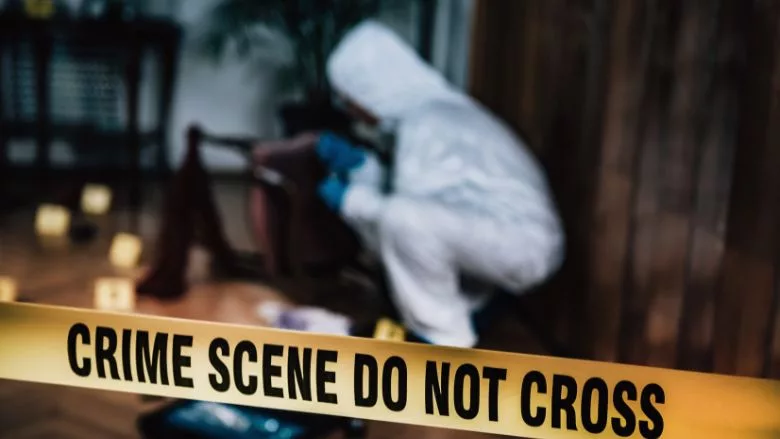
Crime scene cleanup or trauma cleanup involves the remediation of various biohazard materials left behind after events such as traumatic death, unattended death or other trauma-related incidents. If your restoration company manages these losses or is considering adding to your scope of work, you must first understand how highly specialized and demanding the work can be. These services require a methodical and regulated approach that prioritizes both the physical and psychological well-being of the technician as well as the safety of future occupants. It is governed by the standard of care by the ANSI/IICRC S540 Standard. Restoration owners and professionals must first consider all the complexities of trauma remediation, including safety, legal compliance and emotional sensitivity.
The S540 is a consensus-based standard that outlines the proper methods, precautions and documentation required for the safe and effective cleanup of trauma and crime scenes. It was published by the Institute of Inspection Cleaning and Restoration Certification (IICRC) and was developed with restoration experts, medical professionals and legal authorities to ensure a reliable, science-based protocol.
A primary focus for all contractors should be on the cleaning, disinfecting and lawful disposal of biohazardous waste, including blood and bodily fluids, pathological waste, sharps (e.g., needles or broken glass), and contaminated materials such as carpet, drywall and bedding. Failure to follow such standards can not only endanger technicians and occupants but can also result in liability, regulatory penalties or public health risks.
Before any work begins, a site-specific risk assessment should be conducted, which allows for the identification of biohazard levels, safety hazards, and the necessary personal protective equipment (PPE). The assessment includes the identification of bloodborne pathogens and other infectious materials, the evaluation of porous vs. non-porous materials and notes any structural damage. The goal is to define the full scope of work, ensuring the complete removal of hazardous materials while protecting all personnel on site.
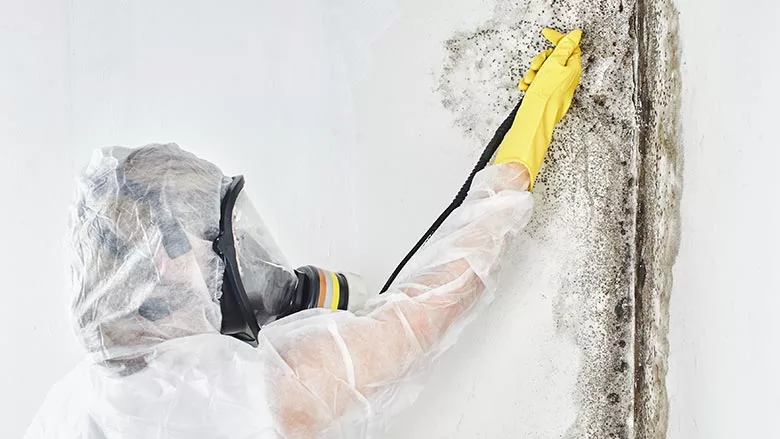
Worker safety is vital, and the S540, OSHA and NIOSH have guidelines for PPE based on risk level, which may include, but are not limited to:
- Disposable coveralls or suits
- Chemical-resistant gloves (double gloving is recommended)
- Face shields or goggles
- Respirators
- Steel-toed boots
All team members must be trained in donning and doffing PPE, along with proper restriction of zone access to avoid infection and potential cross-contamination of space.
Preventing the biological spread and protecting unaffected areas is completed by proper containment, including plastic barriers, HEPA- air filtration with negative pressure zones, the closing of HVAC vents and systems, as well as the use of dedicated equipment that is disinfected or discarded post use. Proper containment is crucial to maintain indoor air quality and reduce cross-contamination.
The remediation process consisting of cleaning, disinfection and verification. First, the cleaning of any organic matter by using detergent or enzymatic cleaners, followed by disinfection. Surfaces are treated with EPA-registered, hospital-grade disinfectants, which are known to kill HIV, HBV, HCV, and MRSA these products must be applied according to their labeled dwell times to ensure efficacy. Porous items like carpets, mattresses or ceiling tiles that cannot be thoroughly cleaned and must be discarded as regulated medical waste.
Looking for quick answers on restoration, remediation and cleaning topics?
Try Ask R&R, our new smart AI search tool.
Ask R&R →
All biohazard waste must be properly bagged, labeled, transported and disposed of following federal, state, and local regulations, and this typically involves the use of red biohazard bags and rigid containers, working with licensed medical waste disposal contractors, and proper documentation of waste volumes and disposal dates. Management must note, failure to follow DOT, OSHA and state-specific rules can result in legal consequences and significant fines.
Once all cleaning and disinfection steps are complete, final verification must be performed. The IICRC recommends a visual inspection, ensuring no visible contamination remains, ATP swab testing to measure residual biological activity and a client walkthrough for transparency and peace of mind. As always, final project documentation should include before/after photos, material disposal logs and technician training records.
Final considerations before beginning any such project: the approach must start with compassion, discretion and professionalism. These losses are often emotionally traumatic situations for clients. Technicians must be trained to communicate clearly and calmly in a manner that respects the finality, privacy and confidentiality of the client. They must avoid judgment and respect the sensitivity of the situation. Lastly, managers should also understand that mental health or grief counseling resources may be required for some employees. Be it their first or one of many, these jobs can be physically and emotionally draining and if appropriate, emotional support should be offered.
Crime scene and trauma cleanup is one of the most challenging and sensitive services in the restoration industry. Companies must follow a strict, step-by-step approach, balancing health and safety with compassion and professionalism. By adhering to these standards, restoration professionals not only protect lives and public health, but they also restore dignity and peace in the aftermath of tragedy.Looking for a reprint of this article?
From high-res PDFs to custom plaques, order your copy today!