Water Damage Restoration: The Human Side of Getting the Client Back to Normal
Restorers who lead with empathy and clarity help clients move from crisis to calm, faster and with trust
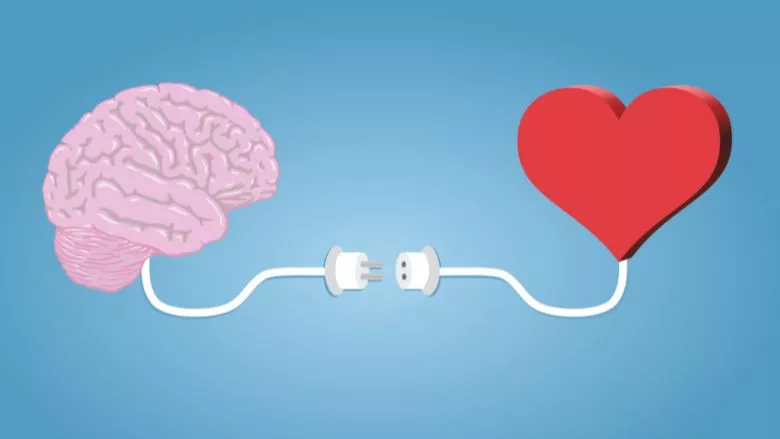
When water intrudes from a burst pipe, a roof leak or a storm, the real concern isn’t the equipment; it’s the individuals. Remembering the family who can’t sleep in their bedrooms, the board members worried about common areas, the property manager juggling tenants and timelines and all are unsure whether filing a claim will help or hurt. In this article, we will briefly explain how restoration professionals can make a reputation as a trusted partner by focusing on what we do, but also on what really matters: helping the client move from “soaked and stressed” to “whole and calm”.
As all restoration project managers understand, the ANSI/IICRC S500 standard classifies water by contamination level. This drives safety measures, cleaning methods and what can be salvaged:
- Category 1: Sanitary source (supply lines).
- Category 2: Significantly contaminated “gray” water.
- Category 3: Grossly contaminated “black” water (sewage, flood).
While we, as restorers, know time and temperature can also change category, most clients don’t. If we take time to explain the process and focus on their main concerns, “Is my home safe? and “Now what do I do?”, we prove ourselves to be knowledgeable and compassionate. These two attitudes can change the client’s outlook, confidence and overall satisfaction in a claim. Compassion and knowledge can also make the process run efficiently, because when the client likes and trusts you as the professional, there is less micro-management and accusatory questions.
When restorers explain the prioritization of safety such as ensuring the electricity is off near standing water, advising clients to avoid suspected contamination and then explaining the need to act quickly, quoting the IICRC and CDC on why drying or demolition within 24–48 hours is critical to prevent mold growth and protect the health of the client and structural integrity of the home, we put the client at ease while building confidence and trust with the client.
As we move on in our discussions, we may need to assist the client in understanding what insurance requires. The documentation of damages by photos and short videos can make a difference for an adjuster. Documentation of the source as well as every affected area will help ensure compensation. Explaining to the client, insurance requires the “policyholder” to take reasonable steps to prevent further damage and explaining the steps, including boarding, tarping, shutting off water and starting initial drying and dehumidification quickly, is part of their responsibility to avoid further damage.
If your client is unsure about filing a claim, explain that in New York, for example, the Department of Financial Services (DFS) advises getting a certified restorer to inspect a loss and then advises them to talk to their insurance professional. Their agent will counsel them on their deductible and the potential long-term impacts of placing a claim. Claims may be recorded in databases used by insurers (often referred to as CLUE) and may have potential burdens ranging from increased rates to non-renewal of policy. If a claim is recommended by their agent, we, as professional restorers, have the certifications and experience to follow the expected metrics for compensation, returning them to pre-loss condition while ensuring little, if any, out-of-pocket costs are incurred.
On the commercial side, we still must build the trust and knowledge factor, but property managers and boards have concerns such as habitability, daily activity and structural stability, as well as clear and timely communication from the restorer. Every hour a hallway, lobby, elevator or occupied unit is out of service, it stresses tenant/management relationships, decreases revenue and disrupts safe and effective operation of the building. The priorities are consistent, quality and timely work, confidentiality regarding the nature and cause and ultimately, minimal disruption to daily life.
Processes, as in residential, follow the ANSI/IICRC standards and include stabilization with extraction, containment and air filtration to make spaces safe and navigable. Segmenting the project into phases to keep critical common areas open and return units to service. Transparent documentation of moisture mapping, daily logs and clear scopes simplifies communication with boards, residents and adjusters. This process also protects the commercial client from potential claims of mishandling and disregard for safety and protection.
Looking for quick answers on restoration, remediation and cleaning topics?
Try Ask R&R, our new smart AI search tool.
Ask R&R →
You will also need to plan for downstream risks such as cross-contamination. Protect elevators and MEP rooms, coordinate closely with plumbing, HVAC and environmental testing partners. Schedule noisy work hours when feasible and provide resident notices, through the building’s contact, with clear “what to expect” timelines.
Always explain to the commercial client, speed with purpose. Understanding microbial and biological amplification and extracting and strategically controlling humidity quickly can be the difference between safely restoring vs costly replacing, and don’t forget to document. Photos and notes, maintaining moisture logs, equipment records and providing daily updates to adjusters and contacts can safeguard the client, the claim disbursement and your compensation.
By concentrating on all aspects of the stakeholder, whether it is a residential or commercial loss, implementing rapid triage with clear safety guidance, identifying the source and any potential risks of exposure, followed up with proper communication giving a sense of normalcy and well-being, will shape your reputation as a trusted restoration partner, solving problems and not creating them.
Looking for a reprint of this article?
From high-res PDFs to custom plaques, order your copy today!