Weekly Hands-on How-To powered by KnowHow
How to Understand the Basics of Disaster Restoration and Water Mitigation
Image provided by KnowHow.
Whether it’s a flooded basement, cleanup after a house fire, or a mold-infested attic, restoration professionals are the first call when things go wrong. Their job? Respond quickly, assess the damage, and take action to stabilize and restore homes and businesses safely.
Among all the services offered in restoration, water damage mitigation is the most common—and often the most urgent. In this how-to, powered by KnowHow, you’ll learn the essentials every new technician should know to get started in disaster restoration, with a special focus on water mitigation: why it matters, how it works, and how to do it safely and effectively.
1. Types of Disaster Restoration
From flooded basements and electrical fires to mold infestation, restorers must be ready to respond to it all. Each type of damage presents unique risks, tools, and mitigation protocols. Below are the most common categories of disaster restoration you’ll encounter on the job—and the core principles behind each one.
Water Damage Restoration
Water damage is the most frequent service in the industry. Whether it’s from burst pipes, flooding, sewage backups, or appliance failures, the process is designed to remove moisture and prevent further damage.
Common Causes:
- Plumbing failures or burst pipes
- Storm or hurricane flooding
- Sewage backups (Category 3 water loss)
- Roof leaks and foundation cracks
- Appliance malfunctions (dishwashers, water heaters)
Key Steps:
- Inspection & Assessment
- Water Extraction
- Drying & Dehumidification
- Cleaning & Sanitization
- Monitoring
- Repairs & Restoration
Fire & Smoke Damage Restoration
Involves removing soot and smoke residues, neutralizing odors, and rebuilding structural components.
Key Services:
- Emergency board-up
- Soot removal
- Odor control
- Structural repairs
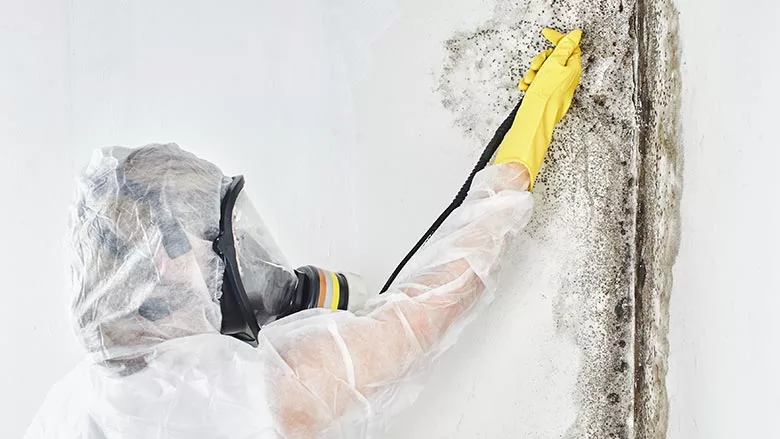
Mold Remediation
Mold remediation eliminates microbial growth caused by excess moisture and improves air quality.
Key Services:
- Moisture source identification
- Containment
- HEPA vacuuming
- Antimicrobial treatment
- Air filtration
Biohazard Cleanup
Restoring areas contaminated by hazardous materials like sewage, trauma scenes, or chemicals.
Looking for quick answers on restoration, remediation and cleaning topics?
Try Ask R&R, our new smart AI search tool.
Ask R&R →
Key Services:
- Proper PPE and containment
- Safe disposal of materials
- Sanitization and deodorization
Contents Cleaning & Restoration
Cleaning and salvaging personal belongings affected by a disaster.
Involves:
- Pack-out and inventory
- Specialized cleaning (ozone, ultrasonic, etc.)
- Storage and return after restoration
2. Why Water Mitigation is Important as a New Technician
Water damage mitigation is where most restoration careers begin. Whether it’s a burst pipe, a flooded basement, or a leaky roof after a storm, water damage is the most common and time-sensitive emergency you’ll face in the field. Water can weaken structures, destroy belongings, and lead to mold—fast. Acting quickly through proper mitigation prevents long-term damage and costly repairs. Here’s why it matters:
- Prevents Structural Damage: Moisture can warp wood, rust metal, and collapse drywall.
- Stops Mold Growth: Moist conditions lead to mold and health hazards.
- Protects Contents: Quick action saves furniture, documents, and electronics.
- Preserves Air Quality: Drying out a space prevents musty, unhealthy conditions.
- Reduces Costs: Preventative action is far cheaper than full remediation.
3. Industry Best Practices for Water Damage Mitigation
Understanding Water Categories & Classes
Before you can begin mitigation, you need to identify what kind of water you’re dealing with and how far it has spread. Categorizing water helps determine the level of contamination, while understanding the class of loss tells you how much material has been affected and what drying techniques are needed.
Categories of Water Loss:
- Category 1 (Clean Water): From supply lines or faucets; poses no immediate health risks.
- Category 2 (Gray Water): Contains contaminants that may cause illness; often from appliances or sump pump failures.
- Category 3 (Black Water): Highly contaminated and hazardous; includes sewage backups, floodwater, or water with chemical exposure.
Classes of Water Loss:
- Class 1: Minimal absorption and evaporation; affects only a small area.
- Class 2: Affects carpeting, pad, and walls; moisture has wicked up less than 24 inches.
- Class 3: Water has saturated the ceiling, walls, insulation, and subfloor—often from overhead water.
- Class 4: Involves materials that require specialty drying, such as hardwood, brick, or plaster.
Equipment Used in Water Damage Restoration
Using the right tools is essential for efficient mitigation. Each piece of equipment plays a role in extracting water, promoting drying, and monitoring moisture levels to prevent further damage or microbial growth.
- Moisture Meters: Measure moisture in materials like drywall, wood, and flooring to track drying progress.
- Air Movers: Speed up evaporation by circulating air across wet surfaces.
- Dehumidifiers: Pull moisture from the air to reduce humidity and assist in drying.
- Extractors: Remove standing water quickly from floors, carpets, and other surfaces.
-
HEPA Systems: Filter airborne particles and improve indoor air quality, especially in contaminated or mold-prone areas.
Safety Considerations
Water mitigation can involve serious safety risks, especially when working with contaminated water, wet electrical systems, or mold-prone environments. Every technician should be trained to recognize these hazards and protect themselves and others on-site.
- Wear PPE: Always wear gloves, respirators, and protective suits when dealing with gray or black water.
- Watch for Hazards: Be aware of electrical shock risks, slippery surfaces, or structural instability.
- Handle Waste Safely: Extracted water and removed materials must be disposed of properly, especially if contaminated.
- Document Everything: Use moisture readings, photos, and job notes to protect your company from liability and support insurance claims.
4. Key Takeaways for New Technicians:
- Learn how to assess and categorize water losses accurately.
- Master the use of drying equipment and proper water extraction techniques.
- Always follow safety protocols and adhere to industry standards like those outlined by the IICRC.
- Document every step of the mitigation process thoroughly for insurance and compliance purposes.
Your Restoration Career Starts with Water Mitigation
Disaster restoration is built on urgency, precision, and care—and water mitigation is often where it all begins. From understanding water categories and classes to using drying equipment effectively and following safety protocols, mastering the fundamentals of mitigation lays the foundation for everything that follows in your restoration career.
And when you're ready to take that expertise even further, KnowHow is here to help. With step-by-step guidance, expert-built training content, and company-specific SOPs available on-site and on demand, KnowHow equips restoration professionals with everything they need to get the job done right—every time.
Ready to build your skills and support your team? Visit tryknowhow.com and see how KnowHow helps you work smarter, train faster, and restore better.Looking for a reprint of this article?
From high-res PDFs to custom plaques, order your copy today!