Understanding Indoor Air Quality: A Refresher for Disaster Restoration Professionals
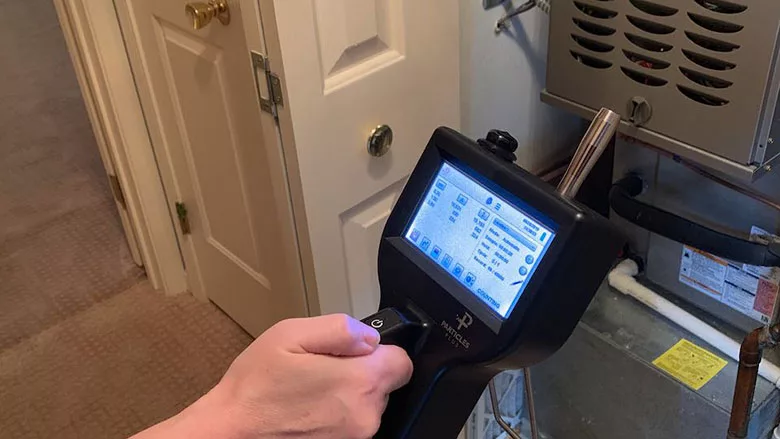
Photo: IAQA
In the disaster restoration industry, indoor air quality (IAQ) plays a crucial role in the safety, comfort and long-term health of building occupants. Whether addressing the aftermath of fires, floods or mold infestations, restoration professionals must prioritize IAQ to effectively restore a space and ensure its habitability. Ultimately, protecting the health of occupants is the purpose of all restoration activities, so it should be top of mind in everything you do.
What is Indoor Air Quality (IAQ)?
Indoor air quality refers to the condition of the air within and around buildings, particularly as it relates to the health and comfort of occupants. The lungs are a portal for ultra-fine particles and chemicals to enter the bloodstream and bypass the body's defenses. Good IAQ is essential for a healthy living or working environment, especially after a disaster when contaminants may be introduced or exacerbated.
Poor IAQ can result from a variety of factors, including:
- Particulate matter: Dust, smoke and debris from fires or construction.
- Biological pollutants: Mold spores, bacteria and viruses.
- Chemical contaminants: Volatile organic compounds (VOCs), cleaning agents and off-gassing materials.
- Moisture: High humidity and water intrusion lead to mold growth and other issues.
Understanding these factors is the first step in identifying and mitigating IAQ challenges.
Key Indoor Air Pollutants in Disaster Scenarios
1. Smoke and Soot:
Following a fire, fine particulate matter and soot can infiltrate building materials, HVAC systems and furnishings, posing respiratory risks and unpleasant odors. Smoke also contains VOCs, some of which are carcinogenic. Therefore, smoke residue not only stains surfaces and creates unpleasant odors but is a health hazard.
2. Mold Spores:
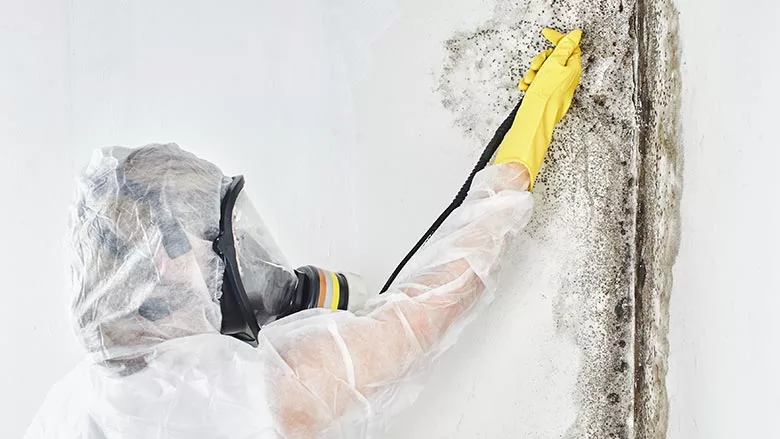
Flooding and water damage often lead to mold growth within 24-48 hours. Mold releases spores into the air, which can trigger allergic reactions, asthma attacks and other health issues.
3. Asbestos and Lead:
In older buildings, disasters such as fires or floods can disturb asbestos-containing materials or lead-based paint, releasing hazardous particles into the air.
Looking for quick answers on restoration, remediation and cleaning topics?
Try Ask R&R, our new smart AI search tool.
Ask R&R →
4. Chemical Contaminants:
Cleaning chemicals, disinfectants and restoration products may release VOCs that affect IAQ if not used properly.
5. Carbon Monoxide and Other Gases:
Improperly ventilated generators, heaters or appliances can produce harmful gases like carbon monoxide, especially during power outages.
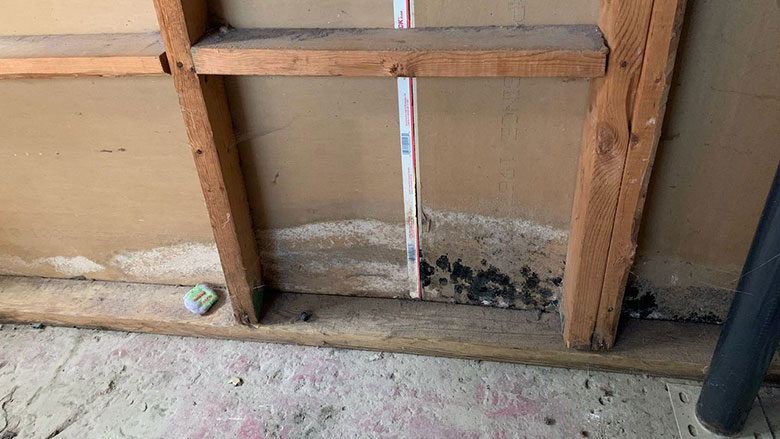
Photo: IAQA
Assessing Indoor Air Quality
IAQ assessment is a critical step in the restoration process. Professionals should use a combination of visual inspections, monitoring devices and laboratory testing to identify and quantify contaminants.
Basic IAQ Assessment Tools:
- Particle counters: Measure levels of particulate matter (e.g., PM2.5 and PM10).
- Moisture meters: Identify water intrusion in various building materials.
- Thermal imaging cameras: Detect thermal anomalies that indicate hidden moisture behind walls and ceilings.
- VOC monitors: Identify volatile organic compound concentrations.
- Mold sampling devices: Collect air or surface samples for laboratory analysis.
Common IAQ Standards and Guidelines:
Restoration professionals should be familiar with established IAQ guidelines, including:
- EPA IAQ Guidelines: Recommendations for managing pollutants and maintaining healthy air.
- OSHA Standards: Workplace air quality requirements for safety.
- ASHRAE Standards (62.1 and 62.2): Ventilation and IAQ standards for commercial and residential buildings.
- IICRC S520 Standards: A comprehensive guide for the remediation of mold-damaged structures and contents.
Improving IAQ During Restoration
Mitigating IAQ issues requires a comprehensive approach tailored to the specific disaster and building conditions. Below are best practices for addressing common IAQ challenges:
1. Source Control
- Containment: Isolate affected areas using plastic sheeting, negative air pressure and air scrubbers to prevent cross-contamination.
- Removal: Safely remove and dispose of contaminated materials such as moldy drywall, soot-covered furniture or asbestos-laden debris.
2. Ventilation
- Increase outdoor air exchange by using exhaust fans, open windows (if conditions allow), or specialized ventilation systems.
- Avoid recirculating contaminated air through HVAC systems without proper filtration.
3. Filtration
- Use high-efficiency particulate air (HEPA) filters in air scrubbers, vacuum cleaners and HVAC systems to capture fine particles.
- Consider activated carbon filters for VOC and odor removal.
4. Dehumidification
- Employ dehumidifiers to reduce indoor humidity levels to below 60%, ideally between 30-50%, to inhibit mold growth.
- Address water leaks or intrusions promptly.
5. Cleaning and Disinfection
- Use appropriate cleaning agents to remove contaminants without introducing excessive VOCs.
- Consider environmentally friendly products with low or no VOCs.
- Clean HVAC components such as ducts, coils and filters to ensure optimal performance.
6. Additional Mitigation Techniques
- Ozone treatment: Effective for odor removal but should only be performed in unoccupied spaces.
- Hydroxyl generators: A safer alternative to ozone for deodorizing and breaking down VOCs in occupied areas.
- UV-C light systems: Installed in HVAC systems to neutralize biological pollutants like mold and bacteria.
Photo: IAQA
Documentation and Communication
Restoration professionals should thoroughly document IAQ conditions and mitigation steps for clients, insurers and regulatory compliance. This includes:
- Pre- and post-restoration air quality reports.
- Photographic evidence of contamination and cleanup.
- Maintenance logs for equipment like air scrubbers and dehumidifiers.
Clear communication with clients is equally important. Explain the health risks associated with poor IAQ, the steps you’re taking to address them, and any necessary precautions for building occupants.
Conclusion
Maintaining indoor air quality is a critical responsibility for disaster restoration professionals. By understanding the sources of IAQ issues, utilizing proper assessment tools and implementing effective mitigation strategies, you can protect both building occupants and your restoration team. As you continue to refine your skills and adapt to emerging challenges, prioritizing IAQ will remain a cornerstone of successful and responsible disaster restoration work.
Learn more about IAQA.
Looking for a reprint of this article?
From high-res PDFs to custom plaques, order your copy today!