Indoor Air Quality Q&A: Mold, Moisture and Ventilation
Tony Abate breaks down the health and environmental risks of poor indoor air quality
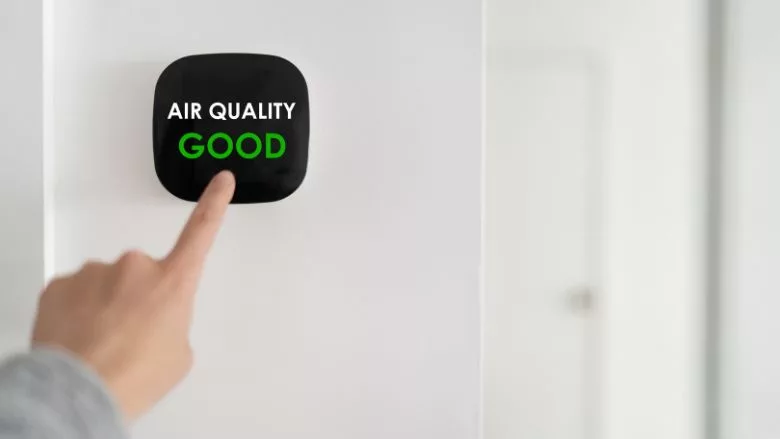
Indoor air quality is more than just a comfort issue; it’s a growing health and environmental concern for our consumers. From mold and moisture to poor ventilation and climate-driven risks, the hidden dangers inside our homes and offices can have serious consequences. In this Q&A with Tony Abate, Vice President and Chief Technology Officer at AtmosAir Solutions, we tackle the causes, consequences and solutions for improving the air we breathe indoors.
Q: Why is indoor air quality such a growing concern in homes and offices today?
A: The average home or office can be a breeding ground for mold, dust, odors, bacteria and airborne viruses due to poor air filtration and ventilation systems.
Q: What are the health risks associated with poor ventilation indoors?
A: Poorly ventilated rooms are incubators for all kinds of airborne illnesses, including viruses, bacteria, and mold, and irritating volatile organic compounds known as VOCs. They all thrive in poorly ventilated rooms. And if someone has allergies or asthma, poor indoor air quality can make them feel even worse.
Q: How does moisture contribute to indoor air quality issues?
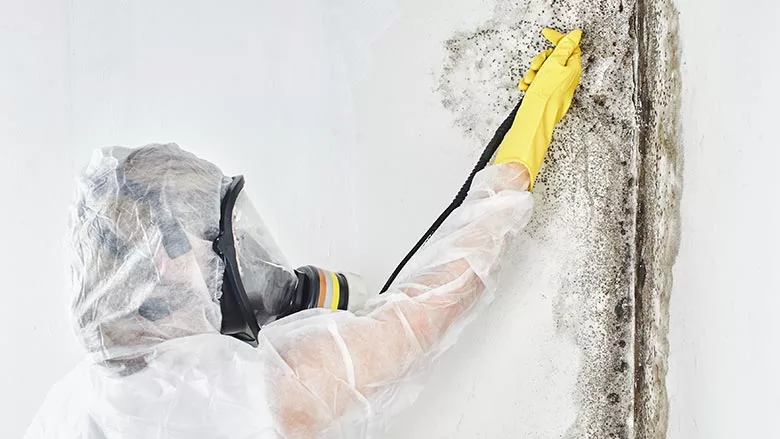
A: Water intrusion can be a big problem. Moisture of any kind whether from leaks, floods or just dampness can lead to mold and airborne mold spores. This can degrade air quality and lead to sickness.
Q: What makes mold particularly dangerous when it grows indoors?
A: These problems are worse indoors, where mold causes indoor air quality problems. Certain molds, such as Stachybotrys and Aspergillus, can produce toxins called mycotoxins under certain conditions. Exposure to mycotoxins can cause more serious illness.
Q: What are the broader environmental risks associated with mold growth?
A: The environmental risks associated with mold arise from its ability to spread rapidly, produce allergens and toxic compounds, and deteriorate man-made materials.
Q: How is climate change influencing mold-related problems?
A: Climate change is altering precipitation patterns and increasing the frequency of extreme weather events, such as floods and hurricanes. Such conditions create ideal environments for mold growth, leading to greater risks of post-disaster infestations in both urban and rural settings. The resulting increase in mold-related damage intensifies the environmental burden of climate change.
Q: What should someone do if they discover mold in their home?
A: If you discover growing mold, the surface must be removed or in some cases encapsulated. This is where you should contact a mold professional to test and investigate your home to find mold growth that may oftentimes be hidden. A good professional will then write up a remediation plan for a remediation contractor to follow to remove and clean and encapsulate molds to ensure no further spread or growth.
The air that we breathe in our homes and offices is often taken for granted, but Tony made it clear that we shouldn’t take it lightly. From the hidden dangers of mold to the inadequate ventilation and the impacts of climate change, our indoor air quality is a complex issue that cannot be taken lightly. Awareness is the first step towards action and by discussing this we’ve done just that. Whether you’re a homeowner, building manager or someone who cares about the spaces we occupy, understanding the risks and the solutions can help create a healthier and safer environment for everyone.
Looking for quick answers on restoration, remediation and cleaning topics?
Try Ask R&R, our new smart AI search tool.
Ask R&R →
Looking for a reprint of this article?
From high-res PDFs to custom plaques, order your copy today!