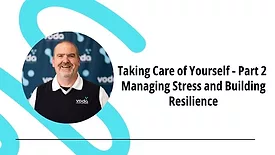
Learn how you as a restoration professional can balance your career growth, personal well-being, and your family all while you navigate the high demand of the restoration industry.
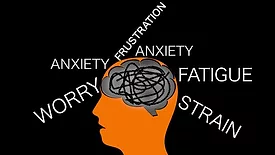
Learn how chronic stress and hurricane pressure can impact you as a restoration leader when it comes to your decision-making and long-term performance.
An industry veteran and cleaning and restoration professional shares his personal lessons on his health, burnout, and building a solid career foundation.
In mold remediation, physical safety often takes the spotlight, but beneath those layers of protection lies another crisis in the mounting psychological toll on the very workers trained to restore safe environments.
As hurricane and fire season approach, it’s crucial to prioritize your mental health and well-being in high stress restoration jobs. Here are a few strategies that help maintain your mental well-being, preparing for emergencies and supporting your team through challenging times.
May is mental health awareness month! Our editor in chief Myldred Ingram shares a few tips on ways companies can check on the mental health of their employees and why this is important not only for this month, but year-round.
The goals of the partnership are to improve the mental health of construction workers through effective suicide prevention education, intervention and postvention strategies; to encourage, equip and empower mental health champions in the workforce; and to introduce collaboration between ABC and AFSP chapters nationwide.