Dealing with hoarder clients is a different ball game. Learn how to navigate insurance issues, emotional support and legal liabilities to manage these complex situations effectively.
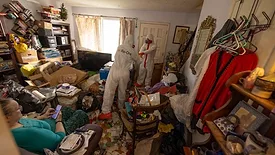
Imagine walking into a hoarding house filled with dust, belongings piled high, and anxious family members or an insurance agent awaiting a miracle transformation. This isn’t just about cleaning; it's about trust, transparency, and high-level communication.
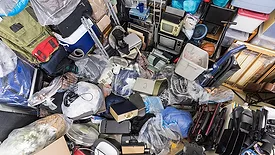
Hoarding situations present serious physical and biological dangers, exacerbated by a lack of industry standards. Discover the critical steps and best practices for safe and effective hoarding cleanups.
Spaulding Decon topped the Entrepreneur Franchise 500 crime-scene cleaning category in 2022. Here, CEO Laura Spaulding shares her journey from humble beginnings as a solo-, woman-led startup, to 20 to 30 new franchises a year and millions of social media followers.
In this column, Laura Spaulding, CEO of Spaulding Decon, shares three of the toughest hoarding cleanup jobs she has worked on in her 15-plus years specializing in crime scene and hoarding cleaning. “The tougher the challenge, the bigger the reward, and I have faced some tough ones,” Spaulding writes.
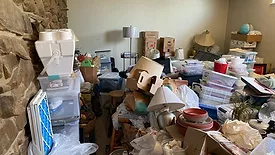
“Hoarding cleanup is not an easy task, and it is best done by restoration professionals who have the expertise and equipment to perform the job efficiently and safely. By no means was this particular case the worst I have seen in my tenure, but the timeline from the property management company was tight, so we needed to get to work quickly and efficiently,” Ben Doebler writes.
Annissa Coy has found over the years that when a hoarding job goes sideways, there are three big mistakes that often are the culprit. “If you avoid these, you will be setting yourself and your client up for success right from the start,” she writes.