Hoarding Cleanup is a Massive Undertaking, but a Franchise System Can Lighten the Load
Franchise systems help hoarding cleanup teams deliver safer, more compassionate service at scale
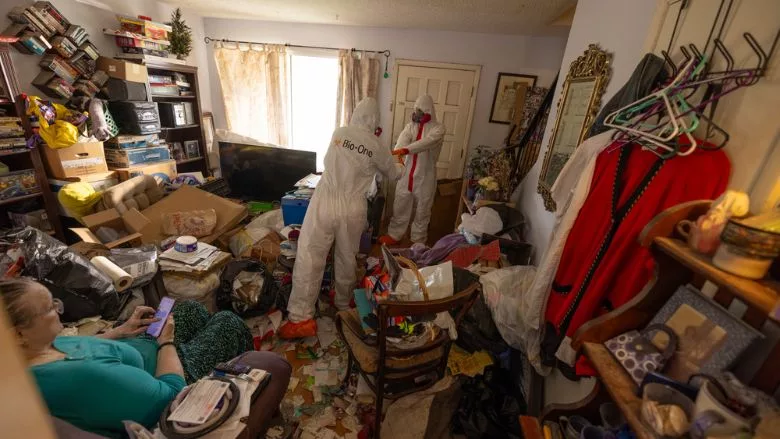
Anyone who works in the remediation industry has doubtless had an encounter with hoarding—a mental health condition that makes it challenging to discard belongings, often resulting in a significant accumulation of unnecessary items. While the condition is widely-known, its prevalence may still come as a shock: According to a report from Harvard Medical School, hoarding disorder affects anywhere from 2% to 6% of the U.S. adult population.
That’s a widespread concern, enough so that many people are bound to know a friend or loved one who’s affected by this condition. Thankfully, there are resources available to help these individuals get the help they need. Mental health clinicians can handle the therapeutic element, while cleanup and remediation services can provide practical support for families looking to mitigate a hoarding site.
In other words, hoarding cleanup services play an important role, helping families who may frankly be overwhelmed by the extent of a loved one’s property accumulation. The work itself can be challenging, but joining a franchise system can provide some of the tools and resources necessary for hoarding cleanup services to thrive.
Hoarding cleanup crews face significant challenges
It’s worth underscoring the ways in which hoarding cleanup services can be highly specialized, distinct from other restoration or remediation services and how companies that focus on hoarding may sometimes encounter big and unexpected challenges.
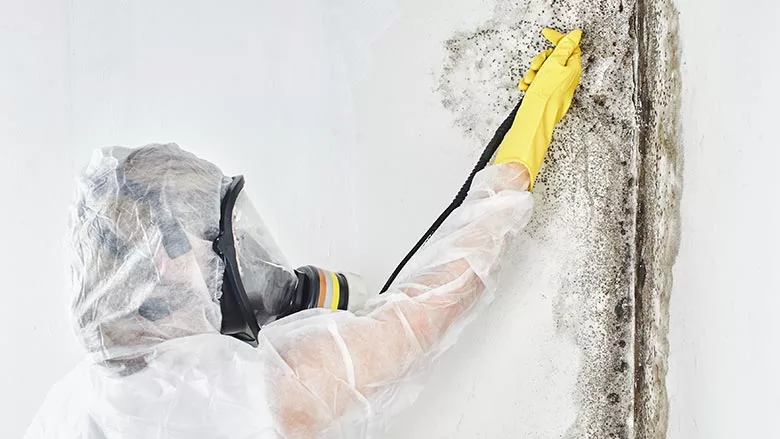
At its core, hoarding cleanup is largely focused on decluttering and debris removal. In addition to mediating large quantities of trash and personal belongings, though, remediation professionals must often contend with biohazardous material, as well—including mold development and animal droppings, both of which can be common in hoarding sites.
The other critical aspect of the job is providing empathy and compassion, remembering that hoarding is a diagnosable mental health disorder and that the process of decluttering can be deeply stressful for the hoarder. Cleanup services must be rendered with sensitivity; removing junk and mediating waste is critical, but offering emotional support is just as urgent.
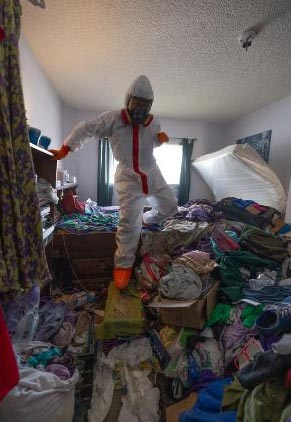
Credit: Bio-One®
How a franchise system enhances client service
While it can be challenging to navigate both the physical rigors of hoarding cleanup as well as the emotional demands of helping people through crisis, working with a franchise system can remove some of the most common obstacles, ultimately positioning hoarding cleanup services to flourish.
Looking for quick answers on restoration, remediation and cleaning topics?
Try Ask R&R, our new smart AI search tool.
Ask R&R →
Franchise systems can support cleanup and remediation businesses in more ways than one, but perhaps the most significant is by improving the quality and consistency of customer care.
First and foremost, franchise systems offer centralized training, ensuring that service providers are well-versed in the technical aspects of their work, including necessary steps to ensure that the uphold regulatory standards of cleanliness and sanitation.
Crucially, franchise-level training can cover not just technical considerations but also some of the “soft skills” needed to provide the necessary level of empathy and support. Even skills like how to handle the initial phone call with gentleness, or how to join hoarders in grieving over items that must be discarded, can be rehearsed in a controlled training environment. This training can deliver the confidence that cleanup providers need to offer their clients a shoulder to cry on, even while going about the tough work of cleaning and decluttering.
In addition to providing extensive training regarding hoarding psychology and safety protocols, a franchise can also draw from its extensive network to equip each remediation specialist with the resources they require—including connections for local support groups or help lines that may be there to guide hoarders toward the care they need.
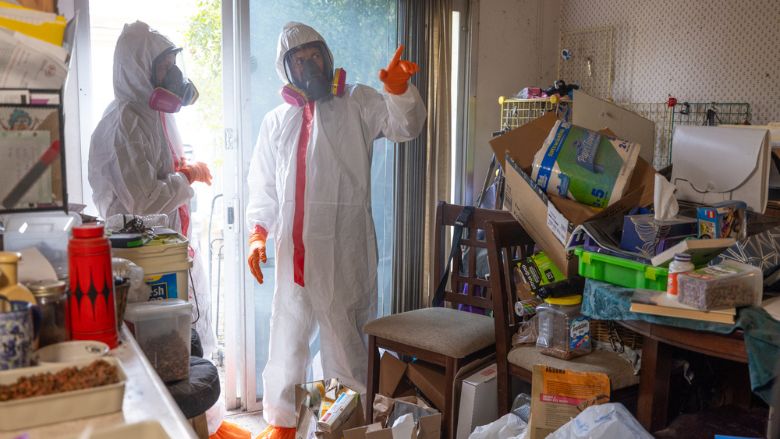
Credit: Bio-One®
Franchising as a path to business growth
The best hoarding cleanup providers are in business to help people, first and foremost—but of course, it’s hard to help people who don’t know how to request assistance.
Joining a franchise system is an effective way to spread the word about hoarding cleanup and remediation services. In fact, franchise systems provide a number of resources that independent owners can seldom match, including:
- Built-in connections with insurers and hoarding support groups, allowing for possible referrals.
- An established brand identity, conveying a sense of trust and professionalism.
- A centralized marketing team that promotes local branches, leaving individual owners to focus on customer care.
You get into hoarding cleanup primarily to help people in need, but it’s also important to ensure a sound business model. Joining a franchise system can help on both fronts, providing the right tools and centralized services to enhance standards of care, all while accelerating business growth.
Looking for a reprint of this article?
From high-res PDFs to custom plaques, order your copy today!