The latest advances in bed bug detection and elimination are giving restoration professionals smarter, safer, and more effective ways to combat infestations
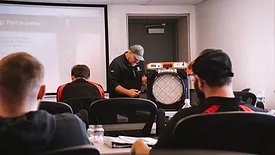
Restoration and remediation professionals now have an arsenal of cutting-edge technologies to outsmart bed bugs. From scent-detecting dogs and IoT monitors to whole-room heat treatments and biopesticides, this article dives into the latest innovations in bed bug control management.
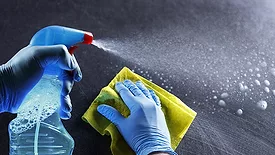
Learn how the “Cleaning for Health” movement is transforming not only homes but lives. From 19th century hygiene breakthroughs to today’s indoor air quality concerns, find out why modern cleaning professionals are becoming trusted health allies. This is bigger than a spotless space, it’s about a safer, healthier home.
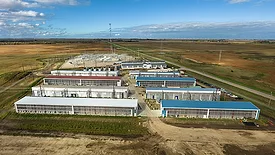
As AI continues to drive growth in data processing, data centers are under extreme pressure to expand while cutting energy use and emissions. From advanced HVAC strategies to air quality monitoring and innovative air cleaning technology.
Restoration work is demanding, and personal protective equipment (PPE) can add to the discomfort. Ignoring safety isn’t an option. Learn about the biggest barriers of PPE usage, from poor fit to budget concerns, and practical solutions to help your technicians stay protected while making PPE more manageable in the field.
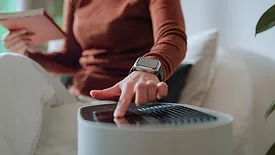
Learn about maintaining controlled environments and how they can significantly enhance indoor air quality, protecting health and wellness by minimizing contamination from various sources.
Discover how AJ and Becky Callegan transformed a life-threatening scare into a mission to improve home building and air quality. In this episode of "Ask The Expert," the husband-and-wife team shares their inspiring story, highlighting the importance of mold awareness and indoor air quality advocacy.
Workplace safety isn’t just about avoiding accidents, it’s about protecting your team from preventable illnesses, too. With millions of sick days lost each year to common viruses, proactive office disinfection is key.
 RSS
RSS