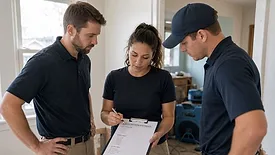
In this week’s Technical Tip Tuesday, John Reasoner of Paul Davis Restoration explains the two CAT preparedness practices that consistently save time and reduce secondary damage during major storm events: disciplined claim distribution and mandatory 3D/360 documentation at every phase of the loss. His approach shows how the right mix of planning and technology protects both crews and claim defensibility.
In this week’s Technical Tip Tuesday, John Reasoner breaks down why the first 10 minutes of a CAT loss are unpredictable, and how technicians can quickly control, stabilize, and protect the team and occupants before any restoration work ever begins.
In this Q&A with Bill Shadid of Aeroseal, we discuss how restoration professionals can integrate passive house principles into post-disaster restoration without sacrificing speed, cost, comfort, or health.
During catastrophic events, the success of restoration isn’t measured by how fast your crews mobilize, but how well the work is documented and can be defended months or even years later.
Carmen Coleman of ServiceMaster explains how technology, data and proactive planning are reshaping the way we respond to CAT events like hurricanes, fires and other major disasters.
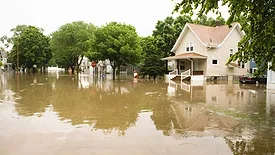
Following the August 9th flood, restoration teams across Wisconsin mobilized rapidly to tend to thousands of losses, showcasing their leadership, preparedness and community impact.
In this episode of Ask The Expert, Stefan Figley of 1-800-Packouts discusses Texas flood recovery, the emotional toll and best practices for future disasters.