How Restoration Teams Can Prepare for Holiday Emergencies and Support Their Teams
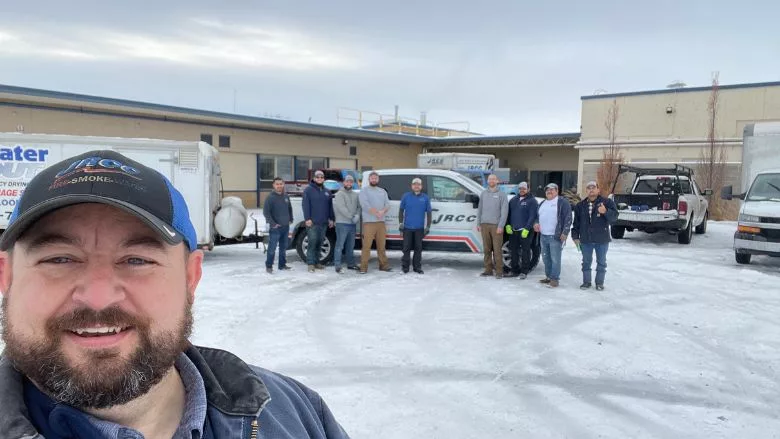
All restoration professionals know that an unexpected surge of work can come up during the holidays, even Christmas Day. That’s why being ready for anything to happen is crucial.
After years of running my own restoration business, I’ve always believed the best leadership comes from showing up for your team the way you want them to show up for you. One main principal guides this: no job is beneath us. If my team had to be out there on a holiday, I was going to be out there on a holiday as well.
But even with these beliefs in place, one Christmas changed the way I think about holiday preparedness entirely.
It was 2022, one of those years where winter showed up all at once. A cold front rolled in right before Christmas, and temperatures dropped fast. When that happens, you know what’s coming: broken pipes, water losses, emergency calls stacking up one after another.
The work started pouring in and by Christmas Eve, I was running jobs for sixteen straight hours. I even left dinner with my family to go deal with emergencies. By the time morning rolled around, I was so exhausted that my kids have a picture of me asleep in a recliner while they opened presents.
And then more calls came in.
At a certain point, it didn’t matter who usually did what. We called everyone. Field staff. Office staff. New hires. Senior techs. A couple people on the team had just had babies, but they came in anyway. If you could work, you worked.
Looking for quick answers on restoration, remediation and cleaning topics?
Try Ask R&R, our new smart AI search tool.
Ask R&R →
I hated pulling people away from their families on Christmas Day. But I was proud of how everyone showed up for each other.
Some jobs could wait, but others couldn’t, especially schools. If you don’t stabilize the building over break, they can’t reopen on time and states have strict rules about days in session. There’s no wiggle room. Those jobs had to be done that day.
As restoration professionals, we all know the toll of late-night calls and missed family moments. We’ve all been in situations where we’re forced to figure out solutions quickly. But being successful on last-minute jobs, especially over the holidays, comes down to one thing: holiday preparation isn’t about the work. It’s about supporting the people who have to do it.
What Holiday Preparedness Really Means
Holiday preparedness is a leadership responsibility. Here are lessons I learned the hard way, so you don’t have to.
1. Know your teams before the season starts
You need a clear list of primary on-call staff, backup teams and anyone else who can be reached in an emergency. I’ve always found that communicating expectations early makes a huge difference. We all make our personal holiday plans weeks in advance, it’s important to mitigate any surprises. Not communicating expectations ahead of time tends to hurt morale more than long hours do.
2. Pay people fairly, and immediately, if called out to work on a holiday
If staff have to leave their families on a holiday, compensate them in the moment. Don’t promise a bonus later. It won’t make the day easy, but it will make it easier.
3. Plan for human needs, not just job needs
On days like that Christmas, what mattered almost as much as labor was having food, energy drinks, warm gear, breaks to call home and time windows to reconnect with family. People can push through a hard day if they feel seen and supported.
Once that’s covered, the next step is making sure your tech is set up to keep projects moving efficiently. Integrating 360° documentation technology into your workflow speeds up project times and helps your team get home to their families sooner during the holiday season.
4. Set a hard stop to the day
When the calls keep coming in, the day can stretch indefinitely. You need to set a predetermined time where the team goes home, no matter what. Otherwise, people burn out before the week is even halfway through because there’s no structure in place to show you recognize they need the rest.
5. Line up outside support before you’re underwater
Here are a few things that are crucial to build relationships for:
- Extra equipment
- Extra supplies
- Temp labor for additional field support
- Specialty experience
If disaster strikes, especially during a holiday, you’re going to want to make sure you have close relationships that can help you get what you need to get the job done.
For years, I had a network of people I could call, contractors I met through teaching, friendly competitors who would lend equipment and mentors who were always willing to help. Those relationships saved us more than once. The truth is that if you wait until you’re overwhelmed, it’s already too late.
6. Identify your leaders
Not everyone on call will have the experience to manage a large loss. You need to know, before the holiday, who can run point when the work gets complicated.
And if you’re short on leadership, you need to decide how you’ll bridge the gap. Sometimes that means pulling in outside help. Sometimes it means partnering with competitors for additional support.
The One Lesson Every Disaster Response Teaches
I’ve dealt with my share of catastrophic events in my state of Washington. And I’ve met plenty of people who handle major-scale disaster response for a living.
Across all those experiences, there’s one theme that never changes: Preparation beats reaction every time.
You can’t control when emergencies will happen. You can’t control if they’ll happen on Christmas. But you can control how ready your team is when the phone rings.
That’s leadership. And during the holidays, your team needs it more than ever.
Looking for a reprint of this article?
From high-res PDFs to custom plaques, order your copy today!