Saharan Dust: Nature’s Hurricane Suppressant
Saharan Dust is suppressing the hurricanes this season, but restoration professionals must stay alert as peak season is here
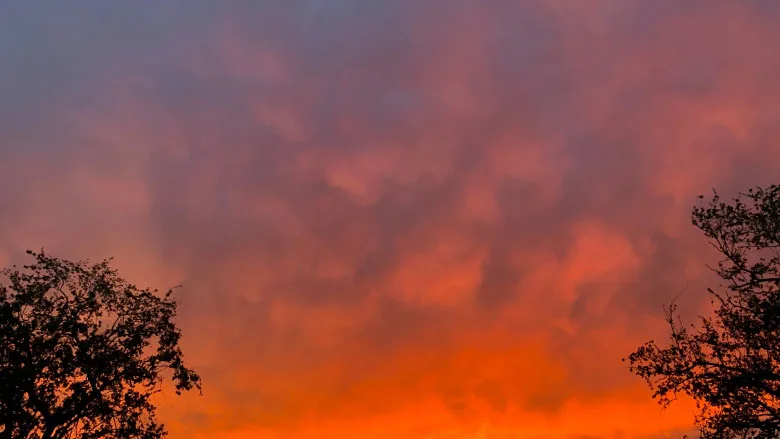
Just a little over three months ago, the 2025 Atlantic hurricane season started and is set to run through November 30. The first named storm was Tropical Storm Andrea on June 23, and since then, we’ve had an additional five storms, with Hurricane Erin a category 4. Of those six, none have made landfall in the US and there are $0 in damages reported.
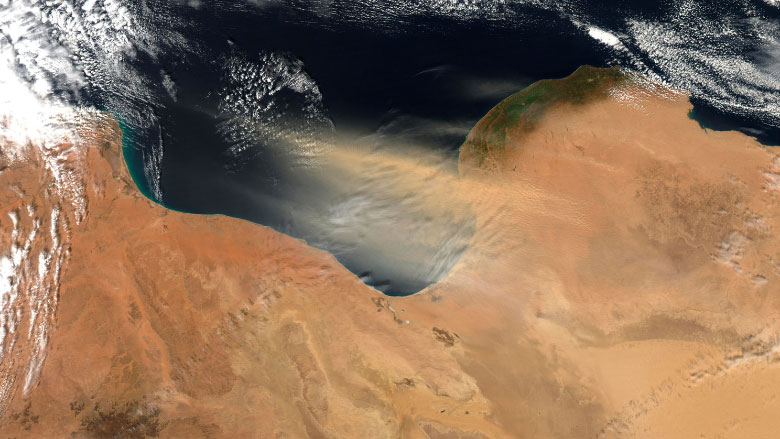
Though we never doubt what hurricane season can and will bring, there is one key factor that is contributing to the “slower” season. That variable is Saharan Dust. This is dry, mineral-rich particles that are lifted from the Sahara Desert and carried across the Atlantic Ocean by strong winds and it forms what we know as the Saharan Air Layer (SAL)1. When we think of dust, it’s what we see day in and day out, you see it, then it’s gone. Well, that isn’t the same case for Saharan Dust. It actually hangs about 5,000 – 20,000 feet above sea level and can stretch, not hundreds, but thousands of miles.
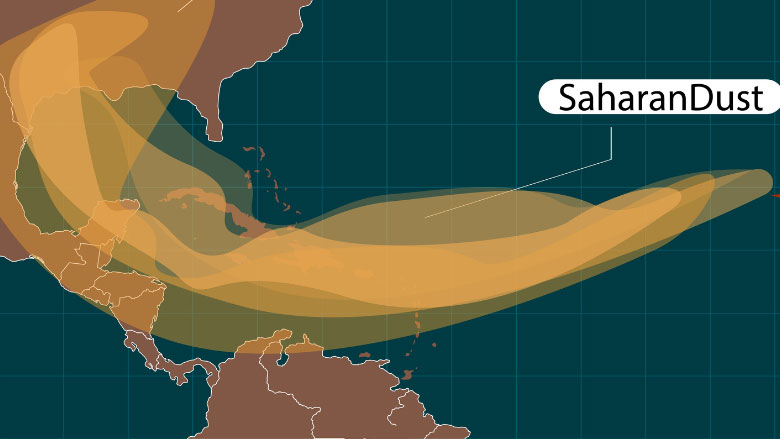
Credit: Smart / iStock / Getty Images Plus
How it Affects Hurricane Season
Saharan Dust can suppress hurricane formation in several ways that include2:
- Dry Air: This reduces the moisture needed to develop a storm.
- Wind Shear: The SAL often brings strong winds that disrupts the vertical structure of storm development.
- Cooling Effect: This dust can reflect sunlight and cause the ocean’s surface to cool slightly, which reduces the energy needed to create a hurricane.
So, what does that mean, one may ask? We’ve had a temporary lull or suppression of hurricanes.
However, forecasters have warned that the season is far from over and that 60% of the activity in this season comes after September 10 and October is often the next peak in our season due to favorably warm waters, and perfect atmospheric conditions. A good friend of mine, Barry Rice, in Florida always tells me, “We don’t pay attention to hurricanes until October!”
Credit: Stocktrek Images / Stocktrek Images
Forecasts and Future Outlook
While Saharan Dust has played a significant role in suppressing early-season hurricane activity, forecasters caution that this lull may not last. According to NOAA’s updated 2025 Atlantic hurricane season forecast, we’re still on track for an above-average season, with 13–18 named storms, 5–9 hurricanes and 2–5 major hurricanes expected3. The peak of hurricane season typically falls around this time in September, and forecasters are closely monitoring tropical waves emerging from the West African coast. These particular waves, once they move beyond the influence of the SAL and encounter warm ocean waters, can rapidly intensify. The National Hurricane Center is currently tracking two such systems, one of which may develop into a tropical depression in the coming days3.
What does this mean for Restoration Professionals?
For restoration professionals, the presence of Saharan Dust offers a temporary reprieve but also a strategic window. The dust’s suppression of storm development allows teams to fine tune their preparedness plans, conduct training and ensure their equipment is ready for deployment. However, it’s crucial that you do not become complacent. As Bryan Norcross, a FOX Weather hurricane specialist, noted, the Saharan Air Layer is not a permanent shield, and its influence can disappear quickly4. Restoration professionals should stay informed through NOAA and NHC updates and be ready to pivot as conditions change. The dust may be nature’s suppressant, but the unpredictability of hurricane season demands vigilance and proactive planning.
Conclusion
Though there is a short window of calm, things can change on the drop of a dime. If that does happen, please make sure you’ve prepared your business, team and yourselves for deployment. The time to capitalize and get your ducks in a row, is NOW. Stay prepared, stay ahead and when it's time to come in and help people on some of their worst days, you’re ready. Stay safe, stay healthy and take care of one another.
Resources:
- NOAA NESDIS – Saharan Air Layer Overview. National Environmental Satellite, Data, and Information Service (NESDIS). (n.d.). The Saharan Air Layer: What is it and why does NOAA track it? NOAA. https://www.nesdis.noaa.gov/news/the-saharan-air-layer-what-it-why-does-noaa-track-it
- AccuWeather – Quiet Peak Season Commentary. AccuWeather Staff. (2025, September 5). Atlantic unusually quiet at hurricane season’s peak, but warm waters to fuel storms soon. AccuWeather. https://www.accuweather.com/en/hurricane/atlantic-unusually-quiet-at-hurricane-seasons-peak-but-warm-waters-to-fuel-storms-soon/1813820
- EarthSky – NOAA Forecast Update. Duensing, R. (2025, August 8). NOAA updates forecast: Above-normal hurricane activity still predicted. EarthSky. https://earthsky.org/earth/noaa-updates-forecast-above-normal-hurricane-activity-still-predicted/
- FOX Weather – August Hurricane Outlook. FOX Weather Staff. (2025, August 1). August hurricane outlook: Weather alert as season enters peak. FOX Weather. https://www.foxweather.com/weather-news/hurricane-august-outlook-weather-alert
Looking for quick answers on restoration, remediation and cleaning topics?
Try Ask R&R, our new smart AI search tool.
Ask R&R →
Looking for a reprint of this article?
From high-res PDFs to custom plaques, order your copy today!