While this article is just a snapshot of the data captured in R&R’s 2021 State of the Industry study, the trends largely continue to be the same. In addition to biggest challenges, third party administrators, spending habits and future predictions, this year we explore the impacts of the COVID-19 pandemic on restoration companies.
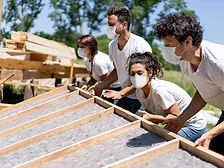
By now, everyone is either resigned to them or tired of them. The “them” is filtering facepieces, masks, scarves, neck gaiters, respirators, and other face coverings.
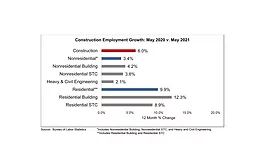
The construction industry lost 20,000 jobs on net in May, according to an Associated Builders and Contractors analysis of data released today by the U.S. Bureau of Labor Statistics.
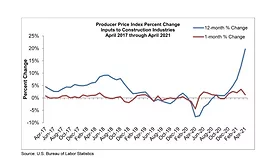
Construction input prices increased 1.3% in April compared to the previous month, according to an Associated Builders and Contractors analysis of U.S. Bureau of Labor Statistics Producer Price Index data released today.
By taking cleaning and disinfection seriously, it helps enable employees and visitors to feel safer while also reinforcing the seriousness with which the organization addresses the health and well-being of all occupants.
Construction industry employment remained unchanged in April, according to an Associated Builders and Contractors analysis of data released today by the U.S. Bureau of Labor Statistics. Over the last year, the industry has added 917,000 jobs, recovering 82.4% of the jobs lost during the first months of the COVID-19 pandemic.
National nonresidential construction spending declined 1.1% in March, according to an Associated Builders and Contractors analysis of data published today by the U.S. Census Bureau. On a seasonally adjusted annualized basis, nonresidential spending totaled $778.5 billion for the month.
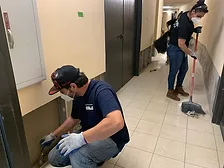
Last year, Paul Davis of Greater St. Paul and Minneapolis worked on a major fire damage restoration project for a senior living (age 55+) condominium association community. In addition to the regular challenges of a large loss fire job – from mitigation through reconstruction - the project presented additional difficulties posed by COVID-19, as the residents were considered high risk.
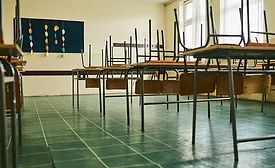
Powered by PYURE Technology, and proven to kill the COVID-19 virus, Odorox machines will operate in the district’s PK-12 classrooms, offices and high-traffic areas.