Articles Tagged with ''customer expectations''


Mold Jobs Without Estimates Converted 36% Worse for Restoration Companies
Operational systems may limit growth in one of restoration’s highest value service categories
Read More

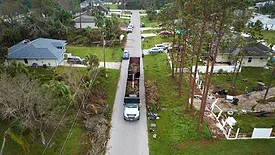
How Restoration Contractors Can Set Better Expectations After a Hurricane
Why timelines, communication, and coordinating with the carrier matter during CAT response
Read More



What You Say in the First 48 Hours Can Make or Break Your Commercial Restoration Job
How onboarding, communication, and business interruption planning drive better results
Read More


Why Hurricane Preparation Matters as Much as Cleanup for Homeowners
Why preparation, documentation, and early action improve the claims process after a hurricane
Read More

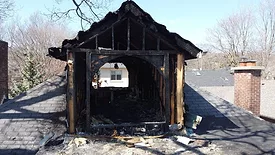
The Real Test of Fire Restoration: Post-Restoration Evaluation Explained
How verification, documentation, and odor evaluation define your success in fire restoration
Read More

Ask the Expert
Why Contents Insurance Claims Break Down and How to Prevent Delays
Industry Experts, David Gavilanes and Dan Konno, explain how communication and documentation improve claims outcomes
Read More

Why Smoke Odors Return After Fire Damage Restoration
Learn and understand deodorization limits, the science of smell, and odor persistence
Read More


Ask the Expert
What Homeowners Should Do After a Flood
Tim Singnysane shares safety tips, warning signs, and guidance for cleaning up after a flood
Read More

How Restorers Become the Call that Homeowners Trust
Research shows why restorers need to close the trust gap with carriers, their customers, and the community
Read More
