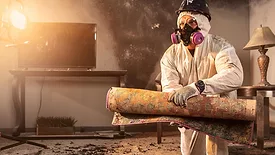
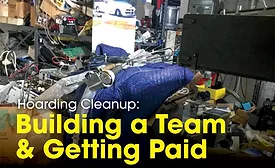
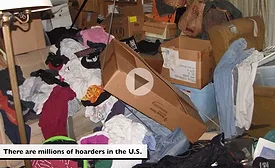
Jeffery Gross shares an overview of hoarding cleanup best practices based on his experience with First Onsite Property Restoration. “The process of cleanup includes several steps: Bulk removal of trash, then cleaning and disinfecting of all surfaces and remaining contents. Then comes extermination and usually some refurbishment like painting or replacement of damaged fixtures,” Gross writes.
On this particular day, Kowalski Construction was called to respond to a unique situation from local law enforcement. Police asked us to secure a home after making forced entry for an unanswered wellness check. To say the scene quickly escalated into a massive operation would be an understatement. Almost immediately, thousands of rats were discovered living both in and out of the home.
When you think about hoarding, there is an array of risks and dangers that come to mind – from cleanliness to injuries to air quality. Unfortunately, there’s another less obvious danger and hidden risk that causes both property damage and a lot of heartache for those involved. Fire.
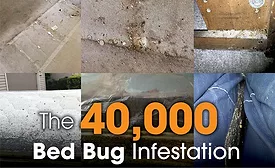
The State of Ohio is consistently among the states with the most bed bug problems. In 2018, Cleveland and Cincinnati were the top two worst cities for bed bugs, based on service requests to pest control company Terminix. A nationwide 2015 study by PestWorld.org found that almost 100 percent of pest control companies had treated bed bugs within the past year; which was up from 10 and 15 years prior.
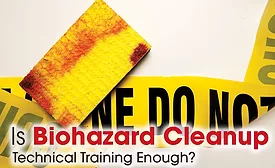
For those of us who have accepted the responsibility of biohazard clean-up, there inevitably comes a time when your team will be called to a grizzly trauma scene. Regardless if there was a crime committed, death from natural causes or suicide, the impact and weight of the experience can be profound.
According to the American Psychiatric Association, hoarding disorders occur in an estimated 2 to 6 percent of the population and often lead to substantial distress and problems functioning.
It’s interesting how many topics related to restoration work come back to the necessity of understanding our clients. When you have a hoarding job, for example, it’s key to gain that person’s trust as quickly as possible.
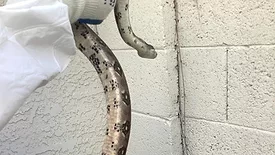
Restoration, in general, is not for the faint of heart. You can probably think of dozens of situations you’ve been in that would make the “average” person squirm. Snakes in a crawl space? Monster spiders in an attic? Sewage up to your shins? Hoards of trash and biohazardous waste? That list just scratches the surface.