Respirator Safety: What Restoration Workers Need to Know
Protecting restorers starts with hazard assessment, respirator selection, fit testing, and proper use
Need to Know
- One restoration job can present several respiratory hazards, so crews can't assume the same respiratory protection will work throughout the entire project.
- Restoration contractors need to understand the exposure and select respiratory protection accordingly.
- Even the right respirator won't provide its intended protection if it doesn't fit properly. Make sure to fit test and perform a seal check before using a respirator in the field.
- Restoration workers need to know how to use the equipment properly and when it needs to be changed, cleaned or replaced.
You’re halfway through a fire restoration job.
The building still smells like smoke. You’ve been moving debris for hours, and there’s another room to clear before the crew can move on.
Your respirator starts to feel uncomfortable. You adjust it. Maybe you pull it away from your face for a minute.
That small adjustment matters more than you might think.
In restoration work, respiratory protection is only effective when the equipment matches the hazard, fits properly, and is used correctly. Knowing when to change it matters, too.
One Job Can Mean Several Respiratory Hazards
Restoration work involves multiple hazards, but let’s take a look at respiratory hazards of restoration tasks. OSHA’s regulations at 1910.134 cover the elements of an OSHA-compliant respiratory protection program. If you need a quick refresher on these, go to https://www.osha.gov/respiratory-protection/general for a respiratory protection best practices list.
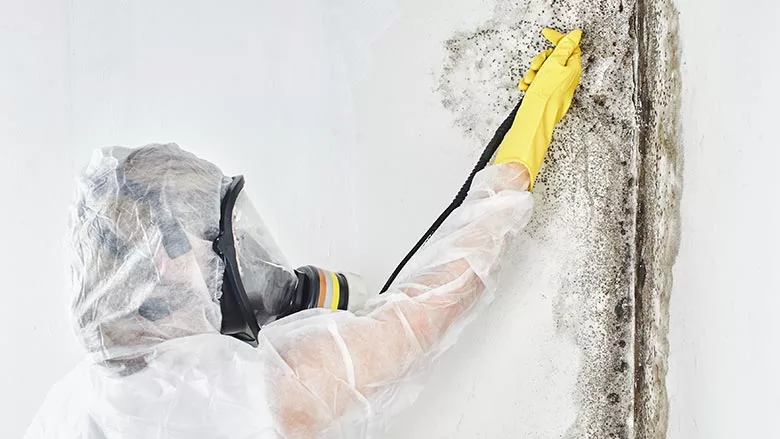
A fire-damaged property can contain soot, ash, and other airborne contaminants. A mold remediation project presents different concerns. Demolition can put additional particles into the air, while cleaning products may introduce gases or vapors.
Looking for quick answers on restoration, remediation and cleaning topics?
Try Ask R&R, our new smart AI search tool.
Ask R&R →
The work can change. So can the hazard.
A respirator that is appropriate for one task may not be appropriate for the next. That’s why respiratory protection should start with understanding what workers may actually encounter, not simply choosing a respirator that is already in the truck.
The first question should always be: What are we protecting our workers from?
The Fire Is Out. The Respiratory Hazards Aren’t.
Fire restoration can be especially complicated because workers may encounter several hazards at once.
Soot and ash can become airborne during demolition and cleanup. Damaged building materials, furnishings and other contents may introduce additional contaminants. Depending on what burned, workers can also encounter dangerous gases or vapors.
That means crews can't assume the same respiratory protection will work throughout the entire project.
The respiratory protection used during debris removal may need to be reassessed when the crew moves into cleaning, demolition, or another phase of the job.
Again, the fire may be out. The respiratory hazards may not be.
An N95 Doesn't Protect You from Everything
This is one area where respiratory protection can get confusing quickly.
An N95 disposable filtering facepiece respirator, for example, is designed for particulate hazards. It should not be treated as protection against gases or vapors simply because it covers the nose and mouth.
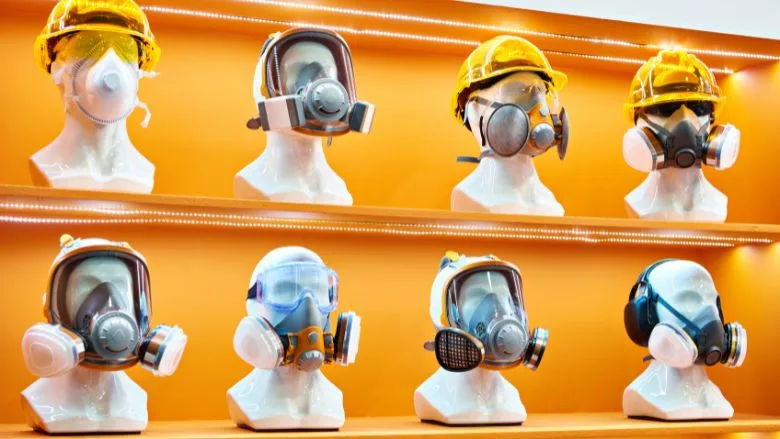
Reusable respirators use cartridges and canisters to absorb specific gases or vapors. In many cases, a “combination filter” includes a gas-absorbing cartridge or canister with a particulate filter cover.
Restoration workers may encounter both gas/vapor and particulate hazards on the same project. Employers need to understand the exposure and select respiratory protection accordingly.
Know When to Change Your Cartridge
Workers shouldn't be expected to decide for themselves which respirator or cartridge is right for an unknown exposure.
When respiratory protection is required, employers need a respiratory protection program that addresses hazard evaluation, respirator selection, medical evaluation, fit testing, training and proper use. That starts with understanding what workers may encounter on the job and selecting respiratory protection based on those hazards. Again, refer to 1910.134.
The worker's job is to understand the protection they've been given, use it correctly and speak up when conditions change.
That includes knowing when a canister or cartridge needs to be changed. There isn't one answer to how long a cartridge lasts. Service life depends on the contaminant, its concentration, the conditions of the job and the type of cartridge being used. Employers should establish a change schedule based on applicable requirements, manufacturer information, and available exposure data.
Workers shouldn't have to guess. And they can’t wait until they smell something to change a cartridge. The absence of an odor does not necessarily mean a cartridge is still providing protection.
If the respirator gets damaged or a worker notices something is wrong with the equipment, work should stop, and the equipment should be evaluated.
Conduct Fit Testing to Make Sure the Respirator Fits
Even the right respirator won't provide its intended protection if it doesn't fit properly.
Tight-fitting respirators depend on a seal against the face. Facial hair, the wrong size, poor positioning or damaged straps can interfere with that seal.
Every face is different. A respirator that fits one worker may not fit another.
When tight-fitting respirators are required, fit testing determines whether a specific make, model, style and size provides an appropriate fit for the individual worker.
Workers should also perform a user seal check each time they put on the respirator.
Fit testing confirms the respirator can fit the worker. The seal check helps confirm it’s positioned correctly.
Proper Use Can Be Hard on the Jobsite
Restoration work is physical, and unpredictable.
Unlike many job sites, restoration crews often don't know exactly what they'll encounter before work begins. The building itself may reveal new hazards as the job progresses.
Crews may be climbing stairs, carrying debris, working in tight spaces or moving between hot and humid environments. In these cases, proper breaks are essential for many reasons, including providing a location with clean, fresh air, where workers can safely remove their respirators.
Employers need to plan for those conditions.
Your Respirator Shouldn't Live in the Back of the Truck
Restoration work is hard on PPE.
Respirators can become dirty, wet, or damaged. Consumable components need to be replaced. Reusable respirators can require cleaning and inspection between uses. And proper storage is key: a respirator tossed into the back of a truck with dirty tools isn't being properly stored for the next job. It's now being exposed to another set of hazards.
Workers need to know what condition their respiratory protection should be in before they start a job.
Disposable respirators should be removed from service when required by manufacturer instructions or when their condition is obviously deteriorated.
Training Matters on the Jobsite
The best respiratory protection program in the world doesn't help much if workers don't understand how to use the equipment properly.
Training should cover more than putting on, or donning, a respirator. OSHA’s requirements at 1910.134(k) cover the training requirements of a respiratory protection program.
Workers should understand what their respirator protects against, what it does not protect against, how to inspect it, how to put it on, how to perform a seal check, and when it needs to be replaced.
They should also know what to do when the job changes.
As mentioned earlier – and it's worth mentioning again – the equipment that made sense during demolition may not be the equipment needed during cleaning. A respirator appropriate for a particulate hazard may not provide protection against a gas or vapor.
Workers need to recognize those differences before they walk into the next room.
Beyond the Respirator
Respiratory protection isn't just about having equipment available.
It's about making sure the equipment matches the hazard, fits the worker and can realistically be used throughout the job.
For restoration companies, that means asking a few basic questions before the work begins:
- What are or might our workers going to be exposed to?
- What respiratory protection is appropriate?
- Does it fit?
- Do workers know how to use it?
- And do we know when it needs to be changed, cleaned or replaced?
Those questions may seem simple. On a restoration job, they make a significant difference.
If a respirator becomes uncomfortable halfway through a job, the answer isn't to pull it away from your face and keep working. It's to stop and figure out why. Maybe the respirator needs attention. Maybe the conditions have changed. Maybe the job requires different protection.
Whatever the reason, don't guess. In restoration work, what you're breathing in can change from one room to the next.
Looking for a reprint of this article?
From high-res PDFs to custom plaques, order your copy today!