Stop Chasing Storms: Turn Restoration Downtime into Recurring Revenue
How restorations companies can stabilize their revenue and maximize their existing assets with commercial floor care
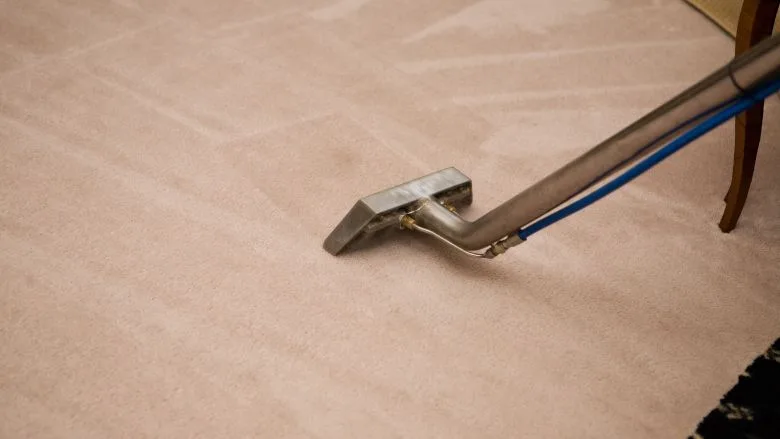
If you’ve been in the restoration game for more than five minutes, you know the drill. You’re either running on pure adrenaline, dragging hoses through a flooded basement at 2:00 AM, or you’re staring at your phone, waiting for the next pipe to burst, the next kitchen fire, or a humid summer spike to bring in the mold calls.
It’s a feast-or-famine lifestyle. As Chris Kushmaul, owner of Restoration 1 of metro Detroit and MilliCare of Ann Arbor points out, "Restoration work can come in waves. Carpet cleaning helps fill in some of those slower periods with work our team is already equipped and trained to do."
But here’s a question I want you to really think about: What are your trucks, your techs, and your expensive assets doing when the weather is nice and the town is dry? If they’re sitting in the parking lot gathering dust, you’re leaving thousands of dollars on the table every single week.
I talk a lot about asset management. Usually, I’m talking about protecting a facility manager’s $50,000 commercial carpet or LVT investment. But today, I want to talk about your assets. You’ve already made the capital investment in high-dollar equipment and IICRC-trained technicians. It's time to leverage those assets to build a stable, highly profitable commercial floor care and upholstery cleaning division that feeds your business when the restoration work slows down.
As Chris puts it:
"Carpet cleaning gives restoration companies like ours a practical way to turn downtime into billable work without moving too far away from what they already know. When the phone is not ringing for storm or water work, carpet cleaning gives our team another way to serve customers and keep the trucks moving."
You Already Have the Engine. Why Not Drive It?
Take a look at your shop right now. You have truck mounts, portable extractors, air movers, and specialized cleaning tools. You have technicians who understand chemistry, psychrometry, and surface structures better than 95% of the standard commercial cleaners out there.
Looking for quick answers on restoration, remediation and cleaning topics?
Try Ask R&R, our new smart AI search tool.
Ask R&R →
Chris highlights how perfectly these worlds align: "Our team understands moisture, drying, cleaning, and customer care. Those skills transfer very well into carpet cleaning. I think restoration companies should look closely at what they already own. In many cases, the equipment that handles the emergency can also help build recurring cleaning revenue."
You’ve already paid for the infrastructure. By adding commercial floor care—whether its carpet maintenance, tile and grout restoration, resilient floor care (LVT/VCT), or commercial upholstery—you aren't taking on a massive new overhead burden. You are simply increasing the utilization rate of the assets you already own.
The Cost of Dead Time
I look at business efficiency in minutes. A technician sitting in your shop during a dry spell costs you money. But a technician out in the field doing an interim commercial carpet cleaning in a suite or cleaning office chairs is paying for themselves and more… That’s turning a fixed labor cost into immediate margin.
The Strategic Shift: Transactional vs. Contractual
Restoration is transactional. A pipe bursts, you fix it, you collect the check, and you hope they never have to call you again. It’s hard to build a predictable annual budget on "hoping things break."
Commercial floor care, on the other hand, is contractual. When you pivot to offering maintenance programs, you transition from a storm-chasing contractor to a trusted asset management partner.
| Feature | Restoration Services | Commercial Floor Care Maintenance |
|---|---|---|
| Revenue Type | Unpredictable / Project-based | Predictable / Recurring monthly or quarterly |
| Client Relationship | Emergency-based (One-off) | Partnership-based (Long-term) |
| Sales Cycle | Instantaneous / High pressure | Consultative / Relationship-driven |
| Asset Utilization | Peak-and-valley spikes | Consistent, scheduled scheduling |
When you secure quarterly carpet maintenance or hard-surface cleaning contracts with local office buildings, schools, retail spaces, or medical clinics, you create a baseline of predictable revenue. You know exactly what’s coming in next month, regardless of the weather.
The Perfect Foot in the Door
Think about the lifetime value of a commercial client. If you only handle their emergency restoration, you might see them once every ten years. But if you’re inside their building every three or six months keeping their textile assets clean, look at what happens:
- You own the relationship: When a pipe does burst or a small fire occurs, who are they going to call? They aren't going to search Google for a restoration company. They’re going to call the team that’s already in their building, knows their facility layout, and has their trust.
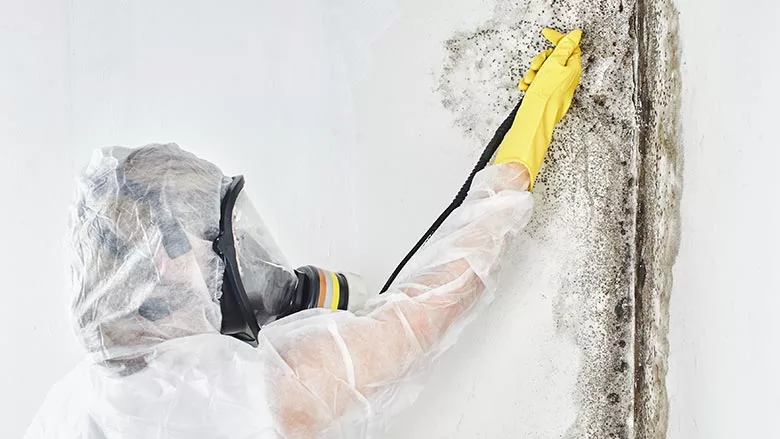
- You spot problems early: Your floor care techs are your eyes on the ground. They notice the slow leak under the breakroom sink or the early signs of mold in a humid basement archive before it becomes a catastrophe—allowing you to upsell a small remediation job before it turns into an insurance nightmare for the owner.
Chris notes that this strategy works beautifully in both directions: "Water mitigation often gets us in the door during a tough situation. Carpet cleaning gives us a way to continue serving that customer after the emergency is over."
The Restoration DNA: Why Your Techs Are Already Elite Floor Care Experts
When transitioning into routine commercial floor care, many owners worry that their crews won't have the eye for detail required for meticulous maintenance. The reality is exactly the opposite: restoration technicians possess a unique DNA that makes them great floor care providers.
1. Diagnostic Skills and Inspection Patience
Restoration estimators and technicians must be incredibly thorough and comprehensive in their post-event prework inspections. Because a missed pocket of moisture or hidden mold can lead to a secondary loss, they are trained to investigate every nook, cranny, and subfloor layer. This daily practice and grueling experience does an extremely good job of teaching them exceptional inspection patience. When applied to routine floor care, these skills allow them to diagnose complex soiling issues, chemistry failures, and hard-surface problems that traditional cleaners completely overlook.
2. A Culture of Compliance
In the restoration world, choosing, mixing, and applying products like disinfectants, biocides, and odor eliminators is heavily bound by regulations, governance, future liability, and strict safety protocols. This strict environment teaches technicians the vital importance of following the manufacturer’s instructions explicitly on every single bottle of product that is opened.
This deep-rooted habit eliminates the "glug method" chemistry mixing that occur more frequently in a standard janitorial way of thinking. Your team won't ruin a pH sensitive resilient floor or wool carpet by using the wrong pH cleaner; they respect chemistry because they've been trained where the stakes are high.
3. Advanced Customer Service and Project Navigation
Perhaps the greatest untapped advantage a restoration technician brings to floor care is their elite customer service training. Your technicians are accustomed to working with customers and homeowners who have been deeply inconvenienced, displaced, or even exposed to a traumatic event. They know how to lead with empathy, communicate clearly, and ease anxiety.
This emotional intelligence helps restoration companies excel when it comes to commercial floor care job planning, contents manipulation, and minimizing disruptions to normal activity. For complex floor care projects, especially those where entire footprints must be cleared of furniture and advanced finishes or coatings require strict cure times before normal use can resume—a restoration tech knows exactly how to navigate the human and logistical elements to keep the client happy.
Chemistry and Process Drive Your Margin
Now, if you’re going to do this, you must do it right. You can’t just throw water at a commercial carpet or slap a cheap floor finish on a resilient floor and call it a day. In the commercial world, cheap never pays off.
Our technicians must lead with their credentials. As Chris points out, "Our technicians are IICRC certified and very capable of handling both residential and commercial carpet cleaning. That training matters, because customers can tell the difference when the work is done right."
If you use low-grade, cheap chemistry, they can leave a sticky, surfactant residue behind that causes rapid re-soiling. Two weeks later, the client’s floor looks dingy again, and you’ve lost the contract.
Furthermore, time is money. If a technician waits 15 minutes for a cheap chemical to react versus 5 minutes for a premium formula, you are paying for 10 minutes of "dead time" per room. Better tools and advanced chemistry make the work move faster, protect the physical health of your technicians, and get the job done right the first time—eliminating the ultimate profit-killer: the do-over.
Action Plan: Bridging the Gap
Don’t wait for the next dry spell to figure this out. Start small, train your people, and get your systems in place today so your trucks stay rolling tomorrow. Chris recalls, "One of the ways we got started was simple... after a water mitigation job was complete and the carpet was dry, we offered to clean it. It was helpful for the customer, and it helped us keep our team productive."
To scale that simple concept into a commercial division, follow these four foundational steps:
1. Cross-Train Your Technicians
Don't assume a water tech automatically knows how to perform a proper low-moisture encapsulation clean or restore an LVT floor. Put them through IICRC Commercial Carpet Maintenance Technician (CCMT) or Resilient Floor Maintenance Technician (RFMT) pathways. Get them comfortable with advanced chemistry.
2. Audit and Organize Your Asset Kit
Identify the equipment that sits idle most often. Dedicate specific packages—like counter-rotating brush (CRB) machines, low-moisture systems, and upholstery tools—so they are ready to roll out without stripping your emergency response vehicles.
3. Target Your Existing Database
You already have a goldmine: your past commercial clients. Reach out to every business property you’ve done restoration work for over the last three years. Let them know you now offer preventative maintenance programs to protect the building assets they just restored.
4. Build the Routine Schedule
Structure your floor care contracts to be flexible. If a major storm hits and you need all hands on deck for emergency mitigation, make sure your maintenance contracts allow a short window for rescheduling. Most commercial clients are happy to adjust a routine cleaning by a few days if they know you are saving another local business from a disaster.
Fill the Valleys
At the end of the day, leveling out the peaks and valleys of the restoration cycle isn't just about survival, it's about smart asset management. You’ve built an incredible engine capable of handling the toughest environments. Don’t let it sit idling in the garage. Connect with your clients, leverage your existing gear, use the right chemistry, and start capturing the predictable, high-margin revenue that’s right under your feet.
Looking for a reprint of this article?
From high-res PDFs to custom plaques, order your copy today!