What Slows Down Contents Insurance Claims and How to Keep Them Moving
Learn how to document, communicate, and properly inventory contents to keep the claims process moving
When a home takes a hit from water, fire, or another loss, everyone involved is trying to do the same thing — get that homeowner back to normal as quickly as possible. You have restoration crews working on the structure, insurance teams reviewing the coverage, and contents teams handling everything inside the home.
From the start, contents is a big part of the equation, and it’s often where the details can slow things down.
Contents restoration teams aren’t just cleaning and restoring items. They’re responsible for tracking, documenting, and accounting for everything that was affected. That initial inventory doesn’t just check a box; it sets the tone for the entire job. It impacts the scope, timelines, and ultimately how smoothly the insurance claim moves forward.
At the end of the day, claims don’t slow down because people aren’t working hard. They slow down when communication breaks down, documentation is unclear, or expectations aren’t aligned.
Where claims typically break down after a loss
Most delays don’t come from one big issue. They come from a series of small disconnects.
One of the biggest is communication. If the homeowner, the adjuster, and the contents team aren’t aligned early, things can get confusing fast. Maybe a project timeline shifts. Maybe items that looked salvageable at first turn out not to be. Without clear updates, those changes can create frustration and slow everything down.
Another common issue is documentation and cost visibility. When personal property insurance claim documentation isn’t clear or complete, it creates more back-and-forth than anyone wants. Adjusters need to understand what was lost, what can be restored, and what it’s going to cost, plain and simple.
Looking for quick answers on restoration, remediation and cleaning topics?
Try Ask R&R, our new smart AI search tool.
Ask R&R →
We’re seeing more teams use tools like 3D scans and digital walkthroughs to bridge that gap. When an adjuster can virtually step into the loss, it answers questions faster and keeps everyone on the same page.
The reality is, contents work is detailed. If you don’t have a clear process behind it, that’s when contents insurance claim delays start to creep in.

Check out this episode of Ask the Expert
Why Contents Insurance Claims Break Down and How to Prevent Delays
Why contents documentation is more complex than structural damage
Structural damage is visible. You can walk into a space and fairly quickly get an idea of what needs to be repaired or replaced.
Contents are different.
You’re dealing with hundreds, or sometimes thousands, of individual items. Each one needs to be identified, evaluated, documented, and tracked. Some items can be restored. Others can’t. And those decisions need to be backed up with clear documentation that meets insurance claim inventory requirements.
That level of detail is where things can either move quickly or get stuck.
If documentation is incomplete or inconsistent, it slows down approvals. If it’s thorough and organized, it gives adjusters what they need to move forward with confidence.
How early inventory and digital tracking speeds approvals
If there’s one place where teams can get ahead of delays, it’s at the beginning.
A strong, detailed inventory early in the process makes a huge difference. It creates clarity around what’s been impacted and sets the expectations for everyone involved.
From there, digital tracking keeps things moving.
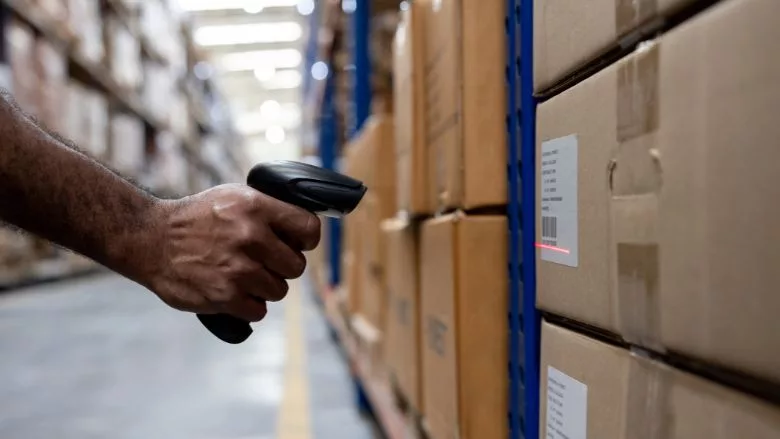
When items are logged, tracked, and updated in real time, it removes a lot of the guesswork. Homeowners can see where their belongings are. Adjusters can review documentation without waiting on updates. Restoration teams can stay organized and accountable throughout the job.
That level of visibility doesn’t just make things easier; it directly reduces delays.
What homeowners and adjusters can do to prevent delays
There’s a lot that happens after a loss that’s outside anyone’s control. But there are a few things that can make a big difference early on.
For homeowners, it starts with understanding their policy. Knowing what’s covered and what their responsibilities are helps avoid surprises down the line.
For adjusters, having clear, consistent documentation from the start makes the entire process more efficient. The more visibility they have on the inventory and condition of items, the easier it is to make decisions and keep things moving.
For both groups, communication is key. When expectations are clear upfront, there’s less room for confusion later.
It’s also important to recognize that not every item is equal in the eyes of the homeowner. Sentimental items like family photos, heirlooms, or pieces that have been passed down for generations may not stand out in terms of value, but they carry a different kind of weight. Calling those out early and making sure they’re properly documented and handled with care can go a long way. In many cases, those are the items homeowners remember most when they look back on the experience.
Faster claims start with better processes
Getting a claim across the finish line isn’t about moving faster; it’s about working smarter.
When contents processes are dialed in with clear inventory, strong documentation, and real-time tracking, it removes a lot of the friction that typically slows claims down.
Everyone benefits from that. Adjusters have what they need. Homeowners stay informed. Restoration teams can do their jobs efficiently.
At the end of the day, this isn’t just about completing a project. It’s about helping people recover.
And when the right processes are in place, that recovery happens a whole lot smoother.
Looking for a reprint of this article?
From high-res PDFs to custom plaques, order your copy today!