6 Mistakes to Avoid When Restoring a Historic Church
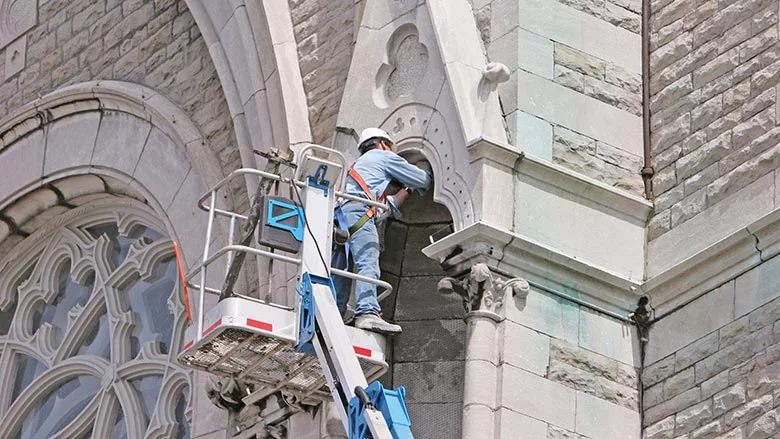
Photo credit: Bouillante / iStock / Getty Images
Restoring a historic church can be a complicated and delicate process. While challenging, the results give the building new life. Leaders must be careful and meticulous when planning this process because missteps can be detrimental.
What mistakes should historic church renovation avoid? Here are six critical oversights that officials should prevent.
1. Removing Historical Aspects
Church restoration may be necessary if some aspects are failing. For instance, a storm could damage parts of the building and cause instabilities. While these repairs are essential, the restoration shouldn’t remove the church’s historical details. Planning and implementation should preserve the building and not remove its most important features.
The restoration should prioritize the church’s original structures as much as possible. Stained glass is an excellent example, as it is visible in worship centers worldwide. Some churches have windows up to 150 years old, connecting the congregation to the past.1 Restoration shouldn’t remove stained glass — instead, it should prioritize refurbishment to keep this essential aspect.
2. Ignoring Modern Upgrades
Maintaining the church’s character during restoration is integral to its identity. However, the leadership shouldn’t ignore opportunities to bring their building into the 21st century. Some upgrades can help the church save money and become more comfortable inside. The planners should prioritize changes that don’t compromise architectural integrity.
One of the first aspects to restore is the historic church’s insulation. Older buildings may have aging and outdated materials in the walls and attic. Replacing it helps the structure retain heating and cooling, resulting in less dependence on its HVAC systems. The Department of Energy says a higher R-value increases a building’s resistance to heat flow.2
3. Miscalculating the Expenses
Restoring a historic church can be expensive and strain an organization’s budget. The team must find original materials and could pay a premium for the labor. With these costs in mind, church leaders should be meticulous when calculating the expenses. Exceeding the budget could be a critical error that causes financial disasters.
Looking for quick answers on restoration, remediation and cleaning topics?
Try Ask R&R, our new smart AI search tool.
Ask R&R →
While the project can be expensive, managing the costs is necessary. Project leaders should craft budgets and leave room for unexpected spending. The team should find ways to save money and reduce the church’s financial expenditures. For instance, church leaders could ask the congregation or community for volunteers or fundraising initiatives.
4. Waiting Too Long to Restore
A significant renovation requires enough time, money and resources to make it happen. While meticulous planning is necessary, the church shouldn’t wait too long to overhaul its building. This mindset especially applies if the congregation has grown and needs more space for worship. Experts say the rule of thumb is to expand when the church reaches 80% of its capacity.3
Restoration should occur when the church decides it’s financially feasible to make such a change. Waiting too long could further deteriorate the building and lead to more damage. Leaders who delay projects risk the congregation’s safety through fallen objects or building collapses. Postponed restoration could also mean more costly repairs if the church incurs extensive damage.
5. Rushing the Planning Process
Planning requires time and deliberation among church leaders to decide the best path forward. While the restoration may be urgent, it’s vital not to rush the planning process because it invites critical mistakes. Revitalization efforts could take a wrong turn by damaging the building further or compromising the construction quality. The church should also be aware of permits and regulations.
Restoration is a project between the church and hired contractors, but permits may be necessary. Without them, the organization could face fines and penalties for going against regulations. Project leaders should research local laws to see if they need a permit. For example, San Francisco churches must obtain permits if they repair more than 25% of the roof.4
6. Not Researching Contractors
The church may hire a contractor to complete the restoration if complicated work is necessary. Some states require a licensed professional to handle electrical jobs or plumbing challenges. The church should thoroughly research contractors before hiring them to ensure they do the work correctly. If not, a shoddy job could ruin the building.
An inexperienced contractor may charge less but not be familiar with historic building preservation. Therefore, churches must find a professional who has navigated old structures and maintained their architectural fabric.
Another critical task is researching whether the contractor has a license. States maintain public records of these licensed professionals and confirm whether they can legally perform services.5
Restoring a Church with Maximum Integrity
Historic churches deserve love and care because of their role in the community. These buildings have significance and architectural value with their unique characteristics. After wear and tear, a church may need restoration to continue comfortable worship services. These projects can be challenging and require extensive planning. Church leaders should prioritize avoiding mistakes to ensure a cost-effective restoration for their congregation.
Resources
- https://www.christianitytoday.com/ct/2022/may-june/stained-glass-evangelical-restoration-history-crisis.html
- https://www.energy.gov/energysaver/insulation
- https://www.keckgroup.com/blog/how-to-update-your-church-sanctuary-while-preserving-history/
- https://www.sf.gov/information/check-if-your-construction-project-needs-permit
- https://consumered.georgia.gov/ask-ed/2023-12-13/how-can-i-verify-contractor-licensed-and-insured
Looking for a reprint of this article?
From high-res PDFs to custom plaques, order your copy today!