Avoid These 12 Common Errors When Restoring a Commercial Kitchen
Avoid costly delays and code violations with these 12 expert tips for commercial kitchen restoration
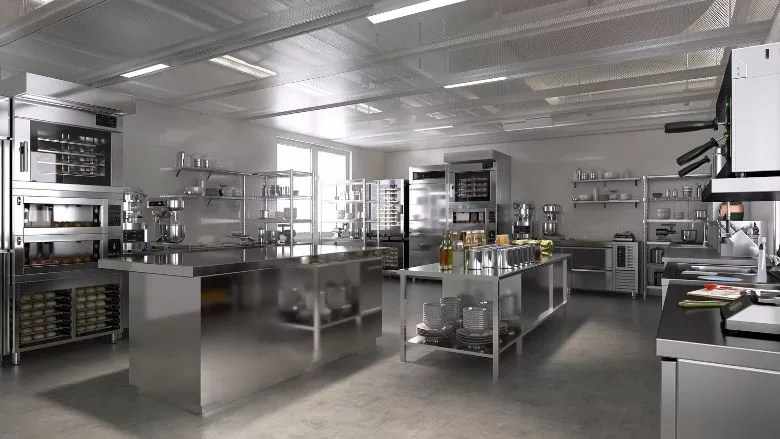
Credit: Suchada Tansirimas / iStock / Getty Images Plus
Restoring a commercial kitchen requires more than just technical skills — it demands precision, compliance and foresight. Small missteps can lead to code violations, safety hazards or costly delays.
These are 12 frequent errors that professionals should avoid, with actionable strategies to ensure a smooth, compliant restoration process.
1. Inadequate Initial Assessment
Failing to assess the full extent of damage can compromise the entire project. Professionals must conduct a comprehensive evaluation that includes moisture mapping, air quality testing and thermal imaging.
Damage may hide behind walls, beneath flooring and around ductwork. By overlooking these areas, challenges like recurring mold growth, lingering odors and structural failure can happen.
2. Poor Client Communication
Failing to maintain clear, ongoing communication with the client can erode trust and derail timelines. Restorers should provide regular updates on progress, budget adjustments and unforeseen setbacks. Documenting conversations and approvals also minimizes liability and sets realistic expectations for project milestones.
3. Ignoring Code Compliance
Overlooking local building and health codes can halt a restoration in the middle of a project or prevent reopening. Commercial kitchens must meet rigorous standards.
Professionals must understand state and municipal requirements, secure permits early and consult with certified professionals when addressing plumbing, electrical or structural updates. Code violations delay inspections and lead to fines.
Looking for quick answers on restoration, remediation and cleaning topics?
Try Ask R&R, our new smart AI search tool.
Ask R&R →
4. Using Inappropriate Materials
Substandard materials may save a quick buck, but these are not cost-effective and become a liability in the long run. Choose food-safe, heat-resistant and water-repellent materials for surfaces like counters, floors and walls.
These high-wear areas are exposed to humidity, cleaning agents and grease. Noncompliant choices risk failing health inspections and may require costly reworking.
5. Rushing the Process
Cutting corners to meet deadlines often backfires. Kitchen revamping should be planned in stages with realistic timelines. Rushing can lead to incomplete drying, missed repairs or poor-quality installations. Taking time to test for moisture levels, verify containment and inspect each phase ensures a more durable, code-compliant result.
6. Lack of Documentation
Documenting the process isn’t about Instagram moments — it’s a compliance step that ensures insurance claims pay, billing is effective and future inspections are successful.
Professionals should maintain a log of before-and-after photos, moisture reading invoices and communication records. This proof supports transparency, helps prove compliance and protects all parties in the event of a dispute.
7. Ignoring Cross-Contamination Risks
Mold, soot and bacteria can spread to unaffected areas without proper containment. Teams must implement negative air pressure systems, seal entry points with plastic sheeting and use HEPA-filtration equipment when treating areas like ventilation, plumbing and ducts.1
All tools and protective gear should be cleaned or disposed of between zones. Cross-contamination violates health codes and extends restoration timelines.
8. Overlooking Plumbing and Electrical Issues
Water and fire damage often compromise plumbing lines, electrical panels and wiring. This can trigger cooking fires, which cause 30% of commercial building fires.2 Compromised systems should be inspected for corrosion, insulation damage and code violations.
Professionals must work with licensed electricians and plumbers to test functionality and bring systems back to specifications before reinstalling appliances or closing walls.
9. Poor Ventilation System Restoration
Grease buildup and mold inside ventilation systems are common in fire- or flood-damaged kitchens. According to fire department standards, contractors must dismantle, clean and sanitize these.3 Replace filters, ducts and fans that don’t pass inspection.
Failing to address HVAC risks can lead to poor air quality and future fire hazards. Focus on horizontal ductwork, which requires specialized cleaning to prevent grease buildup that can become a fire hazard.4
10. Neglecting Equipment Restoration
Focusing only on structural components while overlooking ovens, coolers and prep equipment is a costly oversight. Restoration teams should assess each item’s viability, clean and sanitize food-contact surfaces and test functionality according to the most recent ANSI/IKECA C10 standard.5 When possible, restore instead of replacing. Commercial kitchen equipment is costly, and strategic refurbishment can help businesses resume operations faster.
11. Improper Cleaning and Sanitization
Using household cleaners or generic disinfectants in a commercial kitchen risks code violations and ineffective remediation. Crews must use industry-approved degreasers, mold-specific treatments and food-safe sanitizers. It’s also critical to follow dwell time guidelines, ensure compatibility with surfaces and document cleaning protocols for inspectors.6
12. Overlooking Mold Remediation and Pest Control
Failing to address mold and pest risks can compromise food safety and delay reopening. After water or fire damage, commercial kitchens often develop hidden mold in walls, subflooring or ventilation systems. Professionals must use antimicrobial treatments, remove contaminated materials and verify air quality post-repair with authorized testing.
Additionally, standing water, food residue and structural gaps attract pests like rats, termites and cockroaches, which challenge health codes. A licensed pest control professional should inspect and treat the site to ensure compliance. The threat of mold and pests requires proactive mitigation to avoid costly recontamination.
Prioritizing Precision and Compliance
Each stage of a commercial kitchen restoration demands accuracy, thoroughness and adherence to safety standards. Avoiding these common errors protects the health and safety of future kitchen users, patrons and clients while ensuring a faster and smoother return to operation.
Restoration professionals can deliver results that withstand scrutiny and time with detailed planning, professional oversight and a commitment to code compliance.
Sources:
- https://www.epa.gov/lead/renovation-repair-and-painting-rrp-rule-requires-hepa-vacuums-be-used-cleaning-dust-created
- https://www.usfa.fema.gov/statistics/
- https://www.nyc.gov/site/fdny/business/all-certifications/per-commercialcookingsystem.page
- https://www.exhaustclean.com/blog/horizontal-ductwork/
- https://blog.ansi.org/ansi/ikeca-standards-kitchen-exhaust-cleaning-ansi-c10/
- https://www.fda.gov/food/fda-food-code/food-code-2022
Looking for a reprint of this article?
From high-res PDFs to custom plaques, order your copy today!