Restoration logo
search
cart
facebook twitter linkedin youtube
  • Sign In
  • Create Account
  • Sign Out
  • My Account
Restoration logo
  • NEWS
  • PRODUCTS
    • New Products & Technologies
    • Submit Your Product
    • Interactive Product Spotlights
  • EDUCATION
    • KnowHow.
    • Podcasts
    • Trade Shows & Expos
    • Training & Certification
    • Webinars
    • Whitepapers
  • TOPICS
    • Water Damage
    • Fire & Smoke Damage
    • Mold
    • Contamination
    • Odor
    • Contents
    • Architecture
    • Catastrophe
    • Cleaning
  • BUSINESS
    • Managing Your Business
    • Insurance/Legal Matters
  • BUYER'S GUIDE
  • VIDEOS
    • Ask the Expert
    • TradeTalks
    • Video Channel
  • THE EXPERIENCE
    • Convention & Trade Show
    • R&R Special Issue
  • EMAG
    • eMagazine
    • Archive Issues
    • Contact
    • Advertise
  • SIGN UP
Odor Removal

5 Tips for Natural Odor Control

By Andrea Stenberg
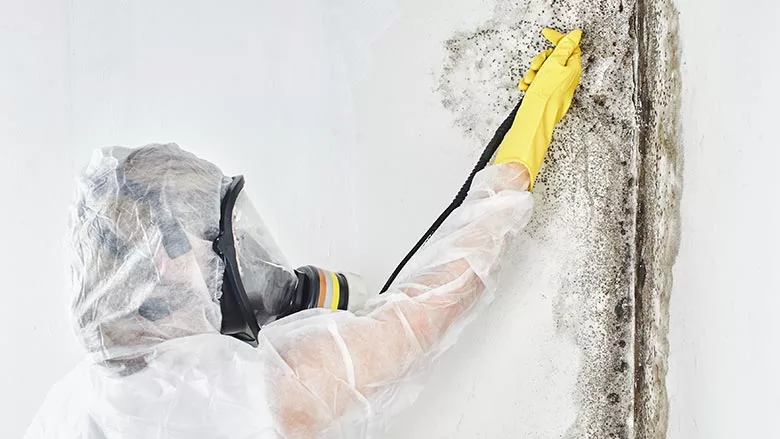
natural odor removal

Photo credit: brunorbs/iStock / Getty Images Plus via Getty Images

November 1, 2021

“You are not using those… chemicals… in my house!” You can bring in your SDS sheets, assure them that your products are environmentally safe and hypoallergenic, but there will always be someone who does not trust your odor control products. What now?

In the world of restoration and remediation of odor, there are dozens of products that are formulated specifically for the malodors that are afflicting the structure and content in various ways. Mold, mildew, burnt meat, urine, feces, smoke, cigarettes, marijuana, wet carpet, rotten food and many other contaminants can produce a variety of less-than-desirable smells. After the source has been removed, there can be some odors that are left lingering behind that need a little extra help to eliminate. 

Depending on the type of damage, most restoration professionals will bring out the ozone generators, hydroxyls, thermal foggers, sealant, paint, odor encapsulants or counteractants, and various other cleaning solutions designed to eliminate the intruding malodors. These are all very effective tools and treatments to use, but what happens when your customer won’t let you use any of them? 

We all have had at least one tricky customer that has severe reactions to unfamiliar smells, or allergies to cleaning solutions. These very particular customers will occasionally even offer their own list of products that you can use in their home. The following methods are not your average restoration practices, but they can make chemical- and odor-sensitive customers very happy with their results while also providing an effective odor-removing remedy.

  • Hydrogen peroxide: Not only is hydrogen peroxide an excellent resource for odor removal, it is also ideal as a cleaning solution. Connect with your local cleaning solution vendor to determine the best potency of hydrogen peroxide to use on your project. Cleaning solutions generally range anywhere from 3% to 32%. The 3% works well for most house cleaning and odor removal without causing any potential surface damage to the structure or content. You can use the hydrogen peroxide on fireplaces, appliances, kitchens, cookware, porcelain, tile, laminate, showers and many other odorous areas of the home. You will want to avoid any fabric or carpet with the peroxide, as it may cause discoloration. Many restoration cleaning specialists use hydrogen peroxide base cleaner for cigarette smoke removal, bio cleanup, and food/protein cleanup. The foaming action works very well for porous surfaces such as brick and stone.   
  • Vinegar: Isn’t that a malodor?! It can be, but a lot of customers with chemical sensitivities will swear by it. The smell of vinegar reminds them of clean and it dissipates very quickly. Vinegar may not always be the most pleasant thing to work with in terms of its own odor, but it is highly effective with removing malodors and cleaning any surface of the home safely. White vinegar and apple cider vinegar are the types of vinegar that are commonly used for cleaning and odor control. Please always handle with gloved hands! Vinegar is acidic and can often irritate the skin with prolonged exposure. 
  • Baking soda: A favorite among the world of household odor control! But also very effective for restoration-related odor remediation and cleaning. Baking soda has a multitude of uses for restoration, odor control being top of the list. Often seen in personal refrigerators or other odor-producing locations, baking soda is an excellent absorbent of lingering odors. Sprinkle some on the carpet or rug, raw wood, crawlspaces, upholstered items, or any other malodorous surfaces for a safe control of odors. Baking soda also can assist in absorbing stains, dissolving dirt, and adding a light scouring element to cleaning. Baking soda is an excellent additive to your restoration laundry operation, boosting your preferred detergent’s grime-fighting and odor-removal process.  
  • Apples: Yes, apples! Apples are amazing odor absorbers; not to be used in large spaces, but in small, confined areas that have lingering odors after source removal and cleaning has been completed. Apples are commonly used in cars and instrument cases to naturally eliminate odors without the use of any chemicals or equipment. Apples can be sliced in half or in quarters and placed inside the car or instrument case for 24 to 48 hours. The result will be a fresh-smelling apple scent in place of malodorous particulates.  
  • Essential oil: Essential oil odor remediation is more common than you think. If you have ever utilized Vaportek, you have used an essential oil-based odor remediation method. Vaportek is a dry, natural way of odor elimination that is very effective in residential homes and office spaces. The customers also have their pick of preferred, comforting odors to combat psychological odors and create a pleasant living/working space. If you do not have Vaportek, you can also utilize essential oils by putting the oil on cotton cloth and placing it around registers or inside oil diffusers around affected areas. Always be sure to involve your customer in the selection of the preferred essential oil! Assume that any odor that you add into the environment could nauseate or irritate your customer. 
There is no one-size-fits-all when it comes to odor remediation. Ozone or thermal fogging may not always be the answer. Keep your mind open and work closely with your local cleaning solution providers to ensure that you are always using the most effective odor remediation techniques.
KEYWORDS: deodorization odor control odor remediation

Share This Story

Looking for a reprint of this article?
From high-res PDFs to custom plaques, order your copy today!


Andrea stenberg headshot

Born in southwest Oregon, Andrea Stenberg moved to the Vancouver, Wash. area in 2017. She has been in restoration since 2014 and in industrial cleaning since 2007. With multiple credentials in her field, Stenberg prides herself in training others with her field knowledge to assist in the growth of her company and team at Paul Davis Restoration of Portland/SW Washington. Stenberg is the 2021 recipient of R&R’s annual Ladder Award.

Recommended Content

JOIN TODAY
To unlock your recommendations.

Already have an account? Sign In

  • mold remediation

    Fighting Mold and Bacteria Damage

    Successful mold remediation can be multidisciplinary,...
    Contamination Restoration & Remediation​
    By: Josh Woolen
  • certifications and licenses for restoration professionals

    Certifications and Licenses Every Restoration Company Needs

    Restoration companies need to make sure they have the...
    Restoration Training/Education
    By: Sharon Elzarat
  • a wall covered in moss and fungus

    Zero Tolerance for Toxic Molds: Essential Steps for Successful Remediation

    Understanding the importance of zero tolerance for toxic...
    Mold Remediation
    By: Michael A. Pinto CSP, SMS, CMP, RTPE, FLS, ERS and Kendra Seymour
You must login or register in order to post a comment.

Report Abusive Comment

Manage My Account
  • eNewsletter
  • Online Registration
  • Subscription Customer Service
  • Manage My Preferences

More Videos

Popular Stories

Ask the Expert - Margin vs. Markup: The Costly Confusion in Restoration

Why Understanding Markup, Margin and Overhead is Critical for Restoration Success

mold spores

Mold and Mental Health: The Dual Crisis Facing Indoor Environmental Remediation Teams

calculating profits

How Poor Documentation and Manual Billing Quietly Erode Restoration Profits

2025 Technician Award winner - Congratulations, Kaylin Glaspie!

Events

January 20, 2026

INTRCONNECT

Dive into the latest trends, innovations, and best practices shaping the future of property insurance and restoration.

April 27, 2026

RIA Convention & Expo

This event empowers professionals through world-class education, powerful networking, and access to cutting-edge tools and services.

View All Submit An Event

Poll

Technology Innovations

Which emerging technology do you believe will have the biggest impact on restoration work in the next 5 years?
View Results Poll Archive

Products

The Cleaning, Restoration, Inspection, and Safety Glossary

The Cleaning, Restoration, Inspection, and Safety Glossary

The Cleaning, Restoration, Inspection, and Safety Glossary.

See More Products
Prepare for CATASTROPHE with R&R!

Related Articles

  • 6 Tips for Odor Control Inspection

    What Is That Smell? 6 Tips for Odor Control Inspection

    See More
  • Odor Removal

    Odor Removal Roundtable: 4 Experts Share Insights

    See More
  • cockroach infestation in kitchen

    Project Management Meets Pest Control: 5 Tips for Problematic Properties

    See More

Related Products

See More Products
  • thumbnail.jpg

    Complete Marketing Manual for Restoration & Mitigation Contractors

  • Upholstery-&-Fabric-cleanin.gif

    Upholstery & Fabric Cleaning

  • deoderantization.jpg

    Comprehensive Deodorization

See More Products

Related Directories

  • Controlled Dehumidification

    Controlled Dehumidification is the premier supplier of large capacity desiccant dehumidification systems for temporary humidity control by remediation contractors. Systems range from 600 to 25,000 CFM Electric and gas reactivation, skid or trailer mounted. We specialize in desiccant dehumidifier refurbishment, repair, desiccant rotor repair, troubleshooting and parts sourcing for DH equipment.
×

Stay ahead of the curve with our eNewsletters.

Get the latest industry updates tailored your way.

JOIN TODAY!
  • RESOURCES
    • Advertise
    • Contact Us
    • Directories
    • Store
    • Want More
    • Submit a Press Release
  • SIGN UP TODAY
    • Create Account
    • eNewsletters
    • Customer Service
    • Manage Preferences
  • SERVICES
    • Reprints
    • Marketing Services
    • Market Research
    • List Rental
    • Survey/Respondent Access
  • STAY CONNECTED
    • LinkedIn
    • Facebook
    • Instagram
    • YouTube
    • X (Twitter)
  • PRIVACY
    • PRIVACY POLICY
    • TERMS & CONDITIONS
    • DO NOT SELL MY PERSONAL INFORMATION
    • PRIVACY REQUEST
    • ACCESSIBILITY

Copyright ©2025. All Rights Reserved BNP Media.

Design, CMS, Hosting & Web Development :: ePublishing