Chasing Storm Work: Should I Stay or Should I Go?
In another life, both Chris (a rock star) and Paul (a writer) must have been restorers. How else could they have nailed what we go through when we go on the road? Talk to any grizzled veteran about Andrew, Gloria, or Katrina, and you will be regaled with tales of never-ending work, months and months of fun times, and millions of dollars of cash being given out by clueless adjusters like Willy Wonka giving out chocolate at his factory. Dig deeper, though, and you will find out some sobering details about jobs going upside-down, adjusters never issuing payments, and lawsuits lasting years (if not decades). You will hear of horrible conditions, unreliable vendors, and endless blight and despair within the communities affected. More recent tales will tell of working in New York City, the capital of the universe, after Superstorm Sandy, sleeping on the street in a car for three weeks, eating only what could be gotten from a can or a seedy street vendor, and working in the basement of a huge Wall Street building with no power, heat or elevators.
That last one was me. Even though I lived only about 20 miles west of Wall Street in central New Jersey, my work schedule left me little time for rest, so I parked myself in my Acura TSX, itself parked on aptly-named Water Street in downtown Manhattan, catching some ZZZ’s in between meetings and work tasks. Start at 6 a.m., done around midnight, only to have to check in on three other buildings in the area before shutting it down for the night. Four hours straight was a God-send, and rarely took place in the first month. Having worked on Wall Street for over 25 years, this was never the nightlife that I had experienced, imagined or planned for. Yet there I was, blanket and canned goods in tow, bumming it on the mean streets of New York.
In 2018, our industry gave all of us two attractive temptresses to chase. Hurricane Florence attacked the Carolina coast and left the area in tatters. Soon after, Hurricane Michael developed out of nowhere and grew to be one of our nation’s most severe storms, decimating a large area of the Florida Panhandle. This spring, the inevitable thaw and flooding cycle triggered major flooding for some communities. With large storms and flooding affecting vast swaths of land, the need for restoration professionals far overtakes the local availability, and the call for restorers to travel from their home base to assist becomes urgent.
As I said before, my “first career” was spent on Wall Street, and much of that time I spent helping clients assess risk and avoid ruin. Now, with 10 years in the restoration industry, I am doing the same thing for my restoration clients. Aside from my everyday coaching of the financial aspects of a business, I spend a lot of time analyzing risk for my clients, especially when it comes to diversifying their business plan. Should they get into construction, or maybe just stick to mitigation? Asbestos, mold and fire? Should I open additional offices?
With hurricanes making a “comeback” of sorts in the continental U.S., my biggest question recently involves mobilizing for the regional CATs. The attraction of big money and countless projects makes the decision difficult to objectively assess. Visions of insurance checks with lots of commas can cloud a rational business decision to the point of disaster for your company.
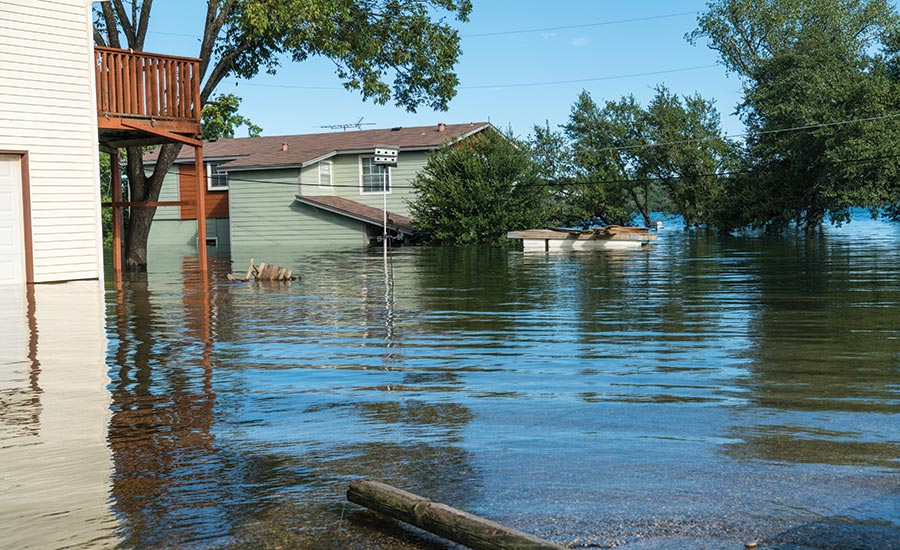
For each of us, the internal tug-of-war starts almost as soon as the Weather Channel sends out Jim Cantore to stand on the beach. Can we go? Should we go? Why shouldn’t we go?
To help answer those questions correctly, let’s answer these ones instead BEFORE hitting the road:
1) IS MY HOME BASE COVERED?
Too many restorers abandon their core market and bring the entire company on the road. No matter how well you do, this is a recipe for disaster. Leaving your regular clients and lead sources for any length of time will undoubtedly force them to find other contractors. They will be less than friendly to you upon your return. Statistics show that even a one week interruption in your marketing and response time will result in three months of lower business. Most companies never survive that downside. Before travelling, make sure that you are staying secure at home.
Looking for quick answers on restoration, remediation and cleaning topics?
Try Ask R&R, our new smart AI search tool.
Ask R&R →
2) DO I HAVE WHAT I NEED?
Road work requires a unique set of skills, equipment, resources, and MONEY. Most of us are not large enough to bring staff, supplies and support sufficient to execute these projects alone. We will need to find local labor, supply houses, resource providers for specialty equipment, and living accommodations. Remember, most of the national companies already have those relationships in place and will be gobbling up the available resources quickly. Where are you going to get them from? Finally, all of this requires capital investment (to coin a Wall Street phrase). Being away from home, you will expend a lot of cash in advance of any work being done. Keep in mind that the money will flow a lot slower on the road as well, which brings me to my next point…
3) CAN I SURVIVE THE TIMELINE?
An efficient restoration company has processes and procedures in place that allow for timely execution of the work, a quick production of the invoice, and collection practices that can get the money into the company within 30-35 days from the date of loss (if you are not meeting this time frame, we need to talk!). If you work on a CAT, you can expect that time frame to stretch out significantly. On commercial losses, you can expect long delays, even with the best paperwork and processes. Even if you are only working on residential losses, your turnaround time from initial contract signing to payment can be months. Think about this: at home, you are “cycling” through your cash every month or so. You spend money to execute the project, and collect the proceeds from your invoice in about a month. On the road, there is no cycling; you are laying out funds to do the work (if you are lucky, the volume of work is higher than a normal home time period), and those funds are not coming back for months. Your need for cash is going to cripple you if you are not prepared and well financed.
4) CAN I DO IT?
Our company is set up to operate in our home region, and I assume that all of our registrations, insurance, and licenses are good for that area. Is any of it valid in the CAT area? What are the local requirements for restoration contractors to operate under? Does our insurance cover us in another state? What about our worker’s comp? Is our business license reciprocal in other states? Do we need to have special licenses for mold or demolition work? Obviously, these are vitally important questions that should be answered BEFORE leaving your home base. How many of us have gotten all of these answers before hitting the road? Probably very few. We run a great risk in doing work in jurisdictions that do not allow us to operate there. Always find out the local ordinances and be prepared to spend some time getting yourself qualified and legal.
If you cannot honestly answer “YES” to all four of these questions, then I would advise against going on the road. Your risks will far outweigh your potential rewards, and there is no fun in this learning curve. In fact, statistics show that more than 80% of companies that responded to Hurricane Katrina were out of business within two years. And no, it was not because they made so much money that they all retired!
How can you get to “YES”? Start with these rules:
- Leave your most competent staff member at home. He/she can take the reins while you are on the road, and your home base can be protected, leaving you the ability to come home to something.
- Develop trusted resources that can travel with you. Many national equipment suppliers will be out of stuff when you need it. Maybe you can partner with a local equipment firm that will let you take their stuff on the road, giving you access and flexibility. The same may apply to labor and consumables, but keep in mind that bringing labor with you will always result in higher out-of-pocket costs for lodging and per-diems that may or may not be reimbursed by your client or their carrier.
- Have a stockpile of cash available, either from your company reserves or from a line of credit. Be careful with that line, however. Don’t use it to go out and buy a shiny 53’ trailer and fill it with brand new equipment, only to come home without a job but with a large financial obligation. Use it ONLY for true job-related costs, and be mindful of your exposure.
- Work all of your legal issues out BEFORE you hit the road. Work with your insurance agent to make sure you are protected with all of your coverages wherever you go. Check with the local governments and get all registrations filled out. Know the laws and steer clear of any work that puts you in jeopardy.
Generally speaking, the rule of thumb on the road is to keep it simple. Don’t do things you would not do at home, simply because the lure of easy money is too great. One of my favorite sayings applies very well in this situation:
Do what you do best, and nothing else!
Finally, after heeding all of this advice, you have made it out there. It’s everything you imagined, and more. When things start spinning in your head, and you’re already spending the proceeds on your new facility back home, please try to remember one last piece of advice. It’s a simple but powerful reminder of what our priorities should always be:
“GET IN, GET OUT, AND GET PAID!”
Looking for a reprint of this article?
From high-res PDFs to custom plaques, order your copy today!