Photo Documentation Plays Critical Role in Restoration Process
A case study on trials, errors, and ultimate success in adoption of photo documentation technology.



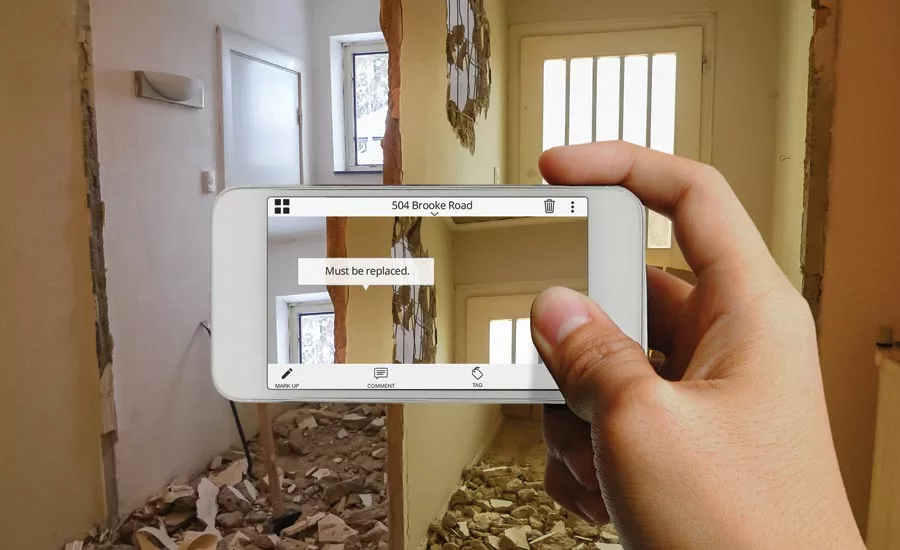
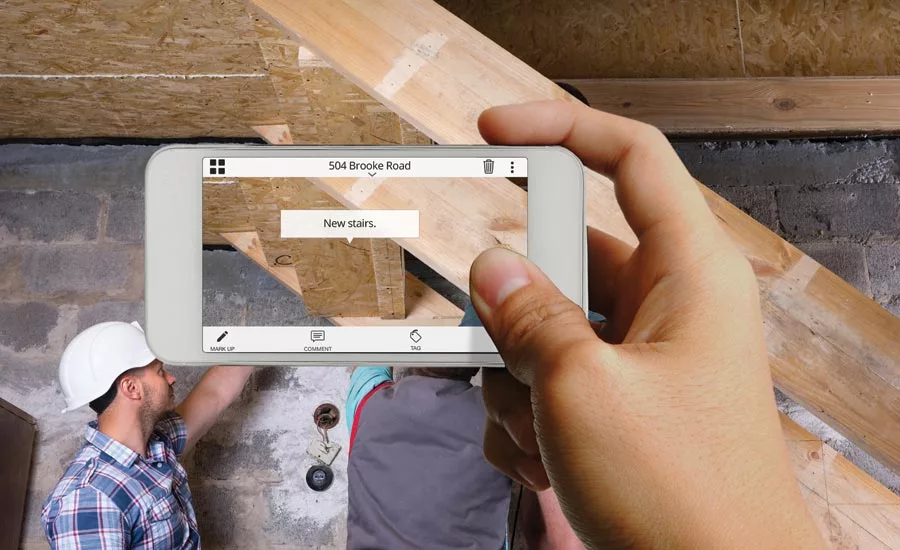
Government and insurance companies mandate it and commercial clients ask for it more and more: photos of the job site, damage, and restoration process. However, restoration companies are facing limitations in productivity and wasted time with inefficient and overly manual and archaic processes. This includes photo documenting work in the field and communicating with the office staff and estimators through paper, email, or worst of all not communicating at all and hoping it was done right the first time.
Out with the Old
The daily flow of a restoration company includes sending technicians out to many different locations to respond to customer calls (including emergencies) or continue working on existing jobs. It can be so easy to get caught up in the actual “work” at the job site, and let the paperwork and photo documentation take a back seat. And when photos are taken, the process of uploading and filing them is cumbersome. The traditional photo documentation process often looks something like this:
- Capture many photos with many devices on many projects.
- Take hand-written notes separately from the photos on what you see.
- Manually upload, name, and file each photo to the right folder once back in the office.
- Waste time waiting for the photos to continue with the estimate or even on searching for the right photos to estimate work, resolve disputes, report to management and the client.
- Forget to import the photos at all, or import and never label, and have a whole new mess on your hands.
We’ve all been there, right? This process slows down workflow and breeds inefficiency, putting project managers and others behind desks for longer periods instead of out in the field where they’re most needed.
In with the New
ATI Restoration, with more than 400 field technicians, superintendents and project managers in the field, recognized their need for an innovative solution that would give time back to getting the job done. They needed a better solution to streamline the process and increase productivity while keeping control and ability to manage the process.
ATI recognized the need for an innovative solution that would save them time and make documenting work in the field easier. They knew any solution they chose needed to be very easy to use in the field and in the office, had to work well with their other systems in use and be cost effective.
However, selecting the right solution or set of solutions was a challenge given all the new mobile and cloud technology out in the market. Initially, they selected a consumer solution for their document management system with flexible and powerful backend management features. On the mobile side, the program tied with Google Photos, which was a free solution and from that perspective a very cost effective solution. Sounds great, right?
Turns out, it wasn’t so great. ATI soon realized consumer solutions are not always appropriate for business use as they rarely provide:
- Actionable data with the photos
- IT management features
- Compatibility with existing business systems
Even though Google Photos enabled them to capture photos and get them out of the field, they still had manual steps and wasted resources on manual refilling to the program, and were still not getting any actionable data with the photos.
They knew it was time for a change, and turned to the restoration world for a solution that would plug the gaps and make it simple to capture photos and data together in the field and make those visuals actionable and easy to find and use later.
Looking for quick answers on restoration, remediation and cleaning topics?
Try Ask R&R, our new smart AI search tool.
Ask R&R →
Choosing a Solution
As with ATI Restoration, the first step in any technology selection and adoption is to define desired outcome and metrics and then look for technology that satisfied them and gives the desired benefits. Any time an organization is considering adopting new technology, there is an important process to follow to ensure key players in the company are on page with the desired outcomes.
- Define objectives and needs first.
- Address all stakeholders specifically.
- Executive leadership is key: Think culture vs. just a process.
- Solutions have to be user-centric – if not easy to do, it won’t get done.
- Automation with technology, if can lead to increased efficiency, productivity and client satisfaction.
After considering the points above, ATI created a wish list for a new technology that would save time, increase productivity, mitigate risk, and reduce costs. Here were four of their must haves:
- More data with the photos.
- More automation, including automated capture of location, date and time data, project association, and ability to easily add comments and markups to the photo.
- More accessible data within the photos for easy keyword search and full context later.
- More compatibility with existing systems, including the consumer option they already had in place, including automated organization and filing.
ATI embraced innovative automation software built specifically with restoration contractors in mind, FotoIN. Field technicians now have an easy-to-use solution that automates the process after capture. Office staff saves time by having the system pull job names and codes directly and automatically from their CRM system, names the photos, and files them to correct folder in their storage repository in near-real time. Automated filing in turn enables project managers to get access to the photos faster and expedite the quote processing time for the client, while also having an easily-manageable and well-organized photo archive for any potential future disputes.
By integrating an effective photo management software program, ATI has:
- Saved thousands of hours a month by using an automated filing and organization system.
- Well-organized and easily-searchable photo archives.
- A solution that works seamlessly with their other systems of record.
- Increased overall productivity and efficiency of the ATI processes and resources.
- Improved customer satisfaction with shortened turnaround times and effective dispute resolution.
ATI continues to build on the great ROI coming from the switch to a fully automated system and demonstrates how investing in deliberate selection and adoption of technology can improve operations, increase productivity and bottom line, and improve both employee and client satisfaction.
Looking for a reprint of this article?
From high-res PDFs to custom plaques, order your copy today!