Restoring Trust in the Insurance Process: How Communication and Documentation Can Bridge the Gap
The homeowners’ insurance process is meant to bring peace of mind. But for many policyholders, it delivers the opposite: confusion, frustration and a lack of clarity at the moment they need support most.
From shopping for policies to navigating a claim, today’s policyholders face a fragmented experience. Some find coverage online by clicking a few buttons. Others are passed between agents, brokers, adjusters and contractors without ever fully understanding what their policy includes. By the time a loss occurs, trust has often already eroded.
As someone who’s worked on both the carrier and contractor sides of the process, I’ve seen how much this breakdown affects everyone involved. Inconsistencies, poor communication and minimal documentation lead to delays, repeat calls, denied claims and stress for every party. At the end of the day, it’s the policyholder who feels it the most.
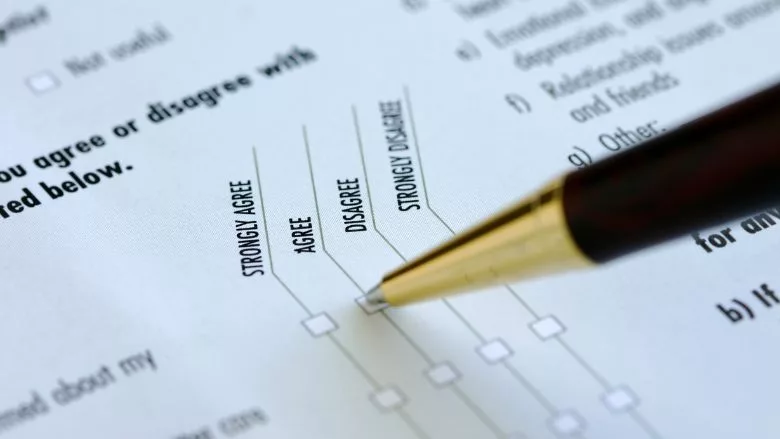
To better understand industry challenges and where the consumer mindset of it is, DocuSketch surveyed 1,000 U.S. adults over the age of 25 about their insurance experiences. The results confirmed what many in the restoration and insurance industries already know: trust is eroding, and communication is at the heart of it.
Where the Trust Gap Begins
One of the clearest findings was that policyholders don’t trust how claims are calculated. More than half of respondents expressed skepticism, and that number jumped even higher among Boomers and Gen X. Even when claims are paid accurately, unclear processes and inconsistent communication leave many people doubting the outcome and the professionals involved.
As an example, a family member of mine recently made a claim on his home and had a secondary claim at a separate property. Each claim was with a different insurance carrier and the experience he encountered was vastly different. One claim was settled relatively quickly, and they could rebuild, while the other dragged out more and he kept having to talk to different people. These scenarios are where a lot of mistrust occurs because how the processes are handled don’t align.
The data also revealed that 45% of Americans don’t trust their broker to act in their best interest. That’s a major red flag for our industry. In the past, the broker was the go-to expert, the person you built a relationship with and trusted to guide you through coverage decisions. Now, that relationship is often replaced by online quote generators and a race to the lowest premium.
Looking for quick answers on restoration, remediation and cleaning topics?
Try Ask R&R, our new smart AI search tool.
Ask R&R →
When price outweighs policy, and education is replaced with automation, it sets the stage for problems down the line. Policyholders don’t understand their coverage. Agents may not take the time to explain it. Restorers are brought in after the fact to deal with the fallout. Everyone’s operating in silos, and the lack of continuity erodes trust before a loss even occurs.
What Restorers Are Up Against
In the restoration world, communication is already challenging. There are typically several handoffs between brokers, adjusters, contractors and homeowners, with little alignment on what was promised, documented or approved. That’s where miscommunication happens. And that’s when restorers end up fielding angry calls or watching projects stall.
I’ve experienced this firsthand. On Father’s Day, we hit a deer in my wife’s vehicle. Her policy was with a different carrier than mine, purchased online with no broker involved. And even though I know this process inside and out, I still found myself asking: “what now?” If I felt that way, I can only imagine how a typical policyholder who isn’t familiar with the claims process would feel.
And that’s where I see the opportunity for restoration professionals to step in. By clearly communicating the work being done and supporting homeowners through a stressful process, restorers can become a steady, trusted presence.
Documentation as the Foundation of Trust
There’s a saying in the field: if it isn’t documented, it didn’t happen. That’s especially true in insurance. When a claim is filed and work begins, the only thing tying all parties together is the documentation. Without it, everything from scoping to approvals and payments takes longer.
But when everyone has access to the same clear visuals, trust builds faster. Restoration professionals can move forward with confidence, knowing the documentation supports their scope of work. Policyholders feel more informed and less overwhelmed. Adjusters can process claims faster, without back-and-forth. Documentation tools, especially those that capture high-resolution images, timestamps and room-by-room notes, help bridge the gap between expectations and outcomes.
Education Can’t Be an Afterthought
In many cases, policyholders don’t fully understand their coverage until they need to use it. That’s a real problem, and it’s something brokers, agents and restorers can all help fix. It starts with slowing down and making education a priority on the front end.
When professionals take the time to walk homeowners through their policy, answer questions and explain the restoration process before a crisis hits, the difference is noticeable. There is less panic, fewer disputes and faster resolutions. In my experience, it’s also where strong, lasting relationships begin.
The same goes for restoration teams. Documenting a home’s condition during regular inspections or initial walkthroughs can make the recovery process far more efficient. It’s about building a foundation of knowledge and trust before emotions are high, and timelines are tight.
Restorers Can Lead the Way
Restoration professionals are often the first on site after disaster strikes. That means they’re in a unique position to reset expectations, clarify the process and rebuild trust.
At the end of the day, the person who suffers most from a breakdown in communication is the policyholder. But restoration professionals have an opportunity to change that. By documenting clearly, setting expectations early and working in lockstep with brokers and carriers, restorers can help to bridge the trust gap and build lasting relationships with both clients and industry partners.
It doesn’t require a complete overhaul. Often, it just takes slowing down, prioritizing education up front and making communication a consistent priority. The result is faster claims, fewer conflicts and a reputation for reliability when it matters most.
Looking for a reprint of this article?
From high-res PDFs to custom plaques, order your copy today!