Restoration logo
search
cart
facebook twitter linkedin youtube
  • Sign In
  • Create Account
  • Sign Out
  • My Account
Restoration logo
  • NEWS
  • PRODUCTS
    • New Products & Technologies
    • Submit Your Product
    • Interactive Product Spotlights
  • EDUCATION
    • KnowHow.
    • Podcasts
    • Trade Shows & Expos
    • Training & Certification
    • Webinars
    • Whitepapers
  • TOPICS
    • Water Damage
    • Fire & Smoke Damage
    • Mold
    • Contamination
    • Odor
    • Contents
    • Architecture
    • Catastrophe
    • Cleaning
  • BUSINESS
    • Managing Your Business
    • Insurance/Legal Matters
  • BUYER'S GUIDE
  • VIDEOS
    • Ask the Expert
    • TradeTalks
    • Video Channel
  • THE EXPERIENCE
    • Convention & Trade Show
    • R&R Special Issue
  • EMAG
    • eMagazine
    • Archive Issues
    • Contact
    • Advertise
  • SIGN UP
Water Damage RestorationFire and Smoke Damage RestorationMold RemediationContamination Restoration & Remediation​Restoration Training/Education

Priority #1: Job Safety

A Quick Review of Protocols

By Dan Bernazzani
July 28, 2015
Safety should always be at the front of our minds on any job – from biohazard cleanup to fire restoration. But the truth is, once our mind is focused on the job at hand, it’s easy to forget simple ways to keep ourselves and our team safe. 
 
OSHA, or the Occupational Safety and Health Administration, was established in 1971 to help ensure employees have a workplace free from recognized hazards. While OSHA does help with safety, no one agency can be responsible for the safety of everyone every day. It’s no secret safety issues increase following a fire, flood or other disaster. So it’s up to restoration contractors and technicians to understand the risks and be trained to handle them whether it be high levels of bacteria in a flooded home, or mold on a basement wall.
 
Basic Safety Risks 
 
Here are some safety risks to consider specifically related to restoration and remediation work, and very simple safety tips to keep in mind: PPEs
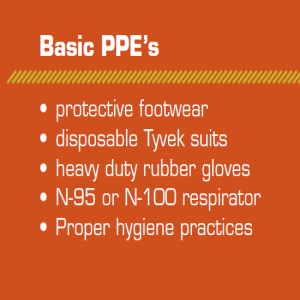
  • Structural integrity issues caused by fire or flood damage -- don’t walk on surfaces that are not stable.
  • Possible exposures from toxic chemical substances generated during a fire or in flood water -- wear rubber boots and gloves.
  • A variety of sharp metal objects, razor blades, jagged edges – use care when handling and clean any cuts or wounds.
  • Breathing dust containing asbestos or other toxic materials – wear proper filtration masks.
  • Eye injuries from flying debris, dust, contaminated water and cleaning chemicals – wear safety goggles.
  • Carbon monoxide from propane or gas fired generators or other equipment – do not work in these areas.
  • Ladders – avoid electrical wires, position at a safe angle; don’t place on unstable surfaces.
  • Chain saws and other power tools– follow manufacturer’s instructions and don’t overreach.
  • Trucks or other heavy equipment backing up or being moved – always be alert on the job.
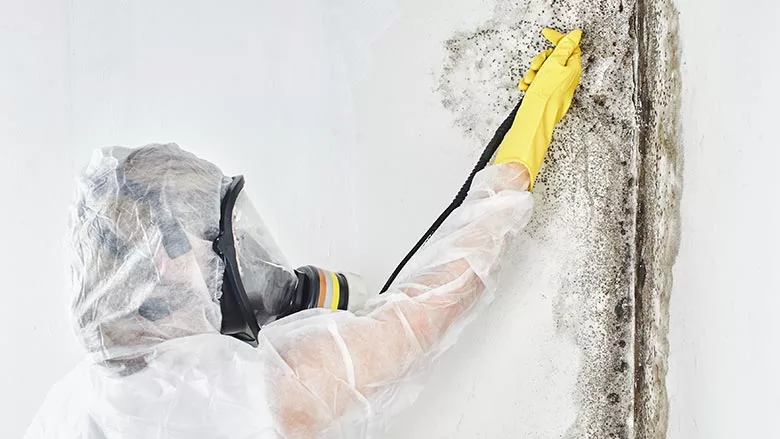
  • Remediating death scenes (may include blood or bodily fluids) – use gloves and other PPE (personal protection equipment) like hazmat suits.
Beyond PPE’s
 
Now, let’s dive a little deeper. Workers must avoid exposures to microbial contamination and chemicals via skin contact, inhalation, and ingestion. This requires the use of PPE’s and good personal hygiene. Washing hands often and not eating in areas where work is being performed are two simple practices that should not be overlooked. 
 
Even with the proper PPE’s, physical and emotional stress can take a toll. Pace yourself and take frequent breaks. Keep a watchful eye on those helping with cleanup and be vigilant of your surroundings. Drink plenty of water in order to stay hydrated. Seek medical attention if your body temperature exceeds 103
degrees Fahrenheit, you experience dizziness or nausea or you have other health concerns. Talk to your primary care physician about tetanus or other vaccinations you may need.
 
Handling Chemicals
 
Technicians should also be trained to select and use appropriate cleaning chemicals, disinfectants and protectors. For example, bleach, while readily available and inexpensive, is a caustic and hazardous chemical. It can cause harm to human skin and mucus membranes, is corrosive to metals, is readily inactivated by organic matter, produces irritating fumes, and can generate deadly chlorine gas or form explosive compounds if inadvertently mixed with ammonia or ammonia-containing products. The American Association of Poison Control Centers reported in 2004 that there were over 57,000 exposures, major or minor, reported from bleach across the United States. When using any chemical, care should also be taken to allow adequate dwell time for EPA registered disinfectants. All EPA labeled directions must be followed. Moreover, using a chemical that may be “safer” and less toxic may not be strong enough to inactivate target organisms.
 
There is no doubt the most efficient method to stay safe is to constantly be aware of your work area surroundings and follow OSHA and industry guidelines. Safety is everybody’s job.
 
Additional Resources
 
Going beyond those very basic rules of worksite safety, following industry guidelines such as S500 Standard and Reference Guide for Professional Water Damage Restoration, the S520 Standard and Reference Guide for Professional Mold Remediation, and the NIDR Fire Guidelines, provide additional, more specific
knowledge for various restoration and remediation situations.
 
Plus, OSHA, the EPA and organizations like the American Red Cross and FEMA are excellent resources and their websites provide guidance free of charge.
KEYWORDS: biohazard cleanup contractor safety flood damage restoration mold remediation OSHA

Share This Story

Looking for a reprint of this article?
From high-res PDFs to custom plaques, order your copy today!


Dan Bernazzani PhD is Founder and President of Flood Safe Habitats. He is an indoor environmental professional whose credentials in the field date back to the 1980’s. His interests and areas of research are primarily in effectively restoring wet buildings and how mold and other microorganisms affect the built environment. The mission of the Flood Safe Habitats is to identify and inform volunteers and flood victims on the procedural standard of care that establishes and maintains the health and safety of workers and occupants in flooded habitats.

Recommended Content

JOIN TODAY
To unlock your recommendations.

Already have an account? Sign In

  • mold remediation

    Fighting Mold and Bacteria Damage

    Successful mold remediation can be multidisciplinary,...
    Cleaning and Sanitation
    By: Josh Woolen
  • certifications and licenses for restoration professionals

    Certifications and Licenses Every Restoration Company Needs

    Restoration companies need to make sure they have the...
    Restoration Training/Education
    By: Sharon Elzarat
  • a wall covered in moss and fungus

    Zero Tolerance for Toxic Molds: Essential Steps for Successful Remediation

    Understanding the importance of zero tolerance for toxic...
    Mold Remediation
    By: Michael A. Pinto CSP, SMS, CMP, RTPE, FLS, ERS and Kendra Seymour
You must login or register in order to post a comment.

Report Abusive Comment

Manage My Account
  • eNewsletter
  • Online Registration
  • Subscription Customer Service
  • Manage My Preferences

More Videos

Popular Stories

Ask the Expert - Inside the Cost of Doing Business Survey: What It Means for Restoration Companies Today

Inside the Cost of Doing Business Survey: What It Means for Restoration Companies Today

Ask the Expert - Margin vs. Markup: The Costly Confusion in Restoration

Why Understanding Markup, Margin and Overhead is Critical for Restoration Success

mold spores

Mold and Mental Health: The Dual Crisis Facing Indoor Environmental Remediation Teams

2025 Technician Award winner - Congratulations, Kaylin Glaspie!

Events

January 20, 2026

INTRCONNECT

Dive into the latest trends, innovations, and best practices shaping the future of property insurance and restoration.

April 27, 2026

RIA Convention & Expo

This event empowers professionals through world-class education, powerful networking, and access to cutting-edge tools and services.

View All Submit An Event

Poll

Technology Innovations

Which emerging technology do you believe will have the biggest impact on restoration work in the next 5 years?
View Results Poll Archive

Products

The Cleaning, Restoration, Inspection, and Safety Glossary

The Cleaning, Restoration, Inspection, and Safety Glossary

The Cleaning, Restoration, Inspection, and Safety Glossary.

See More Products
Prepare for CATASTROPHE with R&R!

Related Articles

  • Managing Pollutants with Containment

    Managing Pollutants with Containment

    See More
  • Bernazzani Structural Drying

    An Experiment Concerning the Effectiveness of a Structural Drying Approach

    See More
  • Post-Hurricane Sandy: What Comes Next?

    See More

Related Products

See More Products
  • CRIS.gif

    The Cleaning, Restoration, Inspection, and Safety Glossary

  • More-Answers---Part-1.gif

    More Answers Than You Have Questions About Carpet Cleaning Vol. 1

See More Products
×

Stay ahead of the curve with our eNewsletters.

Get the latest industry updates tailored your way.

JOIN TODAY!
  • RESOURCES
    • Advertise
    • Contact Us
    • Directories
    • Store
    • Want More
    • Submit a Press Release
  • SIGN UP TODAY
    • Create Account
    • eNewsletters
    • Customer Service
    • Manage Preferences
  • SERVICES
    • Reprints
    • Marketing Services
    • Market Research
    • List Rental
    • Survey/Respondent Access
  • STAY CONNECTED
    • LinkedIn
    • Facebook
    • Instagram
    • YouTube
    • X (Twitter)
  • PRIVACY
    • PRIVACY POLICY
    • TERMS & CONDITIONS
    • DO NOT SELL MY PERSONAL INFORMATION
    • PRIVACY REQUEST
    • ACCESSIBILITY

Copyright ©2025. All Rights Reserved BNP Media.

Design, CMS, Hosting & Web Development :: ePublishing