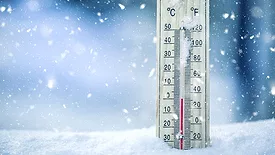
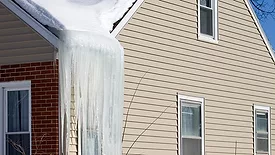
Winter brings its share of challenges, but with these expert tips many common issues can be avoided. Check out these tips for preparing your customers’ homes for the winter season. From winterizing plumbing and maintaining indoor temperatures to preventing ice dams and electrical fires, discover how to safeguard their property effectively.
Learn about the latest trends in disaster-resistant housing on 'Ask The Expert' with Robb Harrell, VP of Product Development at DocuSketch. Gain insights into generational differences, homeowner investment trends and the pivotal role of insurance carriers in promoting resilient materials. Learn expert tips on collaboration and strategies to advocate for durable building practices.
In 2024, we witnessed 24 disasters each resulting in at least $1 billion in damages. From Hurricanes Helene and Milton to severe storms and wildfires, causing a significant impact on communities across the US. The National Oceanic and Atmospheric Administration (NOAA) and the National Centers for Environmental Information (NCEI) have mapped the widespread effects, revealing that extreme weather is becoming more frequent and costly.
As experts in the restoration industry, it’s our responsibility to help clients recover quickly from the chaos caused by severe winter storms. From frozen pipes to extended power outages, winter weather brings unique challenges that can cause significant property damage.
CEO of American Restoration Dan Tarantin gives us tips on preparing our homes for power outages and the best way to prevent issues pertaining to freezing temperatures!
I have worked in many CAT losses, where I created friendships with government agents, adjusters, environmental professionals, and restorers. The consensus is “CAT losses are some of the hardest, dirtiest, unsafe, time consuming, physically exhausting, and mentally challenging jobs you will ever be involved with”. If you plan on working in CAT losses, consider the following.
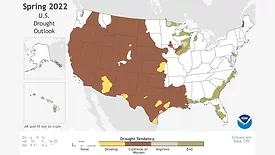
The U.S. National Oceanic and Atmospheric Administration issued its U.S. Spring Outlook, and for the second year in a row, forecasters predict prolonged, persistent drought in the West where below-average precipitation is most likely.