Specialized teams of artists, electronic technicians or textile restoration personnel are trained to analyze items based on many types of damage: heat, soot, smoke, humidity, breakage and water. The most elusive damage is from soot. Short term, lingering soot in items will cause a smoke smell to persist in the room. Medium to longer term, up to six months or a year, these soot particles can cause corrosion in electronics and the item can stop working.
Every fire has its own chemical makeup or DNA – the fuels that burned, the types of chemicals that have reacted or interacted, the duration of the fire, the intensity of the heat, the odors and gases the fire generates all contribute to the uniqueness and toxicity of structure fire environments.
Hands-on training and classroom presentations will occur at this onsite event on Tuesday, Nov. 30, to Friday, Dec. 3, 2021. Six DBPR-approved training courses offered at one event enable Florida-licensed mold assessors and remediators to complete the 14 CEUs biennially required by the Department of Business and Professional Regulation (DBPR) Mold Related Services Board.
We all have had at least one tricky customer with severe reactions to unfamiliar smells, or allergies to cleaning solutions. The methods listed here are not your average restoration practices, but they can make chemical- and odor-sensitive customers very happy while also providing effective odor-removing remedies.
Abby and Brent Thompson own and operate Paul Davis Emergency Services of the Golden Triangle, located in Starkville, Miss. They recently sat down with R&R to share tips on removal of the most common sources of odor they treat.
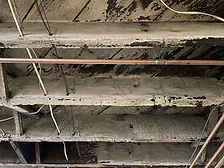
Not all fire restoration practitioners handle deodorizing fire- or smoke-damaged lumber the same, but there are some methods that work better than others. Here are nine steps that may be helpful.
This article is designed to provide some general information regarding a number of technologies that utilize different wavelengths of light as a sanitizing process under the general heading of photocatalytic oxidation (PCO).
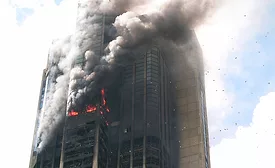
Within a matter of minutes, fires of any size can wreak havoc on large retail businesses. Whether it is a clothing store, a grocery chain, a gym, a theater, a large restaurant, or any other large retail setting, fires damage merchandise, equipment, seating, decor, and the structure of the building.