Restoration & Preservation of Historical Buildings: Understanding the Foundations – Part 1
A deep dive into historic materials, preservation standards, and the challenges restorers must navigate
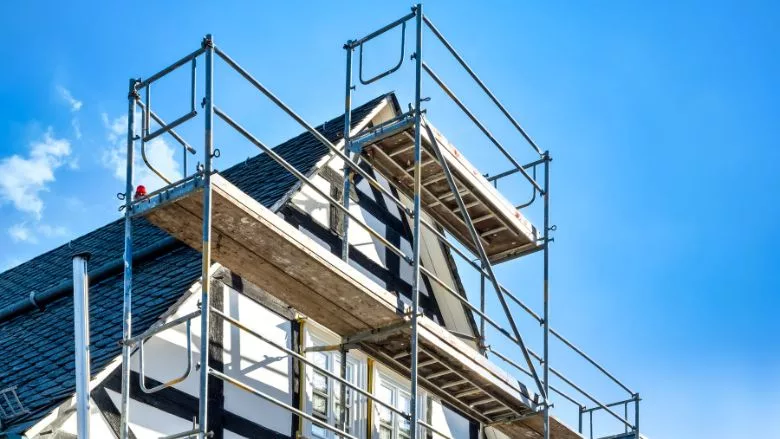
In this edition of the Restorer’s Digest, we will begin a new series where we will embark on a journey to better understand historical building restoration. This series will focus primarily on the unique components of historical buildings, the methods used to construct them and information on how to properly restore them.
Throughout my career, no projects have brought more satisfaction than restoring fire- and water-damaged 19th- and early 20th-century homes and buildings. Working alongside master craftsmen using tools and techniques passed on from a bygone era has been one of the highlights of my life.
In the restoration industry today, most fire and flood restoration work is performed on homes or buildings built in the last 20-50 years. These buildings are typically constructed with modern-age materials and methods that tend to be devoid of that old-world craftsmanship and character.
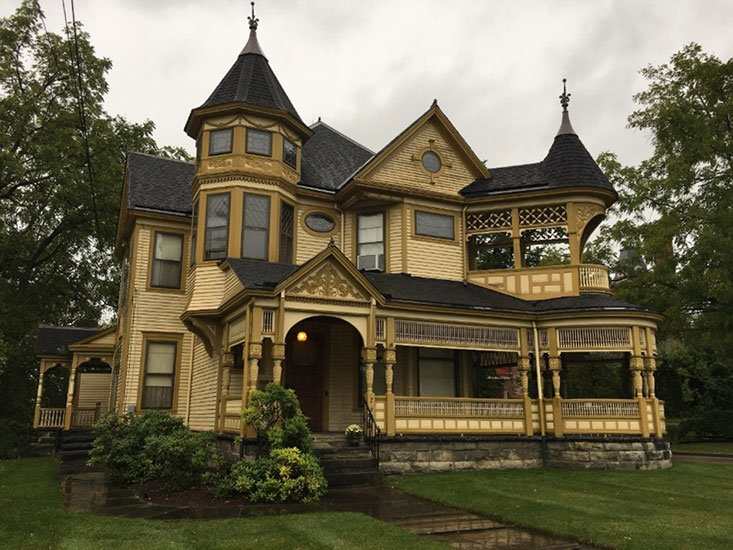
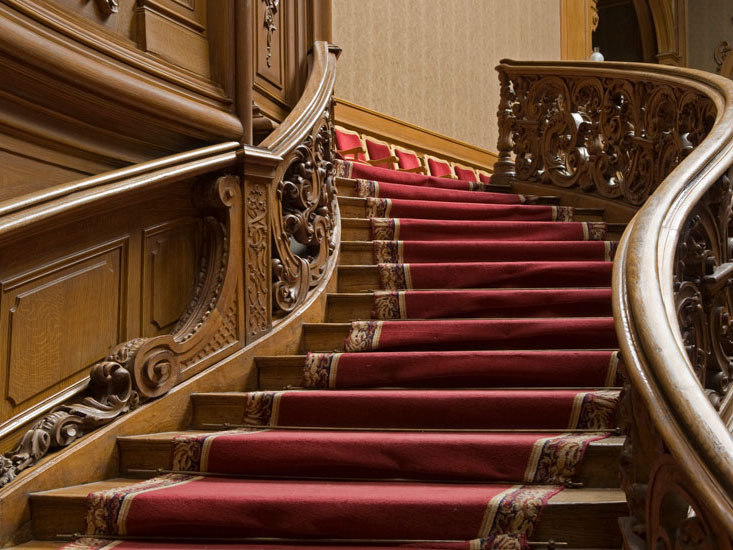
For most restoration practitioners, it is a rare occurrence to come across a restoration project where the building is over 100 years old, especially one that is listed on the National Register of Historic Places. When a project like this is encountered, very few restorers know what is required or the proper methods of restoring such a home or building. Even the names of the different building components and the tools used to make them have been all but lost to the sands of time. Master craftsmen and artisans from the 18th through the early 20th centuries often came from generations of carpenters, masons, blacksmiths and painters who had their skills passed down to them and most spent lifetimes honing their craft. Much of the work was done all by hand without the use of electric tools, nail guns and compressors or modern machinery. These craftsmen made literally everything by hand, including the milling of lumber from trees, making siding, shingles and wood trim, windows and doors, cabinets, furniture and even their own tools. These artisans built incredible homes, churches, schools and all manner of buildings, many of which are considered pieces of art. This is why most states and cities across the country have implemented strict rules designed to preserve the beauty and history of the treasured landmarks.
Credit: Josephyurko, CC BY-SA 4.0, via Wikimedia Commons
Credit: batsan / iStock / Getty Images Plus
What is a Historic Building?
According to Title 54 of the United States Code (U.S.C. § 300308), a ‘‘historic property’’ means any prehistoric or historic district, site, building, structure or object included on or eligible for inclusion on, the National Register, including artifacts, records and material remains relating to the district, site, building, structure or object.
Generally speaking, for a building to be classified as historic, it should be at least 50 years old. Buildings of exceptional importance that are less than 50 years old can sometimes be designated if certain criteria are met. To qualify as a historic building, it must be associated with important historical events, people, architectural characteristics or have the potential to yield historical information. This may include:
- Association with history: The property is linked to events that have made a significant contribution to local, state or national history.
- Association with important people: The building is connected to the life or work of a person who was significant in the past.
- Architectural or artistic value: The building embodies the distinct characteristics of a particular type, period or construction method, represents the work of a master architect, designer or builder or possesses high artistic value.

Credit: CHUYIP WONG / iStock / Getty Images Plus
In addition to being historically significant, a property must have enough of its original physical character to convey its history. The seven aspects used to determine whether a building qualifies as historic are:
Looking for quick answers on restoration, remediation and cleaning topics?
Try Ask R&R, our new smart AI search tool.
Ask R&R →
- Location: The building is in its original place and wasn’t moved from another location.
- Design: The building’s original plan, structure and style are intact.
- Setting: The area surrounding the building has not changed drastically.
- Materials: The original materials, such as brick or siding and original architectural details are present.
- Workmanship: The craftsmanship from the construction period is evident.
- Feeling: The property evokes the historic time period.
- Association: The link between the building and its historical context is still apparent.
What Does “Restoration” Mean?
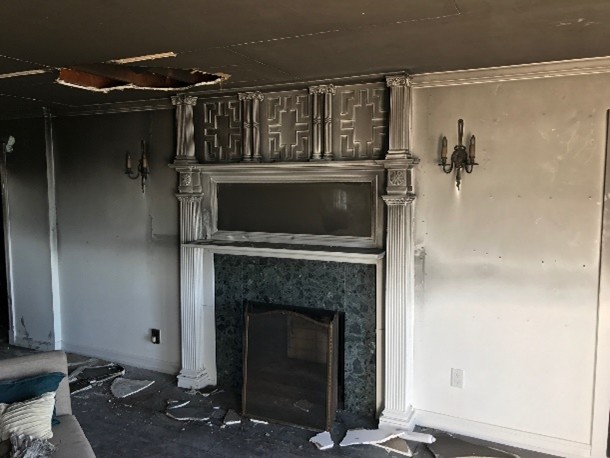
When it comes to historical buildings, the term “restoration” is defined as the act or process of accurately depicting the form, features and character of a property as it appeared at a particular period of time by means of the removal of features from other periods in its history and reconstruction of missing features from the restoration period. This definition is a lot different from insurance terminology, which most attribute the meaning to simply restoring a building to a pre-loss condition, regardless of any prior history.
The United States Secretary of the Interior's Standards for the Treatment of Historic Properties with Guidelines for Preserving, Rehabilitating, Restoring & Reconstructing Historic Buildings can be found under the Code of Federal Regulations Title 36 Chapter 1 Part 68 § 68.3. These standards state in part the following:
“One set of standards—preservation, rehabilitation, restoration or reconstruction—will apply to a property undergoing treatment, depending upon the property's significance, existing physical condition, the extent of documentation available and interpretive goals, when applicable. The standards will be applied taking into consideration the economic and technical feasibility of each project.
(a) Preservation.
(1) A property will be used as it was historically, or be given a new use that maximizes the retention of distinctive materials, features, spaces and spatial relationships. Where a treatment and use have not been identified, a property will be protected and, if necessary, stabilized until additional work may be undertaken.
(2) The historic character of a property will be retained and preserved. The replacement of intact or repairable historic materials or alteration of features, spaces and spatial relationships that characterize a property will be avoided.
(3) Each property will be recognized as a physical record of its time, place and use. Work needed to stabilize, consolidate and conserve existing historic materials and features will be physically and visually compatible, identifiable upon close inspection and properly documented for future research.
(4) Changes to a property that have acquired historic significance in their own right will be retained and preserved.
(5) Distinctive materials, features, finishes and construction techniques or examples of craftsmanship that characterize a property will be preserved.
(6) The existing condition of historic features will be evaluated to determine the appropriate level of intervention needed. Where the severity of deterioration requires repair or limited replacement of a distinctive feature, the new material will match the old in composition, design, color and texture.
(7) Chemical or physical treatments, if appropriate, will be undertaken using the gentlest means possible. Treatments that cause damage to historic materials will not be used.
(8) Archeological resources will be protected and preserved in place. If such resources must be disturbed, mitigation measures will be undertaken.
Credit: Sean Scott
(c) Restoration.
(1) A property will be used as it was historically or be given a new use that interprets the property and its restoration period.
(2) Materials and features from the restoration period will be retained and preserved. The removal of materials or alteration of features, spaces and spatial relationships that characterize the period will not be undertaken.
(3) Each property will be recognized as a physical record of its time, place and use. Work needed to stabilize, consolidate and conserve materials and features from the restoration period will be physically and visually compatible, identifiable upon close inspection and properly documented for future research.
(4) Materials, features, spaces and finishes that characterize other historical periods will be documented prior to their alteration or removal.
(5) Distinctive materials, features, finishes and construction techniques or examples of craftsmanship that characterize the restoration period will be preserved.
(6) Deteriorated features from the restoration period will be repaired rather than replaced. Where the severity of deterioration requires replacement of a distinctive feature, the new feature will match the old in design, color, texture and, where possible, materials.
(7) Replacement of missing features from the restoration period will be substantiated by documentary and physical evidence. A false sense of history will not be created by adding conjectural features, features from other properties, or by combining features that never existed together historically.
(8) Chemical or physical treatments, if appropriate, will be undertaken using the gentlest means possible. Treatments that cause damage to historic materials will not be used.
(9) Archeological resources affected by a project will be protected and preserved in place. If such resources must be disturbed, mitigation measures will be undertaken.
(10) Designs that were never executed historically will not be constructed.”
Obsolete Building Materials
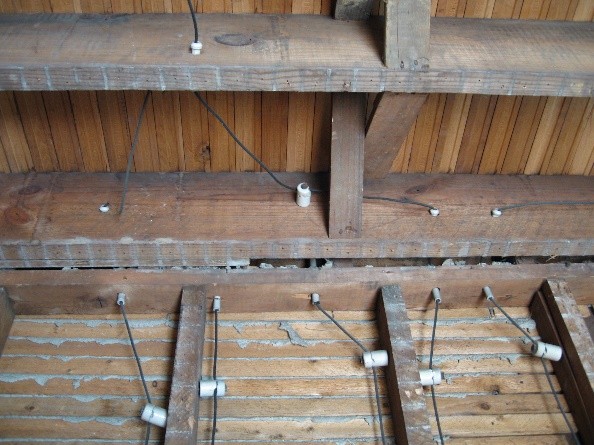
Historical buildings are typically constructed with an array of materials that are now considered obsolete and, in some cases, even hazardous. These include but are not limited to:
Credit: Laura Scudder, CC BY-SA 3.0, via Wikimedia Commons
- Knob & tube electrical wiring
- Horsehair plaster with wood lath
- Mercury switches
- Lead water pipe
- Clay sewer pipe
- Gas or oil light fixtures
- Lead-based ceramic tile or porcelain glazing (tiles, tubs, sinks and fixtures)
- Lead-based paint
- Asbestos siding, roofing, pipe insulation and flooring
- Vermiculite insulation, etc.
Substandard building practices & conditions
In addition to the vast array of obsolete building materials often found in historical buildings, you will also likely find evidence of old construction practices and conditions that would be considered substandard to today’s structural, mechanical, electrical and plumbing standards. These include but are not limited to:
- Unreinforced or non-existent concrete foundations (often cobblestone)
- Unreinforced or deteriorated masonry walls and mortar
- Unreinforced chimneys without liners
- Undersized or over-spanned load-bearing wood members, beams and rafters
- Ungrounded and unsafe electrical systems
- Dry rot and wood boring insect damage
- Poor or absent connections, anchors and attachments
- Absence of insulation and moisture barriers
- Insufficient heating and cooling systems, etc.
Credit: w_lemay, CC BY-SA 2.0, via Wikimedia Commons
Treat Older Buildings as Being Protected
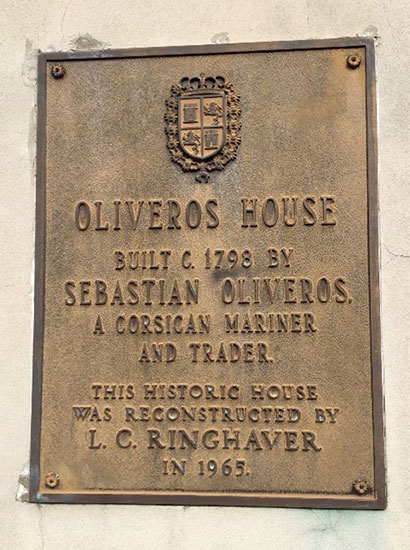
Just because an old building or home doesn’t show up on the national registry or have a bronze plaque affixed to it doesn’t mean that it isn’t protected by federal, state or local laws. Many states and cities have their own registries and enforce stricter rules than the U.S. Department of the Interior when it comes to restoring historic buildings.
- Federal Standards: The Department of the Interior, through the National Park Service, sets broad guidelines like the Secretary of the Interior’s Standards for the Treatment of Historic Properties.
- State-Level Oversight: Most states have their own historic preservation offices that enforce additional regulations, especially for properties listed on state registers. California, Massachusetts and Virginia are known for their robust state-level preservation programs.
- Local Ordinances: Major cities like New York, San Francisco, Boston and Philadelphia have historic preservation commissions that impose stricter design review processes, material requirements and limitations on preservation and restoration.
Tips on historic building restoration
Here are 10 tips to consider when getting involved in a historic building restoration:
- Document every step of the process and keep all paperwork, plans and specs.
- Consult with a local architectural historian to assist with a restoration plan.
- Test for lead- and asbestos-containing materials. Keep in mind that most painted surfaces will likely have layers of lead-based paint.
- Use extreme caution when using media blasting or chemicals to remove finishes.
- Carefully remove, inventory, restore and reinstall all hardware, plumbing and lighting fixtures and decorative treatments. (including all original screws, nuts and bolts, etc.)
- Save and reuse baseboards, casings, plinth blocks, rosettes, fireplace mantels, windows, doors and any decorative wood treatments. (especially items that are carved or unique)
- Identify stained hardwood species so you can replace damaged wood elements with like kind materials.
- Use extreme caution when entering crawlspaces and basements. The structure holding the loads above may not be adequate or stable, especially after a fire.
- If a hazardous condition is discovered, document it and notify the property owner. Do not cover it up or leave it for someone else to deal with later.
- If elements of the building need to be brought up to current building code standards, especially for life and safety reasons, do so with approval from local authorities and in a manner that does not compromise the aesthetics, architecture or character of the building.
Although some historical buildings may not measure up to today’s building codes and standards for safety, functionality and efficiency, the history, craftsmanship and meticulous attention to detail is what makes these national treasures well worth preserving.
Sources:
National Trust for Historic Preservation: 10 Ways to Research Your Home's History | National Trust for Historic Preservation
National Park Service preservation tech notes: Preservation Tech Notes - Technical Preservation Services (U.S. National Park Service)
National Register of Historic Places: National Register of Historic Places
The United States Secretary of the Interior's Standards for the Treatment of Historic Properties with Guidelines for Preserving, Rehabilitating, Restoring & Reconstructing Historic Buildings: https://www.ecfr.gov/current/title-36/chapter-I/part-68/section-68.3.
Looking for a reprint of this article?
From high-res PDFs to custom plaques, order your copy today!