Restoration logo
search
cart
facebook twitter linkedin youtube
  • Sign In
  • Create Account
  • Sign Out
  • My Account
Restoration logo
  • NEWS
  • PRODUCTS
    • New Products & Technologies
    • Submit Your Product
    • Interactive Product Spotlights
  • EDUCATION
    • KnowHow.
    • Podcasts
    • Trade Shows & Expos
    • Training & Certification
    • Webinars
    • Whitepapers
  • TOPICS
    • Water Damage
    • Fire & Smoke Damage
    • Mold
    • Contamination
    • Odor
    • Contents
    • Architecture
    • Catastrophe
    • Cleaning
  • BUSINESS
    • Managing Your Business
    • Insurance/Legal Matters
  • BUYER'S GUIDE
  • VIDEOS
    • Ask the Expert
    • TradeTalks
    • Video Channel
  • THE EXPERIENCE
    • Convention & Trade Show
    • R&R Special Issue
  • EMAG
    • eMagazine
    • Archive Issues
    • Contact
    • Advertise
  • SIGN UP
Fire and Smoke Damage RestorationOdor Removal

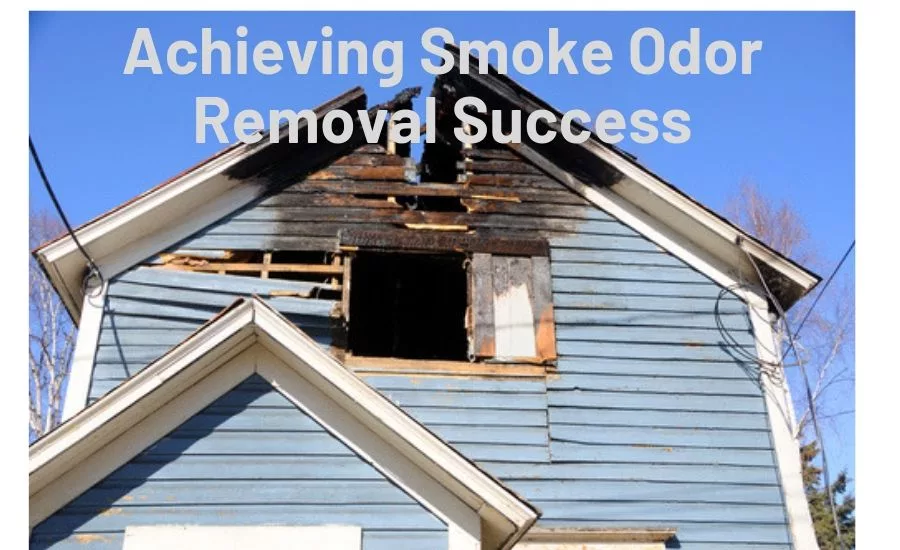
Achieving Smoke Odor Removal Success
By Bill Weigand
smoke odor focus on
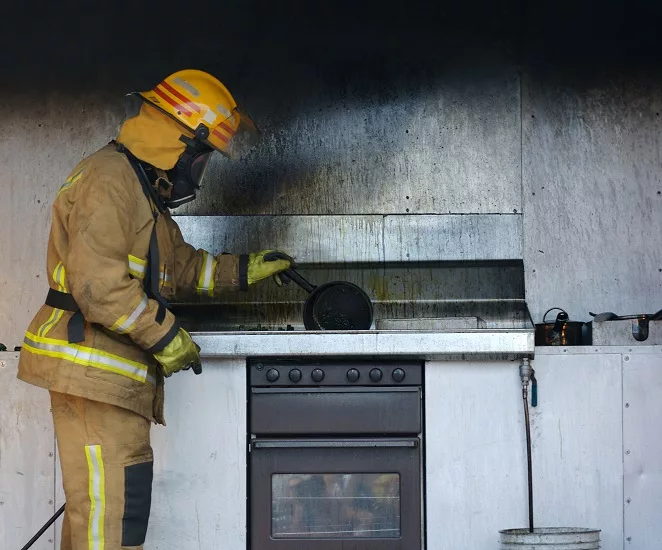
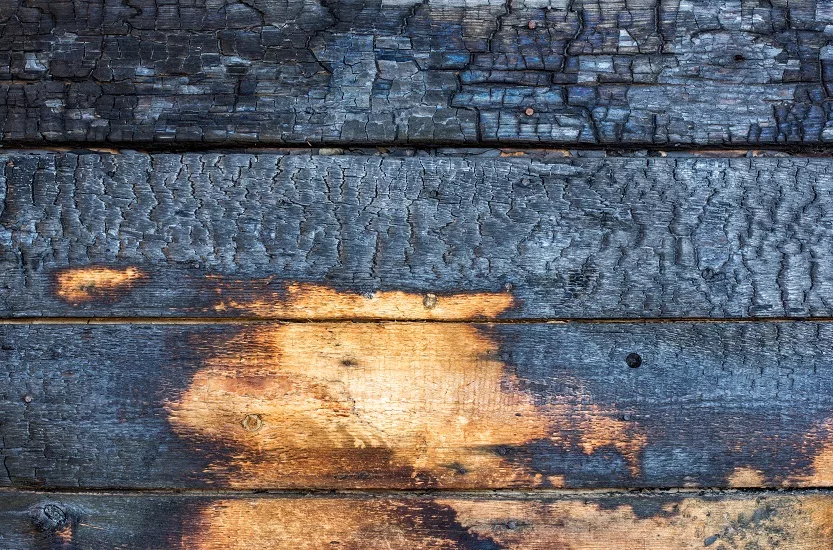
The high temperatures in structural fires make odors penetrate deeply.
smoke odor focus on 2
Start fire restoration jobs by removing materials that cannot be restored.
smoke odor focus on 2
Clean floors first to remove the most significant smoke residues.
odor removal focuson 3
Lemon or other citrus-scented odor counteractants work best to remove protein fire odors.
odor removal focuson 4
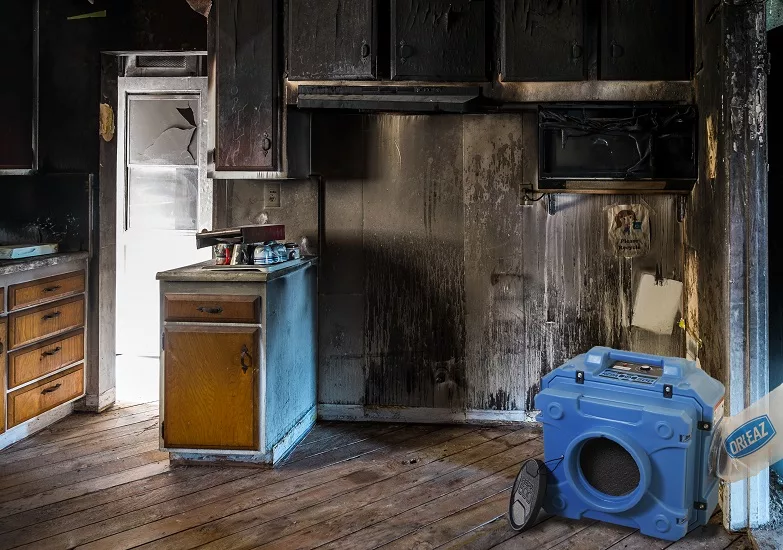
Activated carbon filters in HEPA air filtration devices can adsorb airborne odors and gasses throughout the fire damage restoration process.
smoke odor focus on
smoke odor focus on 2
odor removal focuson 3
odor removal focuson 4
July 31, 2019

Structural fires create an especially complex odor removal challenge: extreme temperatures, different types of materials, and varying amounts of available oxygen are just some of the variables you have to consider.

For example, surfaces sustain damage to varying degrees based on their proximity to the fire and the height of the surface. Typically, elevated temperatures occur within higher levels in the affected space – and higher temperatures cause surface pores to open and expand allowing odors to penetrate deeply into materials.

Source removal

When tackling a fire restoration job, start by quickly removing as many smoke odor contaminants as possible, including all materials that are not restorable, e.g., heavily charred wood and fallen wallboard surfaces. Vacuum remaining restorable surfaces with a HEPA-filtered device or dust with a lamb’s wool duster.

This stage of smoke damage remediation promotes worker safety and increases the probability of successful surface restoration. Plus, removing the top layers of soot makes smoke residue removal more efficient when you later apply water-based cleaning solutions. The longer surfaces are exposed to unpleasant odors or gasses, the more deeply surfaces adsorb them.

Odor counteractants

Next apply odor counteractants to surfaces, especially the floor area, as approximately 80% of smoke residues fall on horizontal surfaces. Some fire restoration professionals refer to this type of reside as free-floating smoke. Using smoke odor counteractants at this stage helps with both real and psychological odor.

Psychological odor is what customers think they smell due to the devastation they see. Use a suppression spray like ODORx™ 9-D-9 on surfaces and floors, and sprinkle ODORx COC crystals to help knock odors down fast. Specialty products like ODORx Double-O are especially effective on burned protein odors. This process helps suppress bad odors and potentially dangerous gasses.

On some jobs, you will need to treat airborne odors or push deodorization products into hard-to-reach places where smoke travels. Pros may disagree on the best approach, but ultimately, the “right” method is the one that is effective and safe for the restorer. For example, at the beginning of the project, thermal fogging may provide fast and effective airborne odor control. When products like ODORx Thermo-55 or Thermo-2000 are fogged, they become aerosolized, specifically combatting smoke odors.

Specific fragrances are best at addressing odors from different fire sources. Here’s a quick guide for choosing the most appropriate scent:

  • Protein: Citrus/Lemon
  • Synthetic: Kentucky Blue Grass
  • Natural: Neutral or Cherry
  • Tobacco/Cannabis: Tabac-Attack

For scent-sensitive occupants, Thermo-2000 also comes fragrance free.

Cleaning

Thorough cleaning is vital to controlling odors. High performance degreasers, such as Unsmoke® Degrease-All or Wall Wash, are very effective at removing sticky soot residue. You can make them more effective by adding a liquid odor counteractant, such as ODORx Double-O or Liqui-Zone (for really challenging odors), to attack odors while removing the smoke residue.

Filter the air

Once initial source removal and cleaning is complete, add an air filtration device such as the Dri-Eaz® HEPA 500 equipped with an activated carbon filter to help control potentially harmful particles and gasses. Activated carbon traps odors and gasses still lingering in the air without emitting a fragrance or releasing oxidizing materials. Hydroxyl generators are also an option – they utilize ultraviolet light and water vapor to oxidize odors, and when people and pets are not going to be in the space, an ozone machine may be an option.  

See the full variety of smoke remediation products at SmokeOdors.LegendBrandsRestoration.com

This is merely an introduction to smoke odor removal procedures and products. If you are new to the fire restoration industry, you should attend a smoke and fire restoration course – check LegendBrandsEducation.com for classes scheduled nearby. If you are an experienced professional, attending a course may give you new insights or a fresh opportunity to review your procedures.

KEYWORDS: smoke odor removal

Share This Story

Looking for a reprint of this article?
From high-res PDFs to custom plaques, order your copy today!

Bill Weigand joined the fire restoration industry in 1989 is currently a technical educator for Legend Brands. He has worked as a restoration contractor and led a team of field technicians. He has also been involved with the development and production of products and procedures used in the restoration business and has served as a long time IICRC instructor.

Recommended Content

JOIN TODAY
To unlock your recommendations.

Already have an account? Sign In

  • mold remediation

    Fighting Mold and Bacteria Damage

    Successful mold remediation can be multidisciplinary,...
    Cleaning and Sanitation
    By: Josh Woolen
  • certifications and licenses for restoration professionals

    Certifications and Licenses Every Restoration Company Needs

    Restoration companies need to make sure they have the...
    Restoration Training/Education
    By: Sharon Elzarat
  • a wall covered in moss and fungus

    Zero Tolerance for Toxic Molds: Essential Steps for Successful Remediation

    Understanding the importance of zero tolerance for toxic...
    Mold Remediation
    By: Michael A. Pinto CSP, SMS, CMP, RTPE, FLS, ERS and Kendra Seymour
You must login or register in order to post a comment.

Report Abusive Comment

Manage My Account
  • eNewsletter
  • Online Registration
  • Subscription Customer Service
  • Manage My Preferences

More Videos

Popular Stories

Ask the Expert - Margin vs. Markup: The Costly Confusion in Restoration

Why Understanding Markup, Margin and Overhead is Critical for Restoration Success

mold spores

Mold and Mental Health: The Dual Crisis Facing Indoor Environmental Remediation Teams

calculating profits

How Poor Documentation and Manual Billing Quietly Erode Restoration Profits

2025 Technician Award winner - Congratulations, Kaylin Glaspie!

Events

January 20, 2026

INTRCONNECT

Dive into the latest trends, innovations, and best practices shaping the future of property insurance and restoration.

April 27, 2026

RIA Convention & Expo

This event empowers professionals through world-class education, powerful networking, and access to cutting-edge tools and services.

View All Submit An Event

Poll

Technology Innovations

Which emerging technology do you believe will have the biggest impact on restoration work in the next 5 years?
View Results Poll Archive

Products

The Cleaning, Restoration, Inspection, and Safety Glossary

The Cleaning, Restoration, Inspection, and Safety Glossary

The Cleaning, Restoration, Inspection, and Safety Glossary.

See More Products
Prepare for CATASTROPHE with R&R!

Related Articles

  • 5-Steps-of-Fire-and-Smoke-Odor-Removal.jpg

    5 Steps of Fire and Smoke Odor Removal

    See More
  • What's That SMELL?! Blog Sponsored by Odorox

    Top Tips for Effective Smoke Odor Removal

    See More
  • firemen on a roof with smoke

    3 Options for Smoke Odor Removal after a Structure Fire

    See More

Related Products

See More Products
  • After-The-Smoke-Clears.gif

    After The Smoke Clears...

  • deoderantization.jpg

    Comprehensive Deodorization

  • Upholstery-&-Fabric-cleanin.gif

    Upholstery & Fabric Cleaning

See More Products
×

Stay ahead of the curve with our eNewsletters.

Get the latest industry updates tailored your way.

JOIN TODAY!
  • RESOURCES
    • Advertise
    • Contact Us
    • Directories
    • Store
    • Want More
    • Submit a Press Release
  • SIGN UP TODAY
    • Create Account
    • eNewsletters
    • Customer Service
    • Manage Preferences
  • SERVICES
    • Reprints
    • Marketing Services
    • Market Research
    • List Rental
    • Survey/Respondent Access
  • STAY CONNECTED
    • LinkedIn
    • Facebook
    • Instagram
    • YouTube
    • X (Twitter)
  • PRIVACY
    • PRIVACY POLICY
    • TERMS & CONDITIONS
    • DO NOT SELL MY PERSONAL INFORMATION
    • PRIVACY REQUEST
    • ACCESSIBILITY

Copyright ©2025. All Rights Reserved BNP Media.

Design, CMS, Hosting & Web Development :: ePublishing