Cleaning and Restoring What is Inside a Hoard
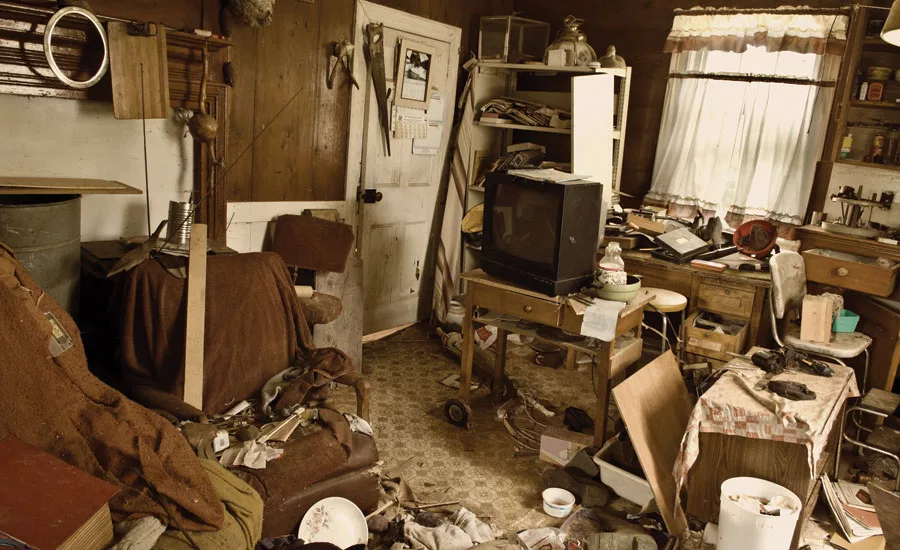
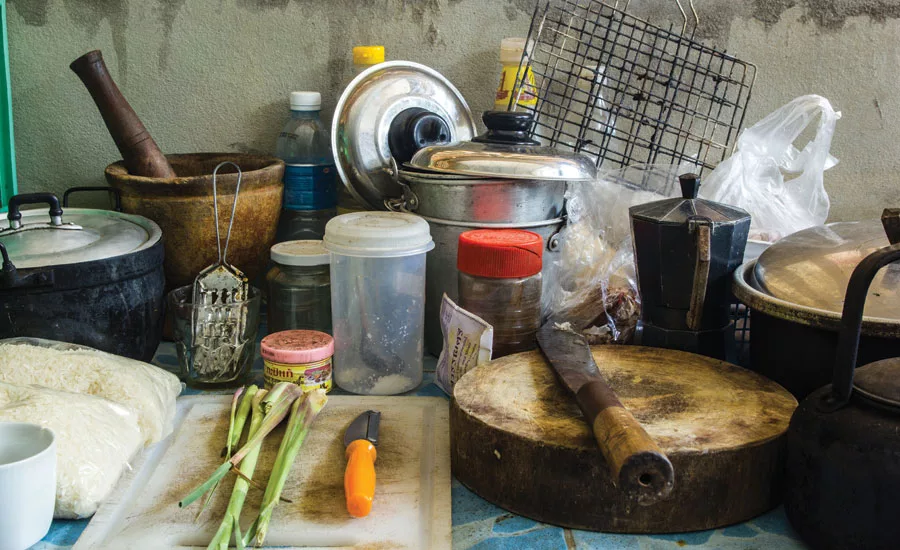
When it comes to dealing with a fire there are many challenges. And if you find yourself in a situation where you are dealing with a homeowner who has been hoarding, there will be unique challenges that you will need to navigate.
There are lots of articles that have been written going in-depth on the psychological side of hoarding and its impact. It would serve you well to read some of them if you are going to tackle contents cleaning jobs that involve a hoarder so you are better equipped to help your client on a psychological level in these types of scenarios.
People become hoarders for many reasons:
- Depression (by far the most common)
- Trauma (death, divorce, abuse, loss of some kind)
- OCD/ADD/ADHD
- Heredity (grew up in a hoarding home) and Genetics
- Fear of becoming poor
- Fear of forgetting (items hold memories)
- Perfectionists (until they find the perfect spot for something....)
- Don’t want to be wasteful
- Brain Injuries/Stroke/Anneurysm
- Dimentia
- To Push Others Away/Safety
- Kleptomania/Impulse Control
- And literally hundreds of other reasons
Understanding these reasons will go a long way in helping you understand your client and how best to handle the cleanup with them.
There are many things to consider like sanitation, employee safety, job timelines, etc.
It is very important to realize what may look like garbage or maybe even junk (items with no real monetary value) to you as a restorer may hold great value in the eyes of your homeowner. And getting them to allow you to handle these items in the most efficient way can be tricky.
Developing trust is vital
A hoarder has a fear of losing their belongings. When there has been a fire or other loss that affects these contents, the hoarder will be forced to deal with the loss that is often times quite substantial as cleaning most of these items may not be economical.
Sometimes you may even find yourself in a hazmat situation due to mold and unsanitary conditions you may find in the home due to excess garbage or rotting materials.
Looking for quick answers on restoration, remediation and cleaning topics?
Try Ask R&R, our new smart AI search tool.
Ask R&R →
The first thing you need to do is establish a workable relationship with them by gaining their trust. Ask them what their concerns are and what items are most important to them.
Listening to their concerns is vital if you want to gain their confidence and trust so that they will give you the ability to handle the job the way you will need to. If the hoarder feels their concerns are validated they will feel confidence in you and your ability to help them thru the loss.
Be sure to have a conversation with the adjuster on the job and ideally ask them to do a walk thru with you. This way they will understand the magnitude that you are dealing with.
If a hoarder doesn’t feel that you understand them and their concerns about their items, they will not trust you in their home.
Once you have your homeowner’s trust, they will feel comfortable trusting your judgement and allowing you make decisions about what is destroyed and what is restorable.
Coming Up With A Clear Game Plan
Your homeowner in a hoarding scenario needs to feel reassured that you will make the right decision when it comes to salvaging their contents. And sometimes this means convincing them to let things go that are of no real value i.e. magazines, papers and keepsakes.
Remember that this is an overwhelming situation for the average person to deal with let alone someone who suffers from this type separation anxiety when it comes to their “stuff”.
Make a plan of action they are part of. Enlist them to help go thru items that may be able to just be thrown away and not even logged on a destroyed list due to not having any monetary value.
The biggest fear these types of homeowners have is losing items that will be thrown out or destroyed and they will never know what those items were.
Having them involved in destroying such items will go a long way in helping them process their loss and deal with these emotions on the spot. Allowing them to let go.
Having a game plan will not only put them at ease knowing what to expect, but it will also make sure that you are both on the same page with the final result that you are trying to accomplish. This way there are no surprises.
A game plan will give you and the homeowner clear timelines. After all, an insurance company isn’t necessarily going to want to pay you to take a ton of extra time to handle this type of job over several weeks so boundaries are important.
Documentation Is More Important Than Ever
In any property loss cleaning job, emotions are high and there can be stress. And for someone who is possibly dealing with an additional amount of emotions like a hoarder, the stress levels can be off the charts.
Having good documentation can be key in keeping everyone on the same page.
This documentation should include a detailed logged destroyed authorization, returned items sheet, and delicates and collectibles release forms that are all signed and dated by your homeowner and a representative from your company.
You will also want to be sure your photo inventory and job photo documentation is very detailed. When dealing with such a mass of items, your homeowner may likely not even remember some of the items they own and a good photo inventory taken before anything is processed or packed out is very important.
Imagine having a complete stranger handling all of your personal belongings, memories and keepsakes. For anyone, this would be difficult to go thru.
In order to be able to do the job correctly and efficiently, you have to gain control of the situation and that is only accomplished thru communication, gaining trust and documenting everything.
Often times we hear from clients that were hoarders that we cleaned for and the loss, like a fire or flood, was actually a blessing. It forced them to deal with the situation and get help.
With a little extra care and attention to detail these types of content cleaning jobs can not only go smoothly but you can play a vital role in changing someone’s life for the better in the process.
Looking for a reprint of this article?
From high-res PDFs to custom plaques, order your copy today!