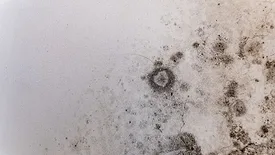
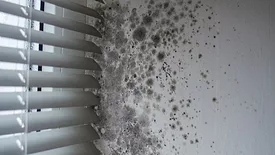
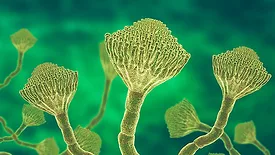
Conoce por qué cinco tipos de moho requieren cero tolerancia en las pruebas posteriores a la remediación y qué significa para una limpieza segura y efectiva.
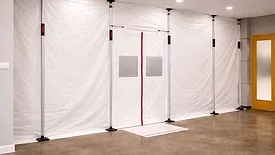
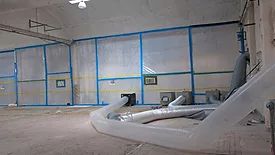
Part 4 of this containment series dives into mini-containments, pressure control, and dust barriers for managing biological contaminants during remediation.
Modern containment systems used today are rooted in safety, asbestos regulation, and infection control. Understanding the history helps restoration professionals build safer and more effective containment systems today.
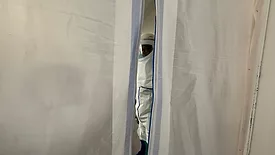
Containment is one of the most critical, and misunderstood, controls in remediation. This article breaks down how temporary barriers, airflow management, and negative-pressure systems work, and what industry professionals need to get right to prevent cross-contamination.
Despite years of research, questions about mycotoxins persist. Learn why restoration professionals must stay informed about these toxic mold byproducts.
A recent discussion highlighted the complexities of health hazards in water-damaged buildings (WDB). While mold is a well-known concern, the dangers extend far beyond, including bacteria, mycotoxins and other harmful agents. Discover why proper remediation is crucial and why many projects fall short, leaving vulnerable individuals at risk.
Understanding the importance of zero tolerance for toxic molds is crucial in mold remediation. Learn why testing for specific "target" spores is vital to ensure a truly safe environment post-remediation.