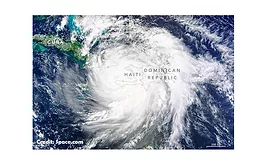
In late January, CoreLogic released its annual Natural Hazard Risk Summary and Analysis. According to their research, 2016 had “average or below-average activity for most U.S. natural hazards with the exception of flood and wind, both of which saw above-average activity, due in large part to Hurricane Matthew.”
When Hurricane Matthew was plotting its course toward the U.S. in the fall of 2016, I reached out to several restorers to see what their response plans were, and debated heading to a heavily affected area to document and witness the cleanup and restoration efforts myself.
As I prepare to write this article about handling contents during a CAT loss flood situation, I am watching the State of California experience some of the worst flooding in its history. Entire neighborhoods have been evacuated and homes have been swallowed by over flowing rivers and spillways.
Disaster sites are a natural breeding ground for health and safety concerns, including severe injuries to fingers and hands. The U.S. Bureau of Labor Statistics (BLS) reports that 70 percent of workers who injure their hands were not wearing work gloves during the accident.
In mid-December, those of us in the Australian state of Victoria believed it was going to be a dry and hot summer. After a very hot couple of days in a heat wave in Melbourne, we were asking, “where is our summer rain?”
ServiceMaster Restore of Hattiesburg responded immediately after the tornadoes hit and mobilized crews from across the country to help aid in the restoration efforts.
Take a moment to think back through 2016. What changed in your life this year? What changes did you notice in the community, state, and even world around you? What headlines come to mind?