Hydroxyl Rentals LLC, an Airbotx company, was founded to partner with contractors of all sizes to provide reliable, effective rental equipment and expertise on a vast array of odor removal needs. Tom Conroy and Tom McArdle have a combined 25-plus years of experience in the disaster restoration industry.
Specialized teams of artists, electronic technicians or textile restoration personnel are trained to analyze items based on many types of damage: heat, soot, smoke, humidity, breakage and water. The most elusive damage is from soot. Short term, lingering soot in items will cause a smoke smell to persist in the room. Medium to longer term, up to six months or a year, these soot particles can cause corrosion in electronics and the item can stop working.
Every fire has its own chemical makeup or DNA – the fuels that burned, the types of chemicals that have reacted or interacted, the duration of the fire, the intensity of the heat, the odors and gases the fire generates all contribute to the uniqueness and toxicity of structure fire environments.
We all have had at least one tricky customer with severe reactions to unfamiliar smells, or allergies to cleaning solutions. The methods listed here are not your average restoration practices, but they can make chemical- and odor-sensitive customers very happy while also providing effective odor-removing remedies.
Abby and Brent Thompson own and operate Paul Davis Emergency Services of the Golden Triangle, located in Starkville, Miss. They recently sat down with R&R to share tips on removal of the most common sources of odor they treat.
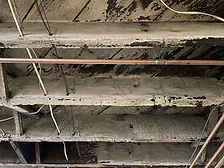
Not all fire restoration practitioners handle deodorizing fire- or smoke-damaged lumber the same, but there are some methods that work better than others. Here are nine steps that may be helpful.
Not having textiles tested after a cleaning could expose people to a wide range of chemicals and health risks. This could, in turn, expose restoration contractors and insurance companies to considerable liability.
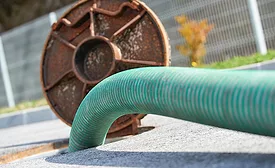
A sewage back-up can wreak havoc on a property. Even small back-ups like in the bathroom of a single-family home can create lasting issues for the property owner or manager.
Fire damage restoration work can be very profitable, while wowing customers with the end result. That said, contractors need effective processes and techniques to rebuild or restore a structure after a fire, and to fully remove the smoke odor for good.
To better understand how toxic TCDD is, one needs to understand how it and other toxins are measured. In toxicology, the median lethal dose is identified as LD50 (abbreviation for “lethal dose, 50%”).