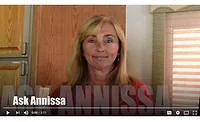
Ask Annissa
Tackling Lingering Chlorine Odors after Deodorization
On this episode of Ask Annissa, she discusses source removal and hydroxyl technology for challenging odor projects
We’re back with another episode of Ask Annissa. This week, Annissa answers a question from a restoration professional dealing with a challenging odor-removal situation. After removing pet urine-contaminated carpet and treating the area with enzymes, his team used chlorine dioxide (ClO2), a dry gas treatment that left behind a strong chlorine odor throughout the property.
Annissa shares that hydroxyl technology is an effective solution for tackling lingering chlorine odors. She mentions that while traditional hydroxyl generators, such as Odorox, can address the issue, Airbotx hydroxyl machines are her preferred option because their advanced design combines HEPA filtration, hydroxyl generation, and air movement into one unit.
Annissa also shares an important reminder: restorers must complete source removal before starting any deodorization process. Restorers should verify that they have properly addressed all affected materials, including the carpet, underlayment, and any contaminated building components. Depending on the material and conditions, restorers may need to remove, clean, and/or seal these materials before treating the structure.
Annissa also recommends tenting the affected area to concentrate the hydroxyl treatment before expanding treatment throughout the entire home. Restorers can then use the HVAC system to help circulate the treatment.
If you have a question you'd like featured in a future episode, email Annissa at Annissa@FireHouseEducation.com with “Ask Annissa” in the subject line. We will see you next time!
Looking for quick answers on restoration, remediation and cleaning topics?
Try Ask R&R, our new smart AI search tool.
Ask R&R →
Looking for a reprint of this article?
From high-res PDFs to custom plaques, order your copy today!