Ask the Expert
The Hidden Mold Risks Homeowners Face After Flooding
A Q&A for homeowners that explains how mold develops, where it hides, and when to call a professional
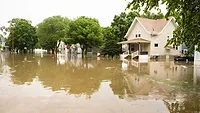
After a flood, there are so many questions you as a homeowner may have. Most times, you don’t even know where to start. In this short Q&A, Tim Singnysane of 1-800 WATER DAMAGE shares his insights on how quickly mold can develop, where it commonly hides, the early warning signs, potential health risks, and when homeowners should consider leaving their homes. Understanding how quickly mold can develop and spread, where it hides, and how it can impact your health is extremely important.
How soon does mold start growing after a flood?
According to the ANSI/IICRC S500 Standard for Water Damage Restoration, a consensus-based industry standard, mold can begin growing quickly, often within 24 to 48 hours after water damage or flooding occurs. Areas that stay damp, humid, or poorly ventilated can develop mold even sooner. That's why quick action, calling a professional, and drying and cleanup are so important after any water event.
Can mold grow if I don't see water anymore?
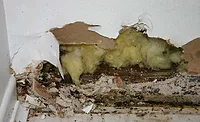
Yes, even on surfaces that appear dry, mold can still grow when moisture remains trapped behind your walls, under the flooring, or inside materials like drywall and wood. Mold feeds on common building materials such as wood and drywall, and it thrives in dark, enclosed spaces, which means it can spread out of sight until it becomes a bigger issue.
What are the signs of hidden mold after flooding?
Mold isn't always visible right away, but your home will usually give you warning signs. Look for:
- A musty or earthy smell
- Bulging, soft, or damaged drywall
- Water stains on your ceilings or walls
- Warped or buckling floors
If you notice any of these signs, there's a good chance moisture, and possibly mold, is present.
Is flood-related mold dangerous for children and pets?
Yes, children and pets are often more sensitive to mold exposure. It may cause:
- Respiratory issues or persistent coughing
- Allergic reactions
- Skin irritation
- In pets, symptoms such as vomiting or breathing problems
If anyone in your home begins experiencing unusual symptoms after a flood, mold could be a contributing factor.
Looking for quick answers on restoration, remediation and cleaning topics?
Try Ask R&R, our new smart AI search tool.
Ask R&R →
Should I leave my home if mold is suspected?
It depends on how much mold is present and your family's health. Small, contained areas can often be addressed while you remain in the home. However, you should consider temporarily leaving if:
- Mold growth is widespread
- You see large areas of visible mold
- Someone in your household has asthma, allergies or other health concerns
When in doubt, have a restoration professional assess the situation to help determine the safest course of action.
When it comes to flood damage, acting quickly can help protect both your home and your health. If you suspect mold or lingering water damage after a flood, contact a restoration professional to inspect your home and develop the right plan to remediate the damage and restore your property. Acting early can make all the difference.
Looking for a reprint of this article?
From high-res PDFs to custom plaques, order your copy today!