Weekly Hands-on How-To powered by KnowHow
How to Clean Hard Surfaces with a Rotary Extraction Tool
Step-by-step guide for deep cleaning tile, grout and hard floors without causing damage
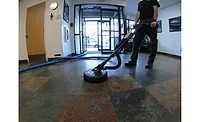
Rotary extraction tools are one of the most effective ways to deep clean tile, grout, and other hard surfaces. Designed to deliver high-pressure water and simultaneously vacuum, these tools remove dirt, oil, and embedded grime in one consistent motion. However, getting the hang of using them correctly takes more than just plugging in and going.
In this weekly how-to, powered by KnowHow, we’ll walk through how to prep your workspace, operate a rotary extractor safely, and leave hard surfaces cleaner than ever without damaging grout, blasting tiles, or creating a mess.

Step 1: Understand the Tool
A rotary extraction tool (sometimes called a spinner or rotary jet wand) is a powerful attachment used with an external extractor, either a portable or truckmount system.
Inside the dome, high-pressure jets spin at speeds up to 650 RPM, spraying cleaning solution downward while vacuum slots immediately recover the dirty water. This combo delivers consistent, overlapping agitation, rinse, and extraction passes.
These tools are best used on:
- Tile and grout
- Natural stone
- Sealed concrete
- VCT and other hard flooring types
They are not standalone units—they require external water pressure and vacuum airflow to function properly.
Step 2: Prep the Area and Protect Surroundings
As with any job, prep work makes or breaks the result. Before firing up the spinner, take a few minutes to inspect the floor and prepare your surroundings.
Looking for quick answers on restoration, remediation and cleaning topics?
Try Ask R&R, our new smart AI search tool.
Ask R&R →
- Check grout and tile condition. If the grout is cracked, soft, or hollow underneath, high pressure can blow it out. Mark damaged areas and plan to clean them at a lower PSI.
- Sweep or vacuum. Dry grit acts like sandpaper and can dull the surface or cloud the finish if left behind.
- Protect nearby finishes. Stainless steel appliances, painted baseboards, and adjacent walls can be etched by overspray. Use towels or masking film to shield vulnerable areas.
- Set wet floor signs and throw on proper PPE. These tools can be loud and powerful—protect your eyes, ears, and hands.
Step 3: Prespray and Agitate
Before bringing out the big guns, lay the groundwork with a solid prespray.
Use your preferred hard surface cleaner: neutral pH for routine jobs, alkaline degreasers for oily or grimy floors, or a mild acid for mineral or urine-based stains. Spray thoroughly with a pump-up or inline sprayer, giving extra attention to grout lines.
Let the solution sit for 5–10 minutes (but don’t let it dry out). If you’re dealing with stubborn grout lines, scrub with a grout brush to break the surface tension and help the jets lift debris from deep within the pores.
Step 4: Set Machine and Extract
Now you’re ready to let the tool do its work. The key is setting the right pressure, temperature, and vacuum for the surface you’re working on:
- PSI: 800–1,200 PSI is ideal for most tile and grout. For delicate surfaces or repaired grout, drop to 500–700. For greasy kitchens or heavy-duty stone, go up to 1,500 if the floor can handle it.
- Heat: 180–200°F outlet temps will help break down soils faster, but be cautious with soft adhesives.
- Vacuum relief: Close the spinner’s relief vents on a small portable. If using a truckmount, open them slightly so the tool can glide.
Tips for operating the tool:
- Walk slowly (6–12 in/sec), overlapping your passes by 50%.
- Hold the deck flat and keep the edge ½" from walls to avoid overspray.
- If water starts pooling, slow down or slightly open the vacuum relief for better extraction.
Step 5: Rinse, Dry, and Seal (If Applicable)
After cleaning, run a clean water rinse pass, or better yet, apply a neutralizing rinse to remove any chemical residue. This helps avoid hazing or sticky grout lines that attract new soil.
Then, dry the area thoroughly with an air mover or axial fan. Fast drying prevents efflorescence and preps grout lines for sealer.
If sealing, make sure the floor is fully dry and follow the manufacturer’s instructions. Sealing can dramatically improve the lifespan and cleanability of grout.
Step 6: Clean the Tool Before You Pack Up
Tool maintenance only takes a couple minutes and saves you from headaches on the next job:
- Flush the jets for 10–15 seconds with clean water and inspect for even spray.
- Pop out and rinse the mesh filter.
- Clean off any grit from the dome and brush ring.
- Store the tool bristles-up to avoid curling.
Step 7: Avoiding Common Mistakes
Even seasoned techs hit the occasional snag. Here’s how to fix common issues:
- Spinner won’t rotate? Check for clogged jets, low PSI, or air in the line. Clean, reprime, and verify pump settings.
- Tool sticks to floor? That’s excess vacuum. Open the relief valve slightly until it glides.
- Streaks or shadows? You’re moving too fast or your chemical dried. Reapply, agitate, and slow down.
- Grout blowouts? Pressure was too high for damaged joints. Dial it back and switch to a hand tool or wand for fragile areas.
On-Site Cleaning, Done Right
Rotary extraction is one of the most powerful ways to clean hard surfaces—but only if it’s done right. Skipping steps or rushing through the process can lead to overspray, grout damage, and a job that needs redoing.
That’s where KnowHow makes all the difference. With expert-built templates like this one, plus step-by-step guidance and on-the-job support features, your team gets the answers they need exactly when they need them. From onboarding new hires to upskilling field techs, KnowHow helps every employee do the job right the first time, without the guesswork.
Download this template and hundreds more, or get started with KnowHow today.
Looking for a reprint of this article?
From high-res PDFs to custom plaques, order your copy today!