Air Quality Crisis: Why Our Cities Are Failing to Protect Public Health and Well-Being
Learn how urban design, pollution and short-sighted planning are creating a public health crisis
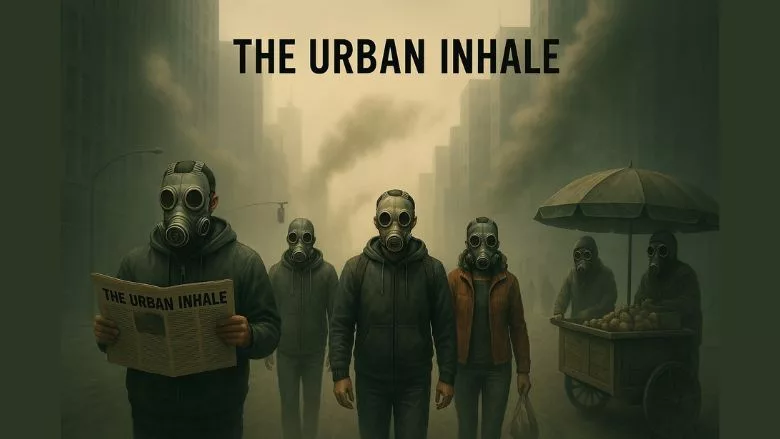
We hear a lot about cities getting smarter. But what if the air we are breathing is telling a completely different story? A story about a hazy, polluted future we have built for ourselves, one emission at a time could be the narrative we are not listening to now. We can see the smog on the horizon and sometimes literally feel it in our lungs. That begs a direct and urgent question: What is the real reason our modern cities, these amazing hubs of innovation, are becoming a public health crisis? Ironically, it is not because we do not have the tools; we have incredible technology and hence, more data than we know what to do with. The real issue is missing the fundamental vision that puts human health and well-being first. Polluted air is not some abstract problem we see on a chart or in a report; it is as intimate and constant as our own breath. It is a physical moment-by-moment reminder of a massive chronic failure. It is the urban inhale, the stuff we are exposed to every single day, the smog and the environmental stress. We need to realize that this is just the surface of the issue, a visible part of a much deeper problem, where pointing fingers will resolve nothing. The first realignment involves reframing our role in a slightly different way. We must start by admitting that we are not just passive victims of the environmental status quo. We are actually active participants. It is our daily choices, such as the commute to work, the plastic coffee cup we toss and the endless demand for next-day delivery that add up. When we multiply those individual habits by millions of people, it yields the current collective crisis.
Smarter Cities, Cleaner Air
If the pollution is the symptom, what is the actual diagnosis? It is a profound failure of vision in how we have designed our cities from the ground up. This is evident through the core conflict playing out right now. On one hand, we are incredibly clever, inventing all sorts of amazing and smart technologies; however, we are not being wise when we neglect the price we pay for our proclaimed prosperity. Completely ignoring our own emissions suggests that we consistently prioritize short-term profit over the fundamental purpose of a city: keeping its people safe and healthy. With the onset of the pandemic, the chaotic scramble for an exit strategy was revealed the fitness of our buildings to be occupied and the cities in which we dwell were suddenly being questioned. The rush to embrace quick fixes distracted us from the fundamental problem, allowing so-called "sustainable" urban development to continue prioritizing financial gains over the health of its inhabitants. The result was a chaotic Indoor Air Quality (IAQ) landscape filled with self-proclaimed experts who had not even solved pre-COVID challenges. This forced us into a false choice between saving lives and saving energy—a dilemma born from a failure of foresight.
The tweak in our urban methodology does not just lie in what we do technically but also ethically. It also lies in human psychology, featuring a constant battle between our gut impulses and the urge to protect our collective ego. This desperate need to defend the status quo and appear correct is what stops us from finding the right solution. It is a massive barrier to progress, especially when enormous challenges like public health and climate change are being dealt with. The role of smart and agile thinkers come into practice at this juncture.
Smart and agile thinkers accept that there is always more to learn and more innovations to uncover. They are uniquely positioned to identify and define effective solutions to issues like environmental crises and pandemics. Smart and agile thinkers are capable of measuring the knowleage gaps, not just the finanical gains. These are the leaders who have the wisdom to pause, challenge their own beliefs and update their perspectives. They understand we cannot control the weather—we can only navigate it. With a blend of candor and reassurance, they can guide us toward a safer and sustainable future.
A Proactive Approach
Having highlighted the problem, the secret sauce of the prescription starts with building a better future. The first fundamental realignment in urban renewal must be to break down the barriers separating urban planners, public health experts, engineers and policymakers. Second, we need to redefine what makes a city prosperous. It cannot just be about GDP anymore; it has to be about public health and resilience. Third, we need to foster real collaboration by rewarding open data sharing, not hoarding it in proprietary systems.
We need to reclaim the term “smart city” and understand its implications. This is not about deploying more sensors or taking note of how flashy IAQ apps are. True urban innovation is not measured by speed, scale or smart technology alone, but by its ability to protect its residents where they live and thrive. It means embracing collective solutions to spot issues like pollution hotspots or infrastructure weak points before they become full-blown crises. Enabling early problem detection signifies being proactive—not reactive—from the start, rather than constantly firefighting. Facilitating proactive governance and strategic urban development will undoubtedly pave the way toward sustainable urban development.
The Call for a Fundamental Shift in Values and Mindset
The air we breathe is a powerful symbol of our collective inaction. We see the smog, hear the warnings and feel the effects, yet we continue on as if nothing is wrong. The sheer scale of the problem can feel paralyzing. How can one person possibly make a difference when the source is so vast and systemic? This is the core challenge. We have built a world where environmental destruction is the default and changing it requires a monumental shift in our individual and collective mindset. Now is the time to align our individual sustainable actions with strong political will and broad social change.
Looking for quick answers on restoration, remediation and cleaning topics?
Try Ask R&R, our new smart AI search tool.
Ask R&R →
The path forward demands not just technological solutions but a fundamental shift in values, governance and individual mindset, prioritizing insights over impulses and fostering collaboration to build cities that truly nurture human health and well-being. A key benefit of this shift toward quality craftsmanship and established standards is that it will make the work of restoration professionals significantly more efficient, allowing them to focus on excellence rather than shortcuts as they navigate and execute their tasks. It is time to act proactively and with epistemic humility, making this "our last chance to redesign not just our cities, but our values.
The Urban Inhale
Our objective must be clear: a "smart city" is not a watermark we paint on an urban environment. It is a fundamental shift toward making our cities pandemic- and pollution-proof by monitoring the entire urban landscape, not just a single corner of it. To truly change our cities, we must first change how we think. We have to become agile thinkers and upgrade our mental software before we can ever hope to upgrade our urban hardware. True urban transformation begins with a strategic shift in our thinking. It is our choice whether we rely on insights or impulses in envisioning a future forged through proactive purpose. Insights provide strategy, while impulse offers speed. The resilience of tomorrow is a direct result of the decisions we make today.
Looking for a reprint of this article?
From high-res PDFs to custom plaques, order your copy today!