Restoration logo
search
cart
facebook twitter linkedin youtube
  • Sign In
  • Create Account
  • Sign Out
  • My Account
Restoration logo
  • NEWS
  • PRODUCTS
    • New Products & Technologies
    • Submit Your Product
    • Interactive Product Spotlights
  • EDUCATION
    • KnowHow.
    • Podcasts
    • Trade Shows & Expos
    • Training & Certification
    • Webinars
    • Whitepapers
  • TOPICS
    • Water Damage
    • Fire & Smoke Damage
    • Mold
    • Contamination
    • Odor
    • Contents
    • Architecture
    • Catastrophe
    • Cleaning
  • BUSINESS
    • Managing Your Business
    • Insurance/Legal Matters
  • BUYER'S GUIDE
  • VIDEOS
    • Ask the Expert
    • TradeTalks
    • Video Channel
  • THE EXPERIENCE
    • Convention & Trade Show
    • R&R Special Issue
  • EMAG
    • eMagazine
    • Archive Issues
    • Contact
    • Advertise
  • SIGN UP
Contamination Restoration & Remediation​Odor RemovalCleaning and Sanitation

An Odor Investigation Gone Awry: A Cautionary Tale for Industrial Hygienists
By John Kozak
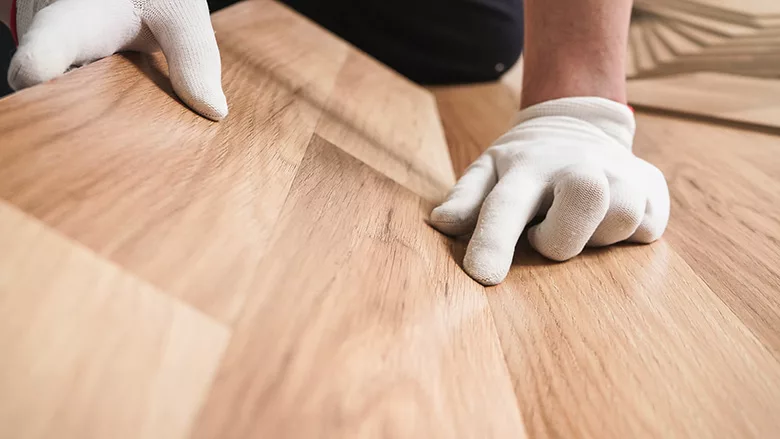
flooring inspection

Photo: Lubo Ivanko / iStock via Getty Images Plus

January 28, 2025

At first appearance, the paper appeared well-researched and should have been hard to refute. In this article the parties will remain unnamed though it involves a well-known hospital and highly credentialed interior air quality analysis firm written by a similarly credentialed industrial hygienist.

The IAQ firm and researcher were commissioned to help identify the source of odors sometimes described as fishy or mildewy that was considered obnoxious by hospital personnel. In the 215-page findings report numerous elements of the building envelope and components were investigated. These included finishes, structural elements and air handling equipment.

Investigation included date logging of the incidents as reported by staff which gave the impression that the condition was transitory with a spike of occurrence followed by dramatic fall in reports. The investigation did not include any type of destructive inquiries into walls, cavities and fixtures. These situations were not investigated in depth by the firm.

It was determined that the odors involved seven of eight medical processing rooms which had the same flooring material. In the report conclusion it was stated that several of these rooms should have the sheet vinyl replaced to see if that would rectify the situation.

This conclusion was supported by numerous citations on how high pH conditions can break down PVC and its component phthalate plasticizers. The premise being that the hospital's alkaline cleaner was having a decomposition effect on the identified sheet vinyl.

This is where all the research begins to break down, taking with it the credibility of the firm and of the researcher, never mind all the other elements of the written report.

While the writer of this article has personally seen and investigated the decomposition of PVC sheet and tile from high pH conditions, these were never associated with transitory exposure of low-pH cleaning chemicals routinely used in hospital environments. These effects can occur when PVC products are consistently exposed to degreasers and similar high-pH and solvent-based commercial kitchen cleaners and disinfectants. These conditions can also occur when concrete substrates have a high moisture condition resulting in a high-pH liquid at the flooring concrete interface.  

These conditions have a direct effect on PVC-based sheet and tile which results in a type of material shrinkage manifested by opening and failing heat welds with sheet vinyl and gapping tile products. What is also usually noticeable is flooring indentations and surface undulations related to softened liquified flooring adhesive under the floor material. None of these effects were noted in the researcher’s report.

Now we come to the biggest blunder of the report. In the researcher’s investigation, a PVC-based floor tile product manufactured by the flooring manufacturer was identified and VOC chamber tested by the researcher. This same flooring manufacturer also manufactures resilient sheet and tile products that are non-PVC based with none of the associated phthalate plasticizers. This writer was able to refute the report findings and conclusion by simply confirming the true identity of the flooring product from the researcher's photographs of the flooring sample tested as being from his non-PVC flooring collection. Further research into our records showed that none of our PVC-based resilient tile was ever sold or shipped for installation at the hospital.

Remember the devil is always in the details. Measure twice and cut once. A rose is a flower, but all flowers are not roses. Do your research or someone will do it for you!

KEYWORDS: flooring restoration inspection

Share This Story

Looking for a reprint of this article?
From high-res PDFs to custom plaques, order your copy today!


John kozak

John Kozak has over 35 years of experience in the flooring industry. Starting in his family’s business, Kozak Paint and Decorating, he trained in resilient floor covering before founding Kozak Custom Floors in 1980. Specializing in high-end residential and commercial flooring, John earned a BS in Business Management from New Jersey City University and an MBA from Belhaven University. As Commercial Technical Director at Kahrs Commercial Flooring, he updates installation guides, conducts training, and contributes to ASTM F6 and IICRC committees. John’s extensive technical knowledge and hands-on training make him a key asset in the commercial resilient flooring market.

Recommended Content

JOIN TODAY
To unlock your recommendations.

Already have an account? Sign In

  • mold remediation

    Fighting Mold and Bacteria Damage

    Successful mold remediation can be multidisciplinary,...
    Cleaning and Sanitation
    By: Josh Woolen
  • certifications and licenses for restoration professionals

    Certifications and Licenses Every Restoration Company Needs

    Restoration companies need to make sure they have the...
    Restoration Training/Education
    By: Sharon Elzarat
  • a wall covered in moss and fungus

    Zero Tolerance for Toxic Molds: Essential Steps for Successful Remediation

    Understanding the importance of zero tolerance for toxic...
    Mold Remediation
    By: Michael A. Pinto CSP, SMS, CMP, RTPE, FLS, ERS and Kendra Seymour
You must login or register in order to post a comment.

Report Abusive Comment

Manage My Account
  • eNewsletter
  • Online Registration
  • Subscription Customer Service
  • Manage My Preferences

More Videos

Popular Stories

Ask the Expert - Margin vs. Markup: The Costly Confusion in Restoration

Why Understanding Markup, Margin and Overhead is Critical for Restoration Success

mold spores

Mold and Mental Health: The Dual Crisis Facing Indoor Environmental Remediation Teams

calculating profits

How Poor Documentation and Manual Billing Quietly Erode Restoration Profits

2025 Technician Award winner - Congratulations, Kaylin Glaspie!

Events

January 20, 2026

INTRCONNECT

Dive into the latest trends, innovations, and best practices shaping the future of property insurance and restoration.

April 27, 2026

RIA Convention & Expo

This event empowers professionals through world-class education, powerful networking, and access to cutting-edge tools and services.

View All Submit An Event

Poll

Technology Innovations

Which emerging technology do you believe will have the biggest impact on restoration work in the next 5 years?
View Results Poll Archive

Products

The Cleaning, Restoration, Inspection, and Safety Glossary

The Cleaning, Restoration, Inspection, and Safety Glossary

The Cleaning, Restoration, Inspection, and Safety Glossary.

See More Products
Prepare for CATASTROPHE with R&R!

Related Articles

  • Asbestos floor tiles

    A Brief History of Asbestos in Resilient Flooring

    See More
  • Ask The Expert: With Dr. Alex LeBeau

    The Key Role of Industrial Hygienists in Restoration: A Discussion with Dr. Alex LeBeau

    See More
  • Odor removable

    Editorial Comment: Odor Be Gone

    See More

Related Products

See More Products
  • Water in Buildings: An Architect's Guide to Moisture and Mold

  • red-guide-national-815.png

    National Red Guide - A Step by Step Guide to Disaster Recovery

  • Upholstery-&-Fabric-cleanin.gif

    Upholstery & Fabric Cleaning

See More Products
×

Stay ahead of the curve with our eNewsletters.

Get the latest industry updates tailored your way.

JOIN TODAY!
  • RESOURCES
    • Advertise
    • Contact Us
    • Directories
    • Store
    • Want More
    • Submit a Press Release
  • SIGN UP TODAY
    • Create Account
    • eNewsletters
    • Customer Service
    • Manage Preferences
  • SERVICES
    • Reprints
    • Marketing Services
    • Market Research
    • List Rental
    • Survey/Respondent Access
  • STAY CONNECTED
    • LinkedIn
    • Facebook
    • Instagram
    • YouTube
    • X (Twitter)
  • PRIVACY
    • PRIVACY POLICY
    • TERMS & CONDITIONS
    • DO NOT SELL MY PERSONAL INFORMATION
    • PRIVACY REQUEST
    • ACCESSIBILITY

Copyright ©2025. All Rights Reserved BNP Media.

Design, CMS, Hosting & Web Development :: ePublishing