4 Factors to Account for During the Restoration of Abandoned Commercial Spaces
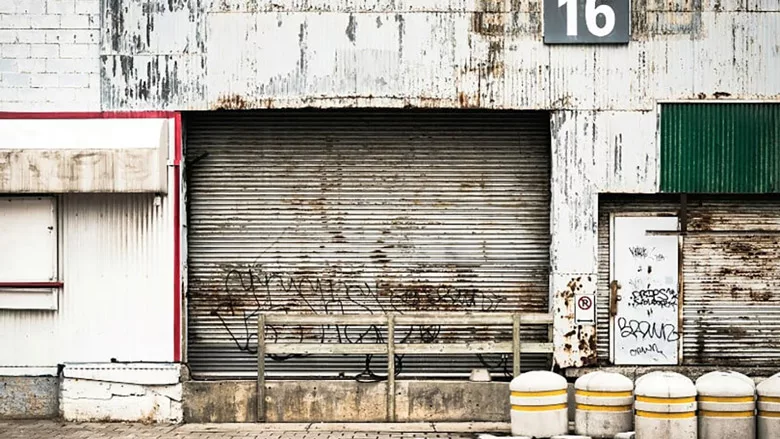
Reviving an abandoned building requires painstaking assessment and considerable planning. After all, reversing the effects of years, if not decades, of neglect and aging to restore a commercial property to its former glory is no simple task.
However, poor execution can derail even the most well-thought-out plan. Revitalizing a dilapidated building comes with unique challenges, so consider these four factors to realize the project’s goal.
1. Historically Significant Features
Some abandoned buildings are relics of a bygone era, and preserving them can be crucial. The value of these forgotten properties often lies in their historical materials. Although retro and vintage materials may appear identical but they are not interchangeable.
During the planning stage, teams must identify which areas are beyond repair and which are salvageable. Despite understanding that these structures won’t be 100% original post-project, workers must respect these properties. Restoration professionals need to prevent accidental damage to the remaining intact features and avoid breaking those in disrepair further.
Local communities may view abandoned properties as eyesores, but people who understand their historical significance might be upset if anything goes wrong during the restoration process.
2. Structurally Unsound Areas
Any old, vacant building up for restoration has endured enough to stand the test of time. Still, the whole crew should be on high alert during restoration. If fairly new, occupied structures can crumble without warning, unmaintained properties are more likely to cave in abruptly.
General commercial inspectors and structural engineers can check abandoned structures meticulously to determine which areas are unsafe. While thoroughly inspected buildings’ chances of collapse are low, they’re never zero. Even worse, commercial spaces can fall apart under mysterious circumstances.
Looking for quick answers on restoration, remediation and cleaning topics?
Try Ask R&R, our new smart AI search tool.
Ask R&R →
Modern technology has improved quality control more manageable than ever. Checks have become more stringent and granular, making it possible to spot the tiniest flaws as early as possible. Still, diligence isn’t enough.
Buildings can fail without a clear explanation. Honest structural engineers would admit to never knowing the root cause of a surprising catastrophic failure because its nature can be multifaceted and complex.1
Typically, external forces, such as intense storms and gas explosions, contribute to the sudden collapse of a commercial property. Inconspicuous culprits may also be at play. For instance, an alkali-silica reaction can negatively impact concrete, resulting in diminished serviceability.2
Restoration professionals must take every safety precaution to prevent falls. Best practices include wearing harnesses that fit, always keeping them connected, setting up guardrails around holes and openings, and using well-maintained fall protection equipment.
Eliminating communication gaps and barriers is also crucial. Establish a communication chain, ensuring every worker and laborer can transmit the right information to the right people at the right time. Two-way radios allow restoration crew members to exchange clear, concise messages and warn each other of physical dangers on the site efficiently.
3. Pests
Wildlife generally takes over buildings once humans leave. Unoccupied structures provide shelter, warmth and food to various critters, allowing them to nest and breed freely.
Rodents are an excellent case in point. Although construction materials aren’t primary food sources for rats and mice, wood is helpful for teeth maintenance. The obscure crevices and cavities in abandoned properties provide rodents with abundant hiding spots to evade predators and stay out of sight.
Restoration professionals should also worry about minuscule pests. Insects and microbes can be challenging to spot, allowing them to spread germs undetected. Rehabilitating aging commercial spaces with disease-carrying pests around can expose workers to microbial infections and vector-borne illnesses.3
Pest eradication should precede building restoration. Only after getting their numbers under control can workers rehab spaces and disrupt the conditions that attract unwanted wildlife.
Hazardous Materials
Old buildings can be full of unpleasant surprises. Asbestos, a lung tissue-damaging substance, remains a threat despite efforts to ban it in 1989. It has been an ingredient in over 3,500 construction materials, some of which may still be on the market today. Remediating can be a pain because it’s challenging to determine whether a material has it by cursory inspection.4
Lead is another toxic hazard restoration professionals may encounter when dealing with vacant properties. Even the healthiest crew members may suffer from severe health problems, like kidney damage, from ingesting airborne fragments of lead paint.
Radon is another silent killer. While this radioactive dust-emitting gas is more prevalent in airtight commercial properties, high concentrations may be present in the unopened rooms of abandoned buildings.
Gutting out vintage and antique fixtures from old structures exposes restoration pros to mercury, which can be as hazardous as lead. Chlorofluorocarbons — outdated air conditioning refrigerants — are notorious eye or skin irritants and respiratory nuisances. Polychlorinated biphenyls, which are prohibited synthetic building material components found in decades-old structures, are carcinogenic and may compromise immunity.
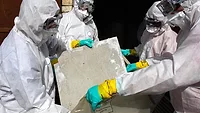
Hazardous materials merit proper remediation. Involve experts during inspection to detect their presence and handle them accordingly. Restoration teams must wear appropriate personal protective equipment and undergo training to recognize signs of danger when they see them immediately.
Restore Aging Buildings Carefully
Rehabilitating unused commercial spaces requires vigilance. One error can ruin the project or endanger workers, so plan restoration carefully and stick to it.
Resources
Looking for a reprint of this article?
From high-res PDFs to custom plaques, order your copy today!