EPA Registration: A MUST for Flood Cleanup
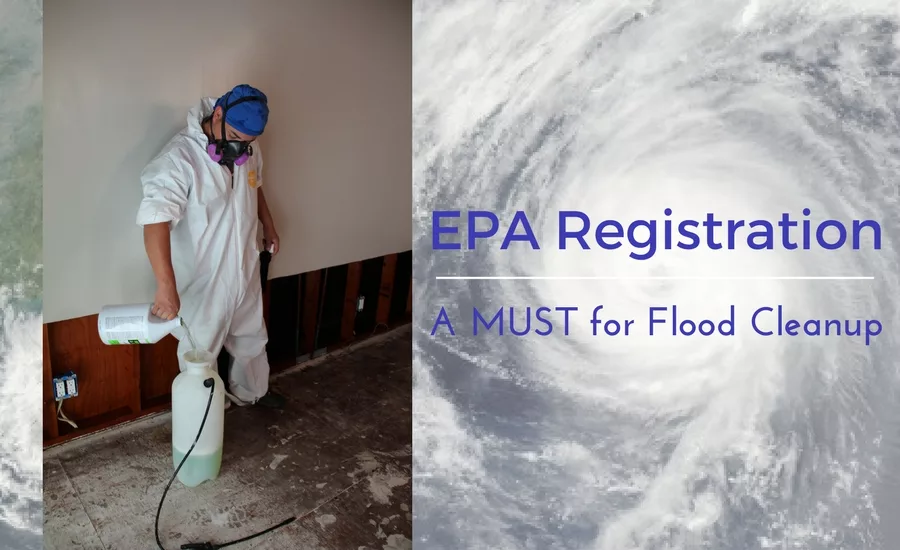
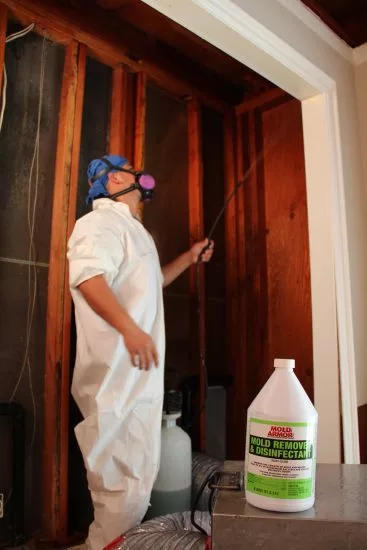
Flooding and water damage can be a devastating event. Taking immediate action can help save your property from mold, mildew and moisture damage. Mold & mildew can start growing within 24 hours after a flood, as the excess moisture and dampness are perfect conditions for mold to grow. In addition, flood waters contain bacteria and other micro-organisms which can be hazardous to human health. Cleaning items exposed to floodwaters removes visible contamination yet invisible microorganisms are left behind. All flood-dampened surfaces should be cleaned, dried, disinfected and sprayed with a mold inhibitor as soon as possible. There are many products available that claim to control mold after flooding but how do you know which are really effective? An EPA registration listed on the product label helps you answer this question.
With mold or the potential for mold growth, the EPA requires that all products that claim to kill mold or inhibit mold must be first registered with the EPA before these claims can be made. Registering with the EPA means that a product has passed their required tests for pesticide claims with an independent laboratory. The EPA classifies mold claims such as ‘kills or inhibits’ as pesticidal claims. Mold Stain removal or products that claim to remove the stains caused by mold are not considered pesticidal and do not require an EPA registration. After flooding you need a product that kills and inhibits mold, so you should use an EPA registered product to ensure the product actually kills and inhibits molds. The EPA registration outlines the proper uses and approved claims manufacturers can make about the product. It outlines proper usage, application areas, contact times, safety and general instructions. An EPA registration provides a sense of security, knowing that the claims on the label are back by EPA testing and protocols.
In addition to mold, flood waters may carry bacteria and viruses. Products that claim to kill bacteria and viruses must also be EPA registered. The common terms found on the labels are disinfect and sanitize. The two terms are often used interchangeably but there is a difference. Disinfectants are products that destroy all organisms in 10 minutes during the AOAC Use Dilution Test, a test regulated by the EPA. Sanitizers destroy 99.999 percent of bacteria in 30 seconds during the Official Detergent Sanitizer Test (a public health test). Sanitizers are typically used around food or in kitchens due to the speed needed to destroy bacteria on dishes and glasses as it makes the surfaces safe for contact quickly. Disinfectants are used around all other places to destroy microorganisms because they are stronger.
How do you know what products kill or inhibit mold and other microorganisms? Check the label for the words fungicide, mildewstat, disinfectant and deodorizer. These terms identify the claims and the performance of the product. Here is what those terms mean: (1) fungicide (cide = kills) so this means kills mold & mildew (2) Mildewstat (stat = inhibit) so this means inhibits mold growth. (3) Bactericide (cide = kills) which means kills bacteria. (4) Virucide (cide = kills) so this means kills viruses. The back label will list the various organisms the product kills or inhibits. Be sure to find these terms listed on the label of the product you purchase if you want to kill mold, mildew, bacteria and viruses, all which are found in flood waters. By using an EPA registered product, you know it met the EPA protocol to kill and inhibit mold and mildew.
Once you’ve found an EPA registered product, take these key steps to flood and water clean-up:
- Be sure to wear protective clothing including goggles and rubber gloves.
- Open windows and dry areas thoroughly. Place moisture absorbers in small enclosed spaces like closets and bathrooms to help eliminate excess moisture and dry out the area. Moisture absorbers are a natural way to attract and trap excess moisture to eliminate and prevent musty odors and moisture damage. They do not require electricity and work well in small spaces.
- Discard any water damaged materials that are porous and can trap mold. This includes books, paper, ceiling tiles, cellulose insulation, fiberglass insulation and soft surface items. Be sure to photocopy any valuable important papers and documents. Place the items in sealed bags before placing in trash containers.
- Carpet and backing may be wet vacuumed and dried with fans or dehumidifiers. Clean carpet and window drapes. Apply a fungicide and disinfectant product to kill mold, mildew, bacteria and viruses. Be sure to use a bactericide and virucide to kill bacteria and viruses.
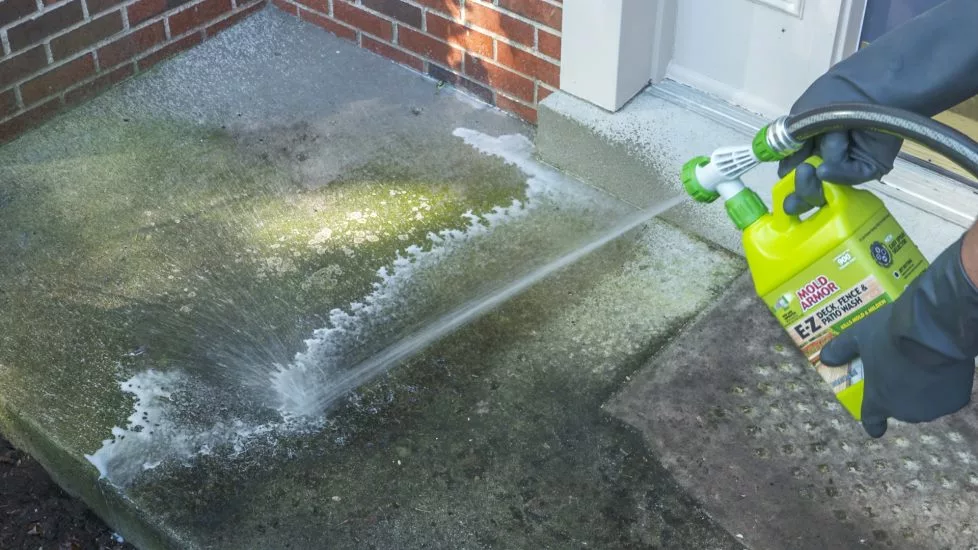
- All hardened non-porous surfaces or objects that have come in contact with flood waters must be cleaned, disinfected and treated with a mold killer and inhibitor. Dry and clean the surface and apply a fungicide and disinfectant product to kill mold, mildew, bacteria and viruses. Be sure to use a bactericide and virucide to kill bacteria and viruses.
- Protect against future mold growth. Use a product that contains a mildewstat to inhibit the growth of mold and mildew.
- Check for odors. It could mean you have mold and mildew behind walls. Find the mold sources and treat them as described above.
Using mold products that are registered with the EPA as a fungicide and a mildewstat ensures that the products meet the EPA requirements to kill and inhibit mold. A product that is a fungicide, mildewstat and a disinfectant saves you time because it kills and inhibits mold and disinfects in one step.
Looking for quick answers on restoration, remediation and cleaning topics?
Try Ask R&R, our new smart AI search tool.
Ask R&R →
Looking for a reprint of this article?
From high-res PDFs to custom plaques, order your copy today!