Restoration logo
search
cart
facebook twitter linkedin youtube
  • Sign In
  • Create Account
  • Sign Out
  • My Account
Restoration logo
  • NEWS
  • PRODUCTS
    • New Products & Technologies
    • Submit Your Product
    • Interactive Product Spotlights
  • CATASTROPHE
    • Hurricane
  • TOPICS
    • Architecture
    • Cleaning & Sanitation
    • Contamination
    • Contractor Safety
    • Contents
    • Fire & Smoke
    • Mold
    • Odor
    • Recon & Reno
    • Water
  • EDUCATION
    • Training & Education
    • Business Management
    • Insurance/Legal Matters
    • KnowHow.
    • Podcasts
    • Webinars
    • Whitepapers
    • Industry Events
    • Sponsor Insights
  • VIDEOS
    • Ask the Expert
    • Ask Annissa
    • Marketing Monday
    • Tech Tip Tuesday
  • BUYER'S GUIDE
  • THE EXPERIENCE
    • Convention & Trade Show
  • ABOUT
    • Contact
    • Advertise
  • SIGN UP

ABRA-cadabra: Bio-recovery conference highlights risks, rewards
By Jeffrey Stouffer
June 11, 2007


It’s something many people wouldn’t give a second thought: a slip, an accident, and suddenly there’s a small pool of blood on the floor. Instinctively the thought is, “Clean it up, get on with the business at hand.” Simple.

Except that, if you happen to be the employee who takes the initiative and moves in armed with mop and bucket, odd as it sounds, you may be fired. And if you’re the employer, well…

Federal Regulation 29CFR1910.1030 states that no employee can be placed in a position to be exposed to blood spills without first:

  • Receiving bloodborne pathogen (BBP) training.
  • Having a written BBP exposure control plan.
  • Having been provided personal protective equipment.
  • Having been offered Hepatitis B vaccine and exposure evaluation and follow-up.
  • Being provided with a method to remove and properly store the bio-hazardous waste in properly marked containers for disposal at an approved site.


Only after these five steps have been met can an employee be required by his or her employer to clean a bio-hazardous/crime scene.

Doesn’t sound so simple now, does it?
Biological hazard remediation, or bio-recovery, is a highly specialized segment of the remediation industry. The cleanup of crime scenes, accidents, suicides and other trauma scenes was once dismissed by many as an afterthought, or not thought of at all. “Don’t worry about it; someone will take care of it,” and so forth. But changes in the way public health concerns are viewed, as well as legislation and regulations concerning the handling and disposal of hazardous waste and materials, have positioned this once-niche specialization as an important part of the remediation industry.

The American Bio-Recovery Association, established in 1996, has been the vanguard of the segment. Founded by Kent Berg, ACBTI, the association’s objective is “to achieve and maintain the highest levels of competence among members in the performance of their profession. To teach, instill and require the highest technical, ethical and educational standards.”
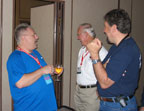
The 10th Annual ABRA Conference in San Diego earlier this year presented a diverse speaker lineup engaging a focused, no-nonsense group of professionals from as far away as Belgium. ABRA President Dale Cillian, owner of Arizona-based Biopro, oversaw a three-day event concentrated on educating and informing attendees of real-world developments in technique and technology, with a big emphasis on business practices.

“City and county contracts. I know a lot of you probably have them, but for those of you that don’t, that’s the way things are going,” Cory Chalmers of Crime Scene Steri Clean in Garden Grove, Calif., said. “All states have local standards, they have best-management practices, they’re getting them in place. Some are a little more proactive than others … but in the big picture, a city’s liability of having their officers or other people clean scenes is too great. So in the future, we’ll be seeing a lot more of that.”

As with all burgeoning industries, the growth of bio-recovery and the demand for its services is bringing with it a whole new set of operating concerns.
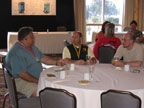
“You’re part of a bigger industry, and sometimes I think that’s what you guys forget, because you’re in your own little segment of the industry, and sometimes you don’t see some of the bigger aspects until you get to a crisis point, and it sounds to me like that’s what a lot of you are facing today,” Dr. Michael Pinto of Wonder Makers Environmental said.

“You had no competition for a number of years, and now you have a lot of competition. You were kind of flying under the radar, and now you have a fair amount of media attention,” Pinto said. “You were pretty much able to set your own cost figures, and you’re seeing the results of that, like Cory said. Some people come in and set their cost figures fairly, because they come with a service attitude and they just want to make a fair profit on it. Other people, of course, when they see that opportunity, enter into the market strictly because they think they can make a lot of money. ‘Mold is gold,’ except now it’s ‘blood is gold.’”

An international association, with members in Australia, Canada and Europe as well as the United States, ABRA today finds itself in an interesting situation. Originally focusing on crime and trauma scene cleaning, the scope of bio-recovery technicians has grown to include the decontamination of diseases associated with bird waste, rodent waste, human waste; clandestine drug lab cleanup, communicable disease infection control; pickup and transport of medical waste; the remediation of bioterrorism-related contaminants such as anthrax, and more.
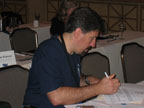
That increased scope leads, of course, to more media exposure and scrutiny, which some ABRA members find a mixed blessing. On the one hand, it brings certain aspects of the business to light, helping to promote standards and push for regulation. On the other hand, shops of “unqualified hacks” begin opening their doors, drawn in by the potential of large-dollar jobs, and the service attitude so important to the industry is quickly replaced by unfeeling “dollar hunters,” lowering the standing of the business and the profile of the industry.

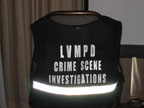
The final day offered a special treat. David LeMaster, a Las Vegas Metropolitan Police Department crime scene investigator and forensic scientist, addressed the issue of “Crime Scene Chemicals” and other aspects of his profession, including the reading of bloodstain patterns (direction, point of origin, etc.), why fingerprints are processed (the skin is unique and permanent through a person’s lifetime), and why he has a strong dislike for paper bags (fingerprints can be smudged or destroyed. “The worst thing you can do with evidence is put it in a paper bag and put it in the evidence vault,” he said.).
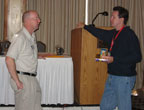
What does the future hold for ABRA? The demand for professional biological hazard remediation will only continue to grow, though the segment’s path may be a bit rocky. The professionalism and continued vigilance of ABRA and its members should do much to help it stay on the right track.

ABRA’s 2008 Conference is set to be held in Las Vegas, Sept. 25-27. For more information go to www.americanbiorecovery.com.

Share This Story

Looking for a reprint of this article?
From high-res PDFs to custom plaques, order your copy today!

Jeffrey Stouffer is editor of Restoration & Remediation magazine

Recommended Content

JOIN TODAY
To unlock your recommendations.

Already have an account? Sign In

  • Digital view of the United States with a Hurricane and coding

    Is Your Restoration Technology Ready for the Upcoming Hurricane Season?

    Here’s how restoration contractors can prepare their...
    Preparing to Respond: Hurricanes
    By: Taylor Carmichael
  • Business team analyzing financial data on digital tablets during a meeting

    7 Trends Influencing the Restoration Industry in 2026

    With market uncertainty, workforce transitions, new...
    Managing Your Restoration Business
    By: Oscar Collins
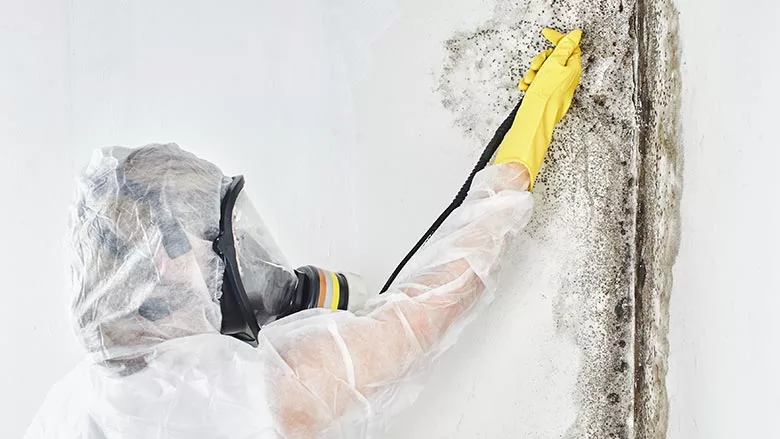
  • mold remediation

    Fighting Mold and Bacteria Damage

    Successful mold remediation can be multidisciplinary,...
    Contamination Restoration & Remediation​
    By: Josh Woolen
You must login or register in order to post a comment.

Report Abusive Comment

Manage My Account
  • Newsletters
  • Online Registration
  • Subscription Customer Service
  • Manage My Preferences

More Videos

Sponsored Content

Sponsored Content is a special paid section where industry companies provide high quality, objective, non-commercial content around topics of interest to the Restoration & Remediation audience. All Sponsored Content is supplied by the advertising company and any opinions expressed in this article are those of the author and not necessarily reflect the views of Restoration & Remediation or its parent company, BNP Media. Interested in participating in our Sponsored Content section? Contact your local rep!

close
  • restoration technician working a water damage project
    Sponsored byCotality

    Schedule smarter with DASH’s mobile restoration job management

Popular Stories

Restoration Jobsite Table before and after organization.

The New Profit War: How Restorers Will Compete in the Age of Managed Repair Programs

Restoration Golf League Full Color Logo

Restoration Golf League Announces 2026 Event Lineup and Celebrates Recent Champions

temporary containment barrier constructed with white polyethylene sheeting

Improving Negative-Pressure Containment for Biological Contaminants

Register for Webinar - Hurricane Response: What's Changed, Who's at Risk, and How to Scale without Breaking

Events

May 19, 2026

Hurricane Response: What’s Changed, Who’s at Risk, and How to Scale Without Breaking

This webinar is part of the Preparing to Respond: Hurricanes series.  

Hurricane season isn’t what it used to be, and neither is disaster response. In this webinar, an expert‑led panel will break down what’s changed for hurricane response, and how restorers can scale responsibly without sacrificing their safety, retention, or profitability.

June 16, 2026

Connecting the Field, Office, and Carriers: How to Streamline Claims with Better Data and Communication

The modern claims ecosystem depends on seamless integration between the field, office, and carrier. Learn how a unified “golden thread” of communication transforms fragmented workflows into a transparent, high-performance process.

September 9, 2026

The Experience Convention and Trade Show

The Experience Convention & Trade Show logoThe Experience Convention and Trade Show unites the cleaning, restoration, inspection, indoor air quality, and HVAC industries through hands-on education, live demonstrations, and high-impact networking. Attendees gain practical skills, business insight, and connections that elevate industry standards and drive growth.

View All Submit An Event

Poll

Priorities for Hurricane Preparedness

What area does your team prioritize first before hurricane season?
View Results Poll Archive

Products

The Cleaning, Restoration, Inspection, and Safety Glossary

The Cleaning, Restoration, Inspection, and Safety Glossary

The Cleaning, Restoration, Inspection, and Safety Glossary.

See More Products
Hurricane Month - How Restoration Professionals Can Prepare Before the Storm

Related Articles

  • ABRA partnership

    American Bio Recovery Association (ABRA) Enters Partnership Agreement with Seven Like-Minded Organizations

    See More
  • Crime & Trauma Scene Bio-Recovery - Growing Pains in a Niche Industry

    See More
  • Dybdahl_balancing-risks-and-rewards

    Knowing the Risks & Reaping the Rewards of Biohazard Cleanup

    See More

Related Products

See More Products
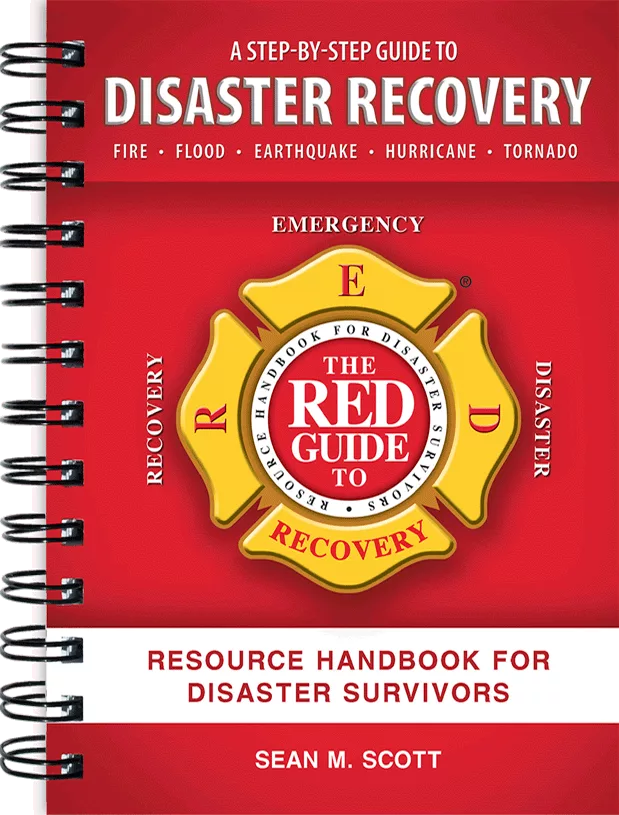
  • red-guide-national-815.png

    National Red Guide - A Step by Step Guide to Disaster Recovery

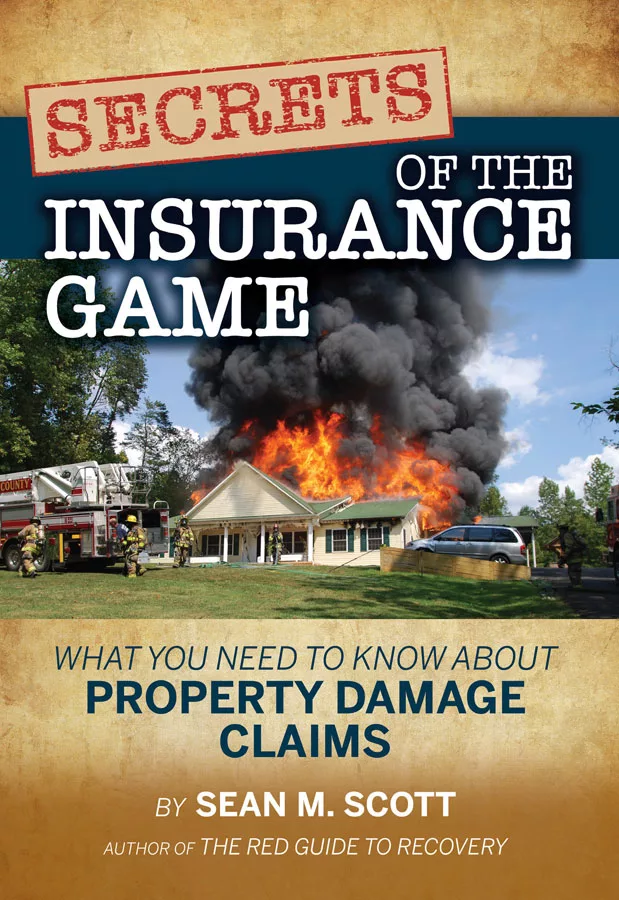
  • secrets-of-insurance-game.jpg

    Secrets of the Insurance Game

See More Products

Related Directories

  • American Bio Recovery Assn.

    Bio Recovery is the act of assessing risk, mitigating threats and remediating conditions resulting from the release of biological hazards. This may include crime and trauma mitigation (bloodborne and body fluids), suicide cleanup, outbreak response, zoonotic diseases, foodborne diseases, public health threats, illicit drugs and clandestine drug labs.
×

Stay ahead of the curve with our newsletters.

Get the latest industry updates tailored your way.

JOIN TODAY!
  • RESOURCES
    • Advertise
    • Contact Us
    • Directories
    • Store
    • Want More
    • Submit a Press Release
  • SIGN UP TODAY
    • Create Account
    • Newsletters
    • Customer Service
    • Manage Preferences
  • SERVICES
    • Reprints
    • Marketing Services
    • Market Research
    • List Rental
    • Survey/Respondent Access
  • STAY CONNECTED
    • LinkedIn
    • Facebook
    • Instagram
    • YouTube
    • X (Twitter)
  • PRIVACY
    • PRIVACY POLICY
    • TERMS & CONDITIONS
    • DO NOT SELL MY PERSONAL INFORMATION
    • PRIVACY REQUEST
    • ACCESSIBILITY

Copyright ©2026. All Rights Reserved BNP Media, Inc. and BNP Media II, LLC.

Design, CMS, Hosting & Web Development :: ePublishing