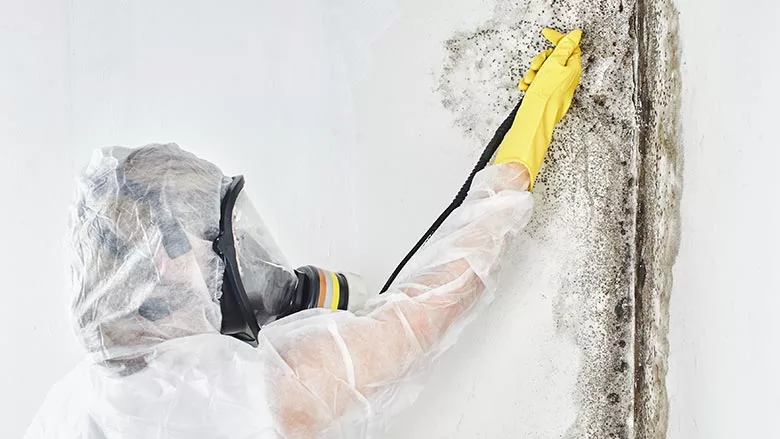
Odor Control: Everything You Need to Know
“I smell the smelly smell of something that smells smelly.” -Spongebob

In our industry, we face jobsite odor problems almost daily, and no matter how much experience we gain, how much training we get, or how many of these educational articles we read, controlling odors can still be a challenge. So, here’s a quick summary of the various odor control tools at your disposal and some tips and tricks I’ve picked up along the way to help you decide what tools to use and when to use them.
First Principles
- Understand the root cause of the odor. Sometimes this can be difficult, such as the case of a mystery odor where the cause is unknown. This is where your detective hat needs to be worn and put to use. The bottom line is if you can figure out the cause or source of the odor, you are going to be more successful in removing and/or controlling it… so do some investigation and find it.
- Remove the source. If the source of the odor is a thing or substance you can find, see, get access to, and remove… then this is quite easy. On the other hand, if the odor is somewhere you can’t see or get to, or if it’s the result of a process you can’t stop or modify, this step may not even be possible. This also gets a bit tricky when there are ongoing processes like forest fires that are still burning outside or pets that keep returning to give us repeat business.
- Remove the odor from ALL affected areas. Just because the source is removed or no longer producing odor it doesn’t mean the odor will go away on its own. Odor molecules in the airspace will still be there; likewise, the odor molecules that have bonded to or absorbed into building materials and contents need to be dealt with as well.
A hoarding job we did several years ago is an excellent example of why this is important. We moved everything out of a small condo, completely gutted it, treated it, sealed the interior, and rebuilt it. There was no odor but the smell of fresh paint and new carpet… until they moved the contents back in! Since the customer wouldn’t allow us to treat the furniture and decided to handle that on their own, the stank moved right back in with their stuff! - Try not to make things worse or kill anyone in the process. This is where the importance of really understanding the best practices and limitations of each of our many available odor control processes and technologies comes in. While we have more effective tools at our disposal than ever before, it takes some time and experience to fully understand how to safely and effectively put these tools and technologies to work.
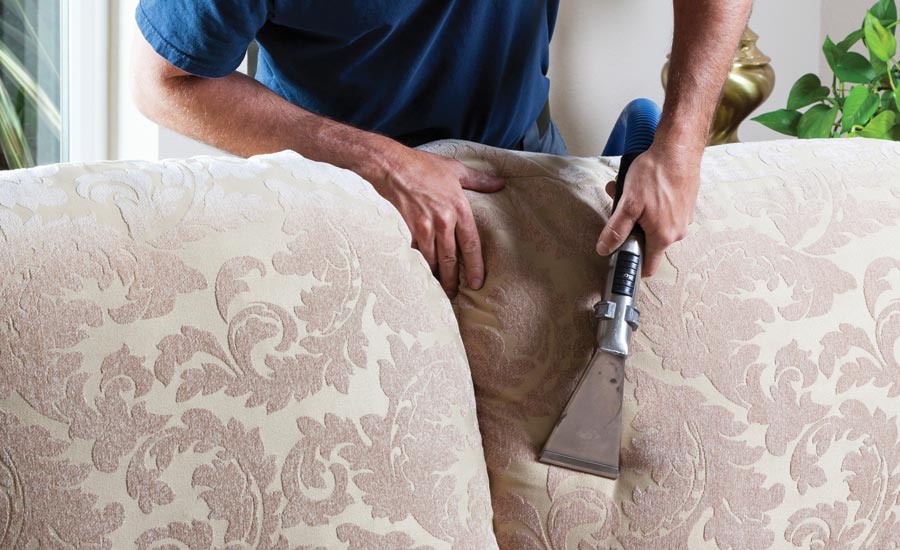
In our industry, we face jobsite odor problems almost daily, and no matter how much experience we gain, how much training we get, or how many of these educational articles we read, controlling odors can still be a challenge.
Most Commonly Used Technologies
Air exchange: If the odor molecules are in the air, why not toss out the smelly air? If weather and other conditions permit, it’s often fast and cheap to just exchange fresh outdoor air.
Cleaning: This is the foundation of source removal and a critical odor removal step if smelly residues have built up on surfaces or been absorbed into soft goods.
Heat: While we do this without thinking about it on most drying jobs, heat can be a good way for materials to give up their embedded odors and break apart various types of odors.
Odor Eliminators / Paring Agents /Odor Encapsulants: This is where new technology really starts to show its value. Without getting into the specific technologies and how they work, these products generally have no smell of their own, but can eliminate odors on contact. I recommend investigating the products sold by restoration suppliers and having one or more of these in your arsenal.
Oxidizers: Chemical compounds such as hydrogen peroxide, chlorine dioxide, and others are great at breaking apart odor molecules. They can be used to penetrate into materials like wood and breakdown the residues in the cleaning process. However, you need to be careful because you don’t want to risk injuring someone or damaging finished materials. These types of products come in both liquid and gas/vapor forms and have very different safety profiles depending on how you use them.
Ozone: This method has been used to deodorize contents and structures on fire losses for decades. Why? Because it works. However, it does have its drawbacks now that we understand more about the potential dangers to humans exposed to ozone, as well as potential damage to certain sensitive materials.
Looking for quick answers on restoration, remediation and cleaning topics?
Try Ask R&R, our new smart AI search tool.
Ask R&R →
Hydroxyls: Hydroxyl generators have quickly become standard equipment and if you don’t have them in your inventory, it’s time. They are able to quickly eliminate odors in the airspace as soon as they are running and are safe enough to work around. What I didn’t know until recently is that when used efficiently, which takes a little training and practice, they can be very effective on all aspects of most odor situations. Not all hydroxyl generators are created equal though, so be sure to read the independent research on each before buying.
Disinfectants: If the source of the odor is off-gassing from microbial metabolism (e.g., raw sewage, active mold growth, rotting, pet deposits, decomposing, etc)… killing the microbes can stop the source of the odor. It’s important to make sure the EPA-registered disinfectant you choose says “Tuberculocidal” on the label so you know it’s strong enough to do the job.
Enzymes/Bio: Another interesting way to treat odor problems is to use a product that contains enzymes and/or engineered bacteria. In my experience, these products are best for specialty jobs like long-term treatment of crawlspace sewage that has seeped into the dirt base. Another great application for this technology is pet urine deposits. There are very specific moisture, time, and temperature parameters that need to be maintained with these, so make sure you have all the information and understand the process.
Odor Counteractants: Many of the older technologies used to treat odors fall into this category. However, just because they may be older doesn’t mean that these aren’t an essential part of your odor-fighting toolbox. There is a wide variety of technologies that I’ve heaped into this category, but basically these cover, mask, or change the odor. They can be sprayed directly on surfaces, added to cleaning solutions, or fogged. The best ones are designed to break apart the odor molecules or bind with them. Some only add a scent. Be careful with that because sometimes when you add a smell to an odor, you end up with worse stink than when you started!
Fogging: Fogging is simply a method of applying odor control technologies. There are two types: ULV (cold) fogging/misting and thermal (hot) fogging. They are very different from each other. Many of the liquid products I’ve mentioned above can be applied to the air with a ULV fogger. Remember that any time you add something to the air, it adds a safety/liability concern. Thermal fogging burns a product to create a type of smoke so only use products in a thermal fogger that are specifically created for thermal fogging.
Absorption/Adsorption: Instead of adding a substance to the environment to deal with odors, you can use a technology that pulls the odors out. We’ve been using activated charcoal filters for many years to pull odors out of the air. They are inexpensive and work well, but you need to know their limitations. New tech like the proprietary OdorKlenz-Air Cartridges and Zeolites can grab an even wider range of odor molecules and pollutants in the air.
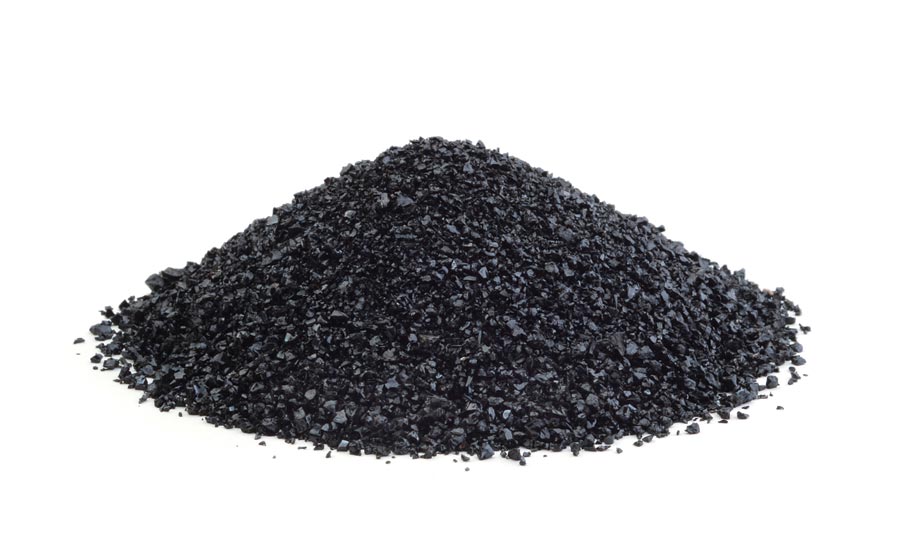
We’ve been using activated charcoal filters for many years to pull odors out of the air.
Sealing: There may be situations where following the principles and using the treatments above are not enough or you need to be doubly sure the odor control is permanent. One example might be heavy fire damage, resulting in odors deeply imbedded into wooden structural materials. To prevent odors from later working their way out of the materials, one option is to paint an odor sealer product on the surface. For this to work, you need to select a product specifically designed for this purpose and apply it thick enough and according to the manufacturer’s directions. Remember that sealing is going to work best after you have properly treated the odors with the appropriate odor treatment method. Sealing should be the last step used, and is becoming less necessary as industry professionals learn how to more effectively use the many odor control technologies now available.
As you can see, there are many great methods for handling those tough odors we all encounter. You may be familiar with a method that has worked for years, but challenge yourself to explore some other options that may be safer, faster, or more cost effective. …that’s what professionals do.
Looking for a reprint of this article?
From high-res PDFs to custom plaques, order your copy today!