Restoration logo
search
cart
facebook twitter linkedin youtube
  • Sign In
  • Create Account
  • Sign Out
  • My Account
Restoration logo
  • NEWS
  • PRODUCTS
    • New Products & Technologies
    • Submit Your Product
    • Interactive Product Spotlights
  • EDUCATION
    • KnowHow.
    • Podcasts
    • Trade Shows & Expos
    • Training & Certification
    • Webinars
    • Whitepapers
  • TOPICS
    • Water Damage
    • Fire & Smoke Damage
    • Mold
    • Contamination
    • Odor
    • Contents
    • Architecture
    • Catastrophe
    • Cleaning
  • BUSINESS
    • Managing Your Business
    • Insurance/Legal Matters
  • BUYER'S GUIDE
  • VIDEOS
    • Ask the Expert
    • TradeTalks
    • Video Channel
  • THE EXPERIENCE
    • Convention & Trade Show
    • R&R Special Issue
  • EMAG
    • eMagazine
    • Archive Issues
    • Contact
    • Advertise
  • SIGN UP
Mold Remediation

The Impact of Building Age, Material on Mold Risk
By Ben Wilson
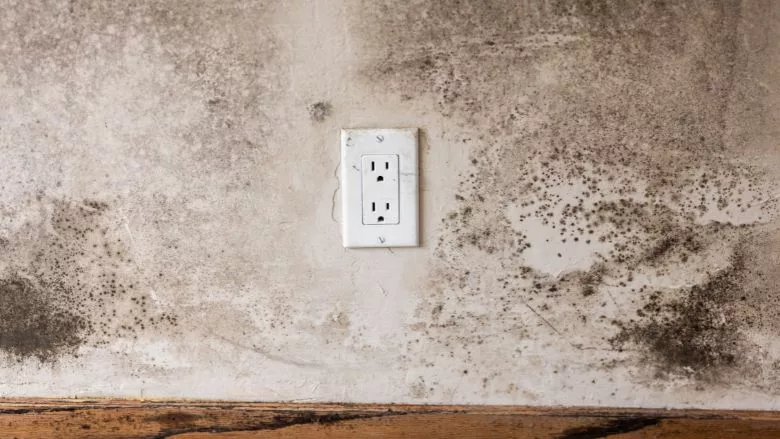
Home Mold Remediation
Credit: JasonDoiy / iStock / Getty Images Plus

Credit: JasonDoiy / iStock / Getty Images Plus

March 27, 2015

The initial impression of a house being inspected for mold is most likely going to be the apparent age of the home and the materials used to construct it. Many would normally assume that old homes, with their aging building materials and prolonged exposure to the elements, present a higher risk for interior mold growth than newer buildings. In some cases, this may be true. Homes built in the 70’s are often found to have poor ventilation and air circulationin certain rooms or floors, and stagnant air can be the catalyst that turns a condensation issue into a mold problem. However, because of the particular building materials and architectural designs common in the new houses cropping up today, it really does seem that older is better when it comes to having fears of mold in the home.

Building Materials: Food for Mold

Like anything else living in this world, mold needs water and mold needs food to eat. In this case, mold’s meal of choice is either the walls of the home in question or the dust that has collected on them. Of course, some walls provide a better environment for mold growth – it can just be a little surprising to learn that many of us are building our homes with more mold-friendly materials than 50 years ago.

Moisture breeds mold, yet the building materials of a home can absorb and store a certain amount of water before they reach a saturation threshold. Until this point, water will not condense or collect in puddles, so mold will likely not be a problem. What’s important to know is that different building materials hold water at different levels. Here is a quick rundown of common building materials and their susceptibility to mold:

  • Solid Lumber: Common in old buildings, solid lumber made from heartwood rather than sapwood (older, more resistant to decay) can hold a significant amount of moisture before condensation occurs.
  • Sheathing Plywood: Created by fusing strips of mainly sapwood, plywood cannot hold moisture as well as solid lumber. The “buffer capacity,” or the saturation threshold of sapwood is lower than that of heartwood, making plywood less adept at avoiding mold.
  • Particleboard & MDF: Made from completely ground down sawdust, fungi are often drawn to any underlayment and flooring built from particleboard and medium-density fibreboard.
  • Paper-faced drywall: Nearly commonplace in new homes, the paper that we lace our interior walls with holds virtually no moisture and takes the cake from the other materials for the most susceptible to mold growth.

A home built from solid lumber is the most mold-safe wood home to live in, but what about the old brick-and-mortar establishments?

Brick is king, but only if it’s done right

Bricks are like sponges when compared with other building materials. It is a rare sight to find a 100-year-old house built by brick masons that has water and mold problems. However, this is not due to perfect, leak-proof walls. Brick will always leak water in some capacity, that much is unavoidable. But it is the way in which brick foundations are built that determines whether water leaks will lead to something worse.

According to Tim Carter from askthebuilder.com, brick homes will leak unless the following precautionsare taken:

  • Brick is laid in a way that protects the wood framing of the house from getting wet.
  • The structure collects all water that leaks through the walls.
  • All of this collected water is redirected back to the exterior as quickly as possible.

Unfortunately, bricklaying industry standards have notably diminished since those early 20th century golden days, and an increased risk for leaks in a brick foundation mean a newer brick home may pose just as high a mold risk as any other new home.

Building age is a restoration professional’s first clue

 If you are inspecting a home for mold or water damage, your biggest clue is directly under your nose the moment you arrive on the property. How old is the building and what was it constructed of? These are important questions to answer straightaway so that every step of the inspection process– locating mold, identifying the water source, moving forward with remediation – can be based on sound information. 

KEYWORDS: mold mold remediation

Share This Story

Looking for a reprint of this article?
From high-res PDFs to custom plaques, order your copy today!

Ben Wilson is a Marketing Assistant at Moldman, a mold removal and water damage business with locations in Chicago, St. Louis, Kansas City, Oklahoma City, and Tulsa.

Recommended Content

JOIN TODAY
To unlock your recommendations.

Already have an account? Sign In

  • mold remediation

    Fighting Mold and Bacteria Damage

    Successful mold remediation can be multidisciplinary,...
    Contamination Restoration & Remediation​
    By: Josh Woolen
  • certifications and licenses for restoration professionals

    Certifications and Licenses Every Restoration Company Needs

    Restoration companies need to make sure they have the...
    Restoration Training/Education
    By: Sharon Elzarat
  • a wall covered in moss and fungus

    Zero Tolerance for Toxic Molds: Essential Steps for Successful Remediation

    Understanding the importance of zero tolerance for toxic...
    Mold Remediation
    By: Michael A. Pinto CSP, SMS, CMP, RTPE, FLS, ERS and Kendra Seymour
You must login or register in order to post a comment.

Report Abusive Comment

Manage My Account
  • eNewsletter
  • Online Registration
  • Subscription Customer Service
  • Manage My Preferences

More Videos

Popular Stories

Ask the Expert - Margin vs. Markup: The Costly Confusion in Restoration

Why Understanding Markup, Margin and Overhead is Critical for Restoration Success

mold spores

Mold and Mental Health: The Dual Crisis Facing Indoor Environmental Remediation Teams

calculating profits

How Poor Documentation and Manual Billing Quietly Erode Restoration Profits

2025 Technician Award winner - Congratulations, Kaylin Glaspie!

Events

January 20, 2026

INTRCONNECT

Dive into the latest trends, innovations, and best practices shaping the future of property insurance and restoration.

April 27, 2026

RIA Convention & Expo

This event empowers professionals through world-class education, powerful networking, and access to cutting-edge tools and services.

View All Submit An Event

Poll

Technology Innovations

Which emerging technology do you believe will have the biggest impact on restoration work in the next 5 years?
View Results Poll Archive

Products

The Cleaning, Restoration, Inspection, and Safety Glossary

The Cleaning, Restoration, Inspection, and Safety Glossary

The Cleaning, Restoration, Inspection, and Safety Glossary.

See More Products
Prepare for CATASTROPHE with R&R!

Related Articles

  • Mold and Mycotoxins – Definitions, Function and Impact on the Environment

    Mold and Mycotoxins – Definitions, Function and Impact on the Environment

    See More
  • home insurance

    The Impact of Natural Catastrophes and Inflation on Home Insurers in Texas provide challenges, but also opportunities.

    See More
  • technology

    The Impact of Technology on Cleaning: Revolutionizing Cleanliness

    See More

Related Products

See More Products
  • secrets-of-insurance-game.jpg

    Secrets of the Insurance Game

  • Water in Buildings: An Architect's Guide to Moisture and Mold

See More Products

Related Directories

  • Rytech Restoration of the Midlands

    No one plans for the destruction caused by water, fire or mold, but when it happens, the team at Rytech Restoration of The Midlands is here to help. Our certified specialists provide 24/7 emergency service to get you and your Columbia SC home or business back to normal as quickly as possible. From residential homes to commercial buildings, we specialize in mold remediation, water damage restoration, and fire and smoke damage cleanup. Our live specialists are ready to answer your questions and dispatch a local specialist to your door. Schedule a free inspection and estimate today!
×

Stay ahead of the curve with our eNewsletters.

Get the latest industry updates tailored your way.

JOIN TODAY!
  • RESOURCES
    • Advertise
    • Contact Us
    • Directories
    • Store
    • Want More
    • Submit a Press Release
  • SIGN UP TODAY
    • Create Account
    • eNewsletters
    • Customer Service
    • Manage Preferences
  • SERVICES
    • Reprints
    • Marketing Services
    • Market Research
    • List Rental
    • Survey/Respondent Access
  • STAY CONNECTED
    • LinkedIn
    • Facebook
    • Instagram
    • YouTube
    • X (Twitter)
  • PRIVACY
    • PRIVACY POLICY
    • TERMS & CONDITIONS
    • DO NOT SELL MY PERSONAL INFORMATION
    • PRIVACY REQUEST
    • ACCESSIBILITY

Copyright ©2025. All Rights Reserved BNP Media.

Design, CMS, Hosting & Web Development :: ePublishing