Historic Theater Restoration Revives Indiana Landmark
A two-year-long renovation blends history, design, and modern restoration to fully restore the Liberty Theater.
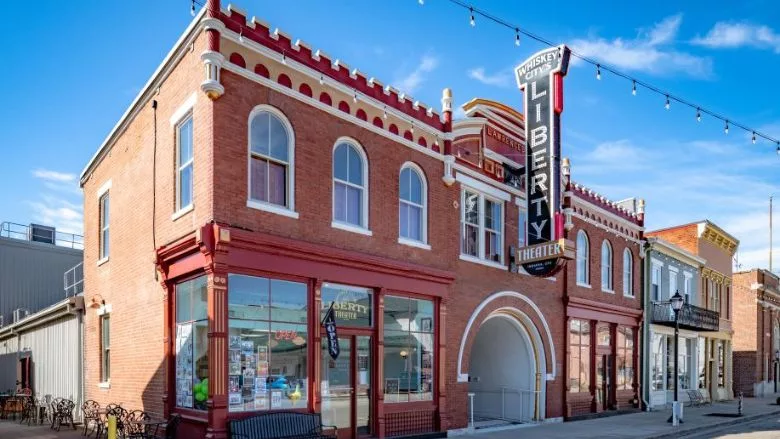
The history of Liberty Theater in Lawrenceburg, Ind. is rooted in music. A two-year restoration project of the structure built in 1893 helped propel that legacy forward for the foreseeable future.
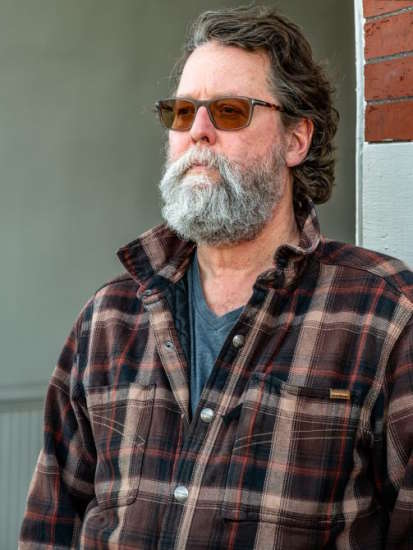
Working with Drawing Dept. architects, building owner Dan McCabe set upon his vision to re-connect the community landmark to its musical past. Originally built by German immigrants, the Lawrenceburg Liedertafel kept the community’s old-world traditions alive with music, singing and copious amounts of beer until prohibition and movies forced a name change and the switch to visual entertainment.
Credit: George Paxton/Snappy George Photography
The building survived floods of the Ohio River and was eventually converted to several storefront businesses before ultimately sitting vacant for nearly 40 years. The city of Lawrenceburg decided to restore the theater and selected McCabe, a long-time music promoter, to spearhead the project.
“These buildings were the center of these neighborhoods,” McCabe said. “It’s where people would get together and share experiences long before television. I guess I’m a romantic of sorts, and I like history. I really love the idea that rock and roll can save these 100-plus-year-old historic theaters and give them back to the communities.”
The $4.75 million renovation of the 13,455-square-foot building delivered a 450-person concert venue, whiskey bar, dining area and new life to a long-neglected community hub.
A Renovation Project Rooted in Authenticity
McCabe’s overarching objective sought authenticity. Every material choice looked to honor the building’s legacy while also delivering the functionality needed for a contemporary music venue.
“Authenticity was the north star,” McCabe explained. “I didn’t want to stamp something onto the room or onto the building. I wanted to restore and preserve wherever we could. We took original elements and kept them as frequently as we could.”
Looking for quick answers on restoration, remediation and cleaning topics?
Try Ask R&R, our new smart AI search tool.
Ask R&R →
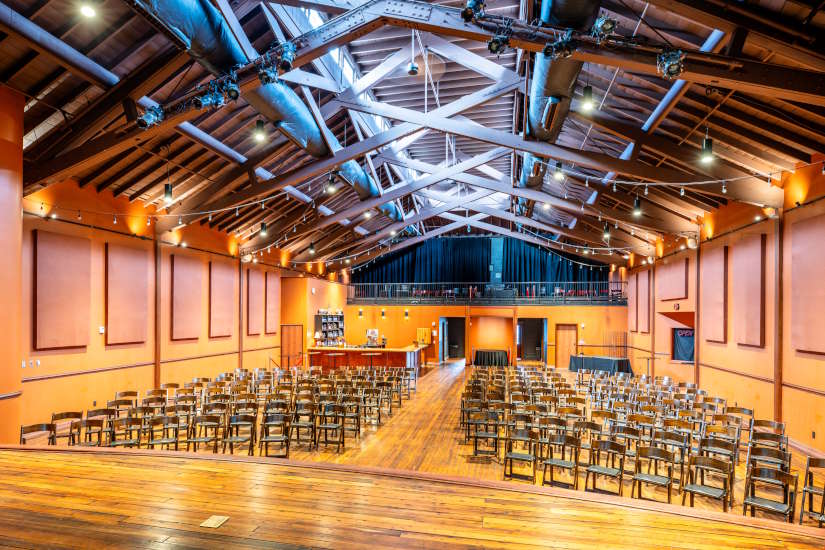
Kevin Kluender, lead architect on the project for Drawing Dept., said the firm’s strategy focused on keeping new equipment and partitions to the edges of the building and allowing the historic theater space to remain rooted in the building’s past. “We tried to allow the historic theater space to remain largely intact, a singular space that would form a connection throughout history, something that was nearly recognizable to 19th-century inhabitants.”
Credit: George Paxton/Snappy George Photography
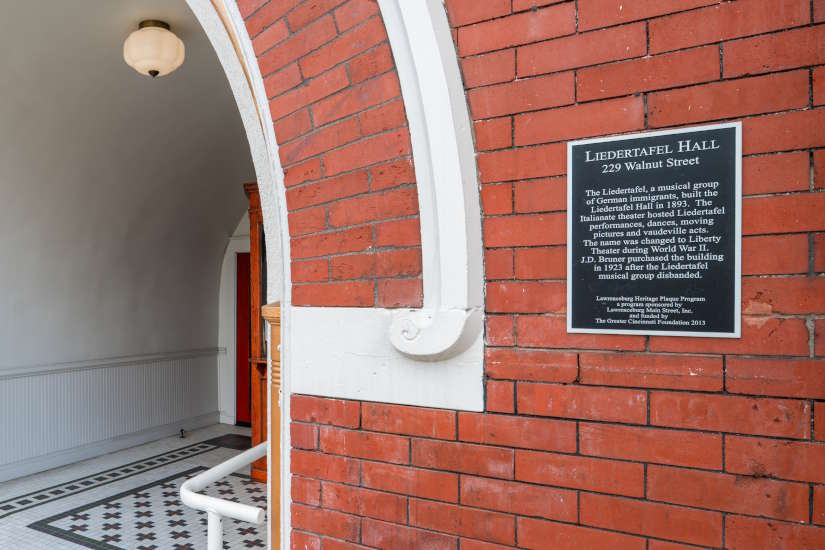
Elements that harken back to the building’s roots include clerestory windows, which are designed to flood interiors with natural light. Along with an open ceiling, the design creates an airy, light-filled atmosphere. The arched entrance vestibule includes the building’s original ticket booth, and the path from the vestibule through the lobby features a Victorian tile pattern that is similar to what designers featured in the late 1800s. The wood roof, old growth wood flooring and cast-iron and metal façade work are other elements that are part of the building’s unique heritage.
McCabe tackled the labor-intensive process of restoring the ticket booth. After stripping several layers of paint, McCabe applied 10 coats of varnish, sanding between each coat. “I used the same process and products that I used to restore historic wood boats,” McCabe said.
“The building has gone from a somewhat overrun building to a fully modern facility with air conditioning and plumbing and all the things modern venues are expected to have, but we also retained a lot of the historical aspects from the 1880s,” Kluender said. “It was important to Dan that we kept the building’s character.”
“These buildings were the center of these neighborhoods. It’s where people would get together and share experiences long before television. I guess I’m a romantic of sorts, and I like history. I really love the idea that rock and roll can save these 100-plus-year-old historic theaters and give them back to the communities.”
—Dan McCabe
Architectural and Construction Challenges
While McCabe’s concept was clear, the work to restore the building and add critical updates posed architectural and construction challenges.
The Ohio River meanders through Lawrenceburg, and floods have breached buildings multiple times. In 1937, floodwater crested at 82.6 feet. Water remained in the city for two weeks, as 365 homes were totally swept away and 300 more were moved from their foundations.
“There’s not as much flooding now, but it created very unstable soil conditions and the building starts to rack and twist unpredictably,” Kluender explained. “There were no straight or plumb lines in the building. As construction started, we started seeing trusses that were splaying eight inches at the top of the building.”
Architects and construction teams also faced the additional challenge of creating space for mechanical equipment and fixtures that were not included in the original building. Architects could not even determine if the original building included bathrooms.
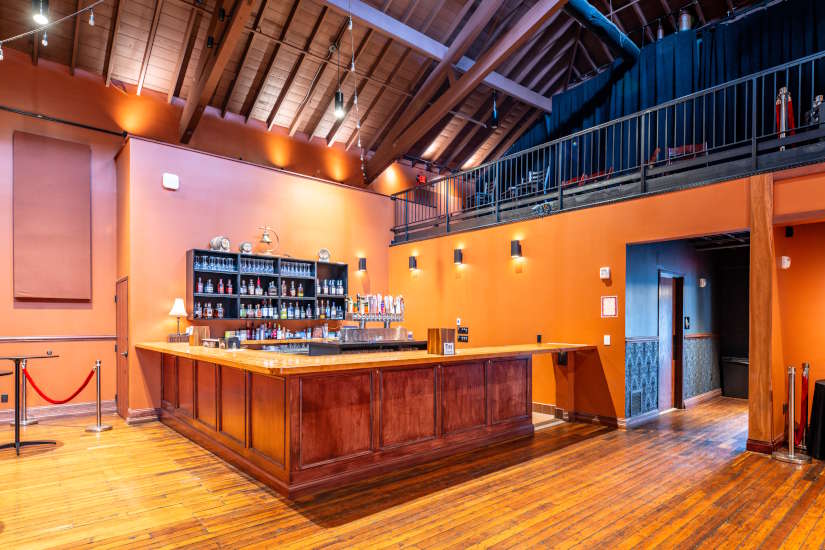
The new design also needed to develop distinct spaces into one storefront. The refurbished music hall is the centerpiece of the project, and a whiskey bar and a carryout kitchen with separate entrances enable customers to visit the venue if no entertainment is scheduled.
Credit: George Paxton/Snappy George Photography
Unique Details of the Liberty Theater
Several additional features add to the uniqueness of the project.
As a music promoter, McCabe looked to provide features that would enhance the space for performers. Kluender and his team designed sound rooms, private spaces, and a green room to relax and unwind. A second-floor projection room was converted to a performer’s lounge, preserving the characteristic camera apertures. Restrooms and a sound booth shelter the theater from the street while providing an opportunity for a mezzanine with VIP views of every show.
“We wanted a theater that was welcoming and supportive of artists who are playing there,” Kluender said. “You want to make it feel like a first-class venue for performers and having them treated well and feeling comfortable was very important.”
“The sound of the room was all theory while we were creating it,” McCabe noted. “Acoustics are very important to a performance venue. Multiple factors were considered including finishes, shapes, textures and when considering impact on the sound of the room. For example, the theater basement was left with its original dirt floor, instead of finishing with concrete, for the dirt's sound absorption capability. It was worth the effort. The room sounds fantastic and everybody comments about that.”
McCabe also looked to develop a 20-foot blade sign for the theater, and it extends over the roof line and makes the theater an easily identifiable town landmark.
Drawing Dept.’s design team also placed a priority on specifying mechanical equipment and components that delivered longevity and critical functionality. One of those features was a roof hatch manufactured by BILCO that allows access to equipment for repair and replacement. BILCO’s Bil-Guard roof hatch safety railing system was also included in the project, providing a permanent means of fall protection from the roof opening.
“BILCO is widely recognized when it comes to access equipment,” Kluender said. “We get great service and great representation in terms of buying them and procuring them. We never had a reason to look at anybody else.”
Credit: George Paxton/Snappy George Photography
Warm Reception
The renovation combines history, art and modern fixtures and technology that enhance the experience for audiences, performers and dining guests. “It has gone from a somewhat overrun building to a fully modern facility,” Kluender said. “We retained a lot of the historical aspects from the 1880s, and incorporated the new materials. We definitely wanted to make sure we kept the character of the original building.”
After the building was vacant for such an extended period, McCabe was uncertain how the community would respond to his business venture. Since its opening, customers have flocked to the theater and embraced the unique concept of music, food and cocktails in a venue steeped in history.
“I take great joy when folks are here for the first time,” McCabe said. “On show nights, the doors open, folks will come wandering in to explore and I get to live that moment over and over again through their eyes and feel that sense of discovery and excitement and wonder. It’s a fun entertainment complex, with all kinds of nooks and crannies that our patrons are able to explore.”
Looking for a reprint of this article?
From high-res PDFs to custom plaques, order your copy today!