Cutting Through the Smell: Why Odor Removal Defines Real Restoration
Why odor removal is the final and most emotional step in restoration
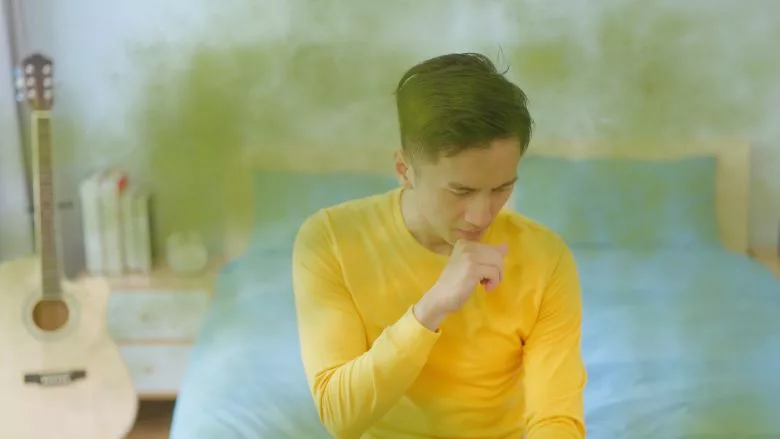
In restoration, I’ve learned that what you smell often matters just as much as what you see. A home can be spotless, walls freshly painted and floors cleaned, but if the air still carries smoke, must or pet odors, the job is not finished. Odor is stubborn. It lingers in ways clients never forget, and it’s often the first thing they notice when they walk back into their property. Over the years, I’ve come to view odor removal as one of the most critical parts of the restoration process, as opposed to just an add-on service.
Odor as a Clue
We always remind our teams of one key point: odor is never the problem itself; it’s a symptom of a deeper issue. There’s always something behind the odor, whether it’s from microbial growth caused by water damage, smoke particles trapped in drywall, food grease in a commercial kitchen or pet urine absorbed into subflooring materials.
I have been to countless homes where people tried everything to mask the smell, from candles to plug-in air fresheners. For a few hours, it might feel like progress. But the odor always returns, often stronger than before. That is because you cannot mask it away. You must find the source and remove it physically.
Tools That Actually Work
When I first started in this business, a lot of deodorization applications covered up smells with pairing and masking agents. Thankfully, the industry has moved forward quite a bit since then. Now, we have tools that actually work at the molecular level.
Thermal fogging is one of my go-to applications, if the project allows. Thermal Fogging recreates how smoke originally spreads, letting us deliver neutralizing agents into the same hidden pockets. Other methods of deodorization are the use of Ozone and hydroxyl generators, which can break apart odor molecules entirely rather than just disguising them. HEPA Filtration Devices (AFDs), also known as air scrubbers, pull particles out of the air that contribute to both poor smell and poor air quality.
The technology is there, but it only makes a difference if you know how to use it properly. Odor removal is not about running a machine for a set number of hours. It’s about understanding the building makeup, identifying the source and then matching the right method to the problem.
Inside Homes: More Than Comfort
In residential restoration, odors strike on a deeply emotional level. I’ve guided families back into their homes after a fire, and even when the walls were rebuilt and the floors replaced, the lingering smell of smoke made it feel like the disaster had never truly ended. The same is true for musty odors left behind after water damage or persistent pet smells that never fully fade.
Looking for quick answers on restoration, remediation and cleaning topics?
Try Ask R&R, our new smart AI search tool.
Ask R&R →
Restoration isn’t just about repairing structures; it’s about restoring peace of mind. A home should feel safe, clean and welcoming, and lingering odors take that away. That’s why we believe odor removal is just as essential as replacing drywall or cleaning carpets.
In Businesses: Where Smell Meets Reputation
Commercial properties present a unique challenge when it comes to odor. It’s more than a comfort issue; it’s a reputation issue. I’ve seen restaurants where the smell of grease traveled from the kitchen into the dining area, or hotels where even a faint smoke odor in one room triggered negative online reviews. In office spaces, musty odors from HVAC problems frustrate employees and impact productivity.
For businesses, the stakes are higher because odors translate directly into lost revenue. Customers may not complain, but they often don’t return. Employees may not speak up, but they notice. That’s why, when handling commercial projects, we prioritize eliminating odors quickly and with minimal disruption. Businesses can’t afford downtime, so we build solutions that allow them to stay open while we work.
The Human Side
Even with the best technology, odor removal comes down to people. Skilled technicians make all the difference. You need people who know how to trace an odor back to its source and who can explain to a client what is happening and what to expect.
From what I’ve seen, being upfront matters just as much as the end result. People want to know what’s causing the smell, how you’re fixing it and why it’s not going to come back. When you take the time to walk them through it, you’re not just getting rid of the odor; you’re earning their trust.
Looking Ahead
I believe odor removal will only become more important in our field. Since the pandemic, people are more conscious of indoor air quality than ever before. They expect a clean, healthier space that smells clean, too. And they do not just want quick fixes; they want safe, sustainable solutions that do not introduce new chemicals into their homes or businesses.
Our industry is evolving with greener methods and advanced technology, and that’s just the beginning. The more we approach odor removal as a science rather than guesswork, the more we elevate the entire standard of odor restoration. It’s not just progress; it’s shaping the future of how we restore homes and businesses.
The True Measure of Restoration
For me, odor removal is the true test of whether a restoration job is complete. If the smell is still hanging around, the work isn’t finished; it’s that simple.
Restoration is more than fixing walls or cleaning carpets. It’s about giving people back their homes and businesses in a way that feels fresh and safe. Part of that is making sure the air they breathe doesn’t carry reminders of what they’ve just gone through.
When the odors are gone, that’s when a space finally feels whole again.
Looking for a reprint of this article?
From high-res PDFs to custom plaques, order your copy today!