Hurricane Season 2025 – Preparation, Property Risks and Emergency Planning
Proactive planning now can reduce damage, protect lives and speed up recovery this hurricane season

Photo credit: Streetoncamara / iStock / Getty Images Plus
As hurricane season begins across the East Coast, we are reminded of the critical importance of preparation. The Atlantic hurricane season officially runs from June 1 through November 30, and 2025 is expected to be an above-average year, according to forecasts from the National Oceanic and Atmospheric Administration (NOAA). Early preparation will be key in reducing the risk to both property and people.
High-rise residential buildings, senior living facilities or commercial complexes can act now to protect their assets, ensure operational continuity and prioritize occupant safety.
It’s More Than Just Wind
The primary association with hurricane threats is primarily the high winds, but upon closer historical examination, the most destructive force is water. While wind damage and blowing debris can compromise roofing, windows, doors and façades, flooding can affect basements, mechanical rooms, parking garages and the access/viability of garden units.
This type of water intrusion, without emergency care, can result in structural damage, tenant displacement and the need for major, unplanned renovations.
So, is your property prepared, and are your tenants prepared? Preparedness begins well before the storm starts, and proactive measures will minimize vulnerability and lost rents.
1. Review and Update Emergency Plans
Every property should have a comprehensive emergency response plan that includes:
- Evacuation routes and procedures
- Shelter-in-place protocols for buildings not in flood zones
- Communication trees for staff and residents
- Roles and responsibilities for maintenance, security and management staff
Ensure all residents and employees are aware of the plan and copies are readily accessible in common areas and available digitally.
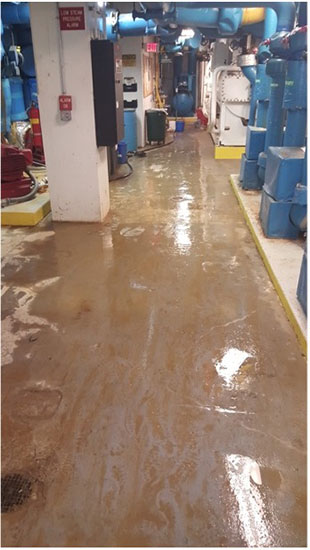
Photo Credit: New Crystal Restoration
2. Exterior Inspections
- Roof membranes, flashing and drainage
- Windows and doors, ensuring proper seals and stability
- Façade integrity and loose exterior materials. Secure awnings and panels
- If exterior damage is found or repairs are overdue, prioritize those projects early in the season
3. Secure Public Outdoor Areas
- Have a plan and employee to remove or anchor outdoor furniture, planters and signage before the storm hits
- Trim trees and overhanging branches near buildings and power lines
- Ensure storm drains and gutters are clear of debris
4. Test Critical Systems
- Confirm backup generators are serviced, fueled and tested under load
- Check sump pump operations
- Test fire and life safety systems such as alarms, emergency lighting and sprinkler systems
- Understand shutdown procedures and protocols for elevators during a storm and post in a conspicuous location
5. Emergency Supply Readiness
Both residents and staff should have access to or be encouraged to assemble:
Looking for quick answers on restoration, remediation and cleaning topics?
Try Ask R&R, our new smart AI search tool.
Ask R&R →
- Flashlights and batteries
- Potable water and non-perishable food for a minimum of 72 hours
- First aid kits
- Communication devices such as radios, chargers, and backup batteries
- Medications and critical medical supplies
- Important documents should be digitally stored or in waterproof containers
Additionally, property managers should ensure that emergency supplies such as tarps, sandbags, barricades and wet/dry vacuums are stocked and accessible to maintenance personnel.
Clear and consistent communication before, during and after a hurricane can reduce panic and confusion:
- Use automated text/email platforms to push updates
- Post signage in high-traffic areas such as lobbies and near elevators
- Designate a staff member as the point of contact for questions and concerns
- Stay connected with local emergency management for weather alerts
- If your property houses vulnerable populations, seniors or individuals with limited mobility, create a specific check-in and support system to ensure their safety
Once the storm has passed, property managers should conduct a preliminary assessment with safety as the top priority; following these initial actions will ensure a quick return to normalcy.
- Document all damage with photos and video — before any cleanup begins
- Check for downed power lines, gas leaks or standing water
- Call emergency restoration services to tarp damaged roofs and board up broken windows, and remove standing water to prevent further loss
- Notify insurance carriers as soon as damage is confirmed
- Begin remediation efforts immediately to reduce the risk of further structural damage and mold
Looking for a reprint of this article?
From high-res PDFs to custom plaques, order your copy today!