Preventing Moisture in Schools During Summer
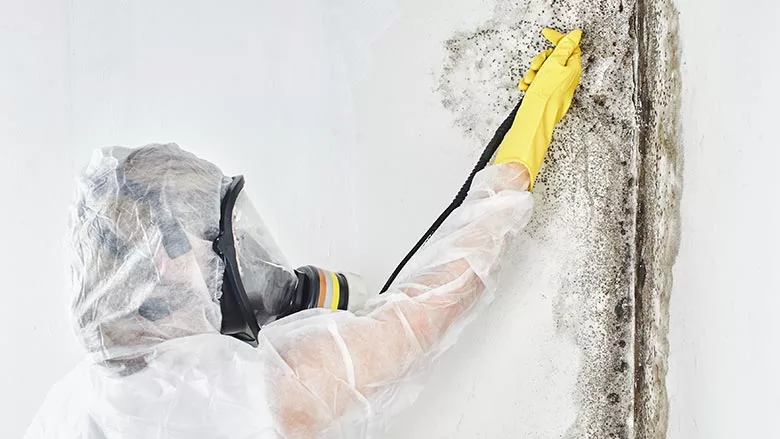
Whether a school is under construction or unoccupied during the summer break, it likely is without an HVAC system to help control moisture. Without humidity control, school buildings can become a breeding ground for mold and mildew.
The moisture content in a school’s building envelope can provide the medium that mold needs for incubation and growth. Whether a school is under construction or unoccupied during the summer break, it likely is without an HVAC system to help control moisture. Without humidity control, school buildings can become a breeding ground for mold and mildew.
Risks exist whenever moisture is present at sufficient levels to allow mold to take hold. That level of moisture can result from excessive humidity, condensation or water damage. Humidity often is an unseen and undetected culprit in mold germination. Most HVAC systems are designed to bring in outside air as a requirement to enhance indoor air quality. In so doing, it is natural that, in most climates, moist air will be drawn into the building.
Relative humidity levels above 70 percent pose a threat to any structure because moisture conditions will sustain mold formation. Such high levels of humidity are common when mechanical systems are shut down.
The situation is exacerbated when custodial and maintenance departments tackle summertime cleaning and repair projects that they couldn’t conduct with classes in session. Typically, this work includes deep cleaning carpets and stripping and waxing floors, which creates moisture and introduces Volatile Organic Compounds (VOCs) to the indoor air.
With the internal HVAC system off or running intermittently to save on energy costs, custodians must seek alternative ways to cool and ventilate the building. This is often accomplished by opening the facility’s windows and doors to increase air flow. However, in hot and humid conditions, this process introduces additional moisture into the building. Consequently, when the building is closed after work each evening, all of the VOC’s and humidity are consequently trapped in the building.
Finding a Solution
Controlling humidity requires some form of dehumidification. The most effective way to control a high-humidity environment is to employ a dehumidification system that delivers low humidity air and removes moisture without the need to run costly chiller systems designed to run a fully occupied building.A humidity control company will deliver the portable rental units to the site on trailers and work with the school district to set up the equipment near the school’s mechanical room. Temporary overhead ductwork or layflat is utilized to distribute dehumidified and cooled air throughout the structure, precluding any reliance upon the HVAC distribution system. The amount of dehumidification and cooling will be determined by a variety of factors, but mostly is affected by the overall cubic feet of air space being controlled.
When a room is filled with dry air, which has low vapor pressure, trapped water migrates outward and is evaporated from the surface by the dry air. This technique establishes and maintains proper humidity levels that stabilize the interior environment.
In addition to comfortable indoor conditions, utilization of an energy-efficient cooling and desiccant dehumidification unit leads to cost savings if the school can provide house power. That’s because electricity consumption costs for these units will be less than running the school’s in-house equipment.
Preparing for Summer Storms, Flooding
The second major threat to a structure is excess moisture that results from any source ranging from pipe or equipment leaks to flooding due to extreme weather.In such cases, quick action is required to dry affected materials and areas of the building to preserve good indoor air quality. The longer the water flows or wet conditions are allowed to exist, the greater the recovery problem becomes. A water damage consultant must come in immediately to survey the situation.
If a school has been severely water damaged, portable high volume desiccant dehumidifiers are required. Some larger units can pull 800 gallons of water out of a building in one day, compared to the typical small refrigeration units that remove about five gallons a day.
Mold and mildew grow rapidly in damp, humid environments, leaving behind an unpleasant smell that permeates floors, walls and ceilings, even after the water has been removed. It also can create health problems for occupants. To minimize damage and costs, school maintenance managers should think ahead about what to do in a water damage event and contact a water damage expert to create a Disaster Recovery Plan.
Creating a moisture management plan that deals with a building from construction through unoccupied times will prevent costly mold problems, and save energy by avoiding operating mechanical systems. Monitoring humidity conditions and responding to water events quickly as part of a moisture management plan will further reduce any risk of mold.
Moisture control during summer, even if the building is not occupied, is essential to prevent mold growth and other IAQ issues. Use of rental desiccant dehumidification systems can lead to energy savings, improved indoor air quality, and a more productive work environment. School officials would be wise to rethink their HVAC strategy during summer break to prevent expensive remediation and clean-up.
Looking for a reprint of this article?
From high-res PDFs to custom plaques, order your copy today!