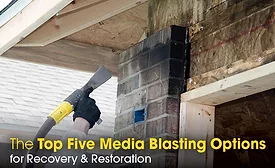
In the disaster recovery and restoration world, the media used for blasting is determinative to project outcome. Many historic buildings have delicate surfaces that often require a softer media. In the cases of disaster recovery, how to remove soot, coal, char and other unwanted items without damaging the structure has always been the center of discussions.
BNP Media, parent company to the magazine you’re reading now, annually asks readers in each of its AEC and mechanical system publications to list what they most want to see more of. What consistently tops that list is new technology, which is understandable given how technology can help make projects and the process of completing them easier and more efficient.
A recent anniversary – 21 years in the business – was announced by my business-related social network computer program. Of course, I realized that the milestone – completing my second full decade in the restoration industry - was approaching, but I didn’t realize that the programmers at LinkedIn would announce it to my entire business and social network.
Smoke damage restoration is one of the primary services of our industry. Many projects are fairly cookie-cutter while others require more effort to execute.
It seems like only yesterday that I first saw abrasive media blasting in use on an architectural restoration job – a fire-damaged, limestone church in central Illinois.
Drop me in any city around the world – Amsterdam, Berlin, Quebec, Rome, Zurich – and I’ll end up in the oldest, most historical district that burg has to offer.
On the morning of Wednesday, January 30, the night watchman at Cleveland’s historic West Side Market called 911 and reported a fire from inside the building.
When dealing with a commercial water damage scenario, getting the water out can be the least of your problems. Having great drying equipment and a well-trained staff will take care of the water, but the logistical and financial obstacles will most often be your biggest challenges.