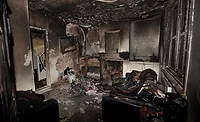
Don’t Skip the Water Damage Inspection This Summer
A hidden leak can kill a deal. Here’s why home buyers and sellers need water damage inspections this season.

Photo credit: GregorBister / E+ via Getty Images
This time every year is always one of the busiest times for the real estate market. The weather warms up, families look to make moves before the next school year and listings flood the market. Whether you’re buying or selling a home this season, it’s easy to get caught up in the momentum. But there’s one crucial inspection that too often gets overlooked — until it’s too late.
I’m talking about water damage.
I’ve seen firsthand how water damage, even in its earliest and most invisible stages, can derail home sales, create unexpected costs and pose long-term problems for homeowners. That’s why I want to emphasize this: a professional water damage inspection should be non-negotiable this spring, especially in areas prone to seasonal storms, fluctuating temperatures and aging infrastructure.
Why Spring Is Prime Time for Water Damage Concerns
Winter may be over, but it often leaves behind a hidden trail of destruction. Freeze-thaw cycles, ice dams, snow melt and shifting foundations can create or exacerbate vulnerabilities in a home’s structure. When spring rains arrive, those vulnerabilities can turn into full-blown issues.
Cracks in the foundation, compromised roof flashing, blocked gutters and poor drainage around the home can all contribute to water intrusion. And because water damage tends to be slow and silent, many homeowners don’t even realize there’s a problem until it shows up as mold, warping or musty odors.
This spring, especially after an intense or wet winter, it’s critical to assess a home’s condition with a water damage lens. Sellers might assume their home is in great shape, only to have an inspection reveal moisture under the floors or microbial growth in the walls. Buyers may fall in love with a property that looks beautiful on the surface but hides expensive issues just beneath.
What Buyers Should Watch For
From a buyer’s perspective, a water damage inspection is about protecting your investment and making sure you know exactly what you’re walking into. General home inspections are valuable, but they don’t always go deep enough when it comes to moisture detection. That’s where a specialized water damage inspection comes in.
Looking for quick answers on restoration, remediation and cleaning topics?
Try Ask R&R, our new smart AI search tool.
Ask R&R →
Here are a few red flags buyers should keep an eye out for:
- Musty odors: A telltale sign of hidden mold or long-standing moisture issues.
- Stains or discoloration: Particularly on ceilings, baseboards or walls — these could indicate past or ongoing leaks.
- Peeling paint or wallpaper: Excess moisture can break down adhesives and compromise finishes.
- Warped floors or buckled tiles: Often a sign of water damage beneath the surface.
- Efflorescence on concrete walls: This white, powdery substance indicates moisture is seeping through masonry.
Even if these signs aren’t visible, that doesn’t mean the home is in the clear. A professional water damage inspection uses tools like moisture meters and thermal imaging to identify pockets of hidden water and detect areas at risk for mold.
If issues are uncovered, buyers can use the findings to negotiate with the seller or request repairs before closing. More importantly, they can avoid purchasing a home that may come with tens of thousands of dollars in remediation costs later.
What Sellers Can Do to Prevent Deal Breakers
Sellers, on the other hand, should view a water damage inspection as a proactive move. When you’re preparing your home for the market, you think about staging, curb appeal, fresh paint — and yes, maybe even a general inspection. But skipping a water damage evaluation can come back to haunt you during buyer negotiations.
If a buyer’s inspector finds moisture or mold after you’ve accepted an offer, it could trigger major delays, renegotiation of the price or even a failed sale. Worse yet, if the problem is more serious than you realized, you could be forced to lower your price significantly or cover expensive repairs.
Here’s what you can do before listing:
- Check gutters and downspouts: Make sure they’re clean and directing water away from the foundation.
- Inspect the roof: Look for missing shingles or flashing damage.
- Seal basement walls and windows: Ensure water isn’t entering from below grade.
- Evaluate drainage: Confirm that the grading around your home slopes away from the structure.
- Address any known issues now: If you’ve had past water intrusions or suspect mold, get it remediated professionally and disclose it honestly.
By investing in a water damage inspection before listing, you’re demonstrating transparency and responsibility to potential buyers — and increasing your chances of a smooth, successful transaction.
The Impact of Water Damage on Home Value and Financing
Beyond the immediate repair costs, water damage can seriously impact home value and financing options. Mortgage lenders are cautious when it comes to homes with potential mold or structural risks. If issues arise during inspection, a lender may require repairs before approving financing.
Insurance can be another stumbling block. If a home has a history of water damage, some carriers may charge higher premiums or exclude coverage. Buyers should be aware of the property’s loss history and any existing water-related claims.
In terms of resale value, even minor damage can reduce a home's appeal and perceived worth. Buyers today are more informed than ever — they’re reading inspection reports carefully and consulting with their own experts. A documented history of water damage, especially if not properly addressed, can lead to reduced offers and longer time on market.
What To Do If Water Damage Is Found
Discovering water damage during a transaction doesn’t have to be the end of the road. The key is to act quickly and work with a certified professional who can assess the extent of the damage, provide remediation and offer documentation.
Buyers should ask for these reports and understand the timeline and scope of any repairs. Sellers should be prepared to share documentation and, where necessary, offer warranties or guarantees on completed work.
A Small Step That Makes a Big Difference
Although it can be tempting to move quickly and skip steps, water damage inspection is one of those small investments that can prevent massive headaches later.
Whether you're buying your dream home or selling the house you've made memories in, this inspection protects your financial future, ensures safety and comfort and builds trust throughout the transaction process. As someone who’s seen the aftermath of undetected water damage time and time again, I can confidently say: This is not a step to skip.
Looking for a reprint of this article?
From high-res PDFs to custom plaques, order your copy today!