If a moisture issue does lead to mold growth and the need for remediation, testing can help ensure that the affected areas have been properly remediated.

The best way to keep mold at bay is to control moisture. But even the most diligent homeowner or facility manager can’t plan for every situation. If a moisture issue does lead to mold growth and the need for remediation, testing can help ensure that the affected areas have been properly remediated.Restoration & Remediationspoke with Vinh Pham, vice president of operations at Envirocheck, Inc. to get an idea of what goes into the testing and sampling process.
Restoration & Remediation: What determines the need for mold testing?
Vinh Pham:There are many reasons and scenarios that drive the need for conducting mold investigation and sampling. Most mold inspections are initiated by the occurrence of a recent water loss that results in water damage to the building materials of an indoor environment. The objective during these types of investigations is to determine and document the extent of mold related damage and to prepare a scope of work for remediation.
Some mold inspections and testing is driven by liability, or the need to protect one’s liability, such as during the sale or transfer of property or when a landlord has a tenant that is alleging the presence of mold. Other circumstances that initiate the need for mold testing is health related where occupants of a building may report symptoms that are generally associated with mold exposure.
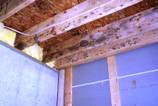
VP: The most common mold testing procedures consists of collecting ambient air samples and surface samples. Air samples are typically collected from areas of concern within indoor environments and from the outdoors to establish a control baseline. The data from both sets are compared to each other, which include the total concentration as well as an analysis of the biodiversity of the various mold types.
Indoor levels that are remarkably higher and/or significantly different in fungal biodiversity can suggest the abnormal presence of mold. Surface samples are also commonly taken when there is visual evidence of suspect fungal growth to confirm the presence and type of fungal presence. This information can be useful because certain specific molds can offer varying significances, such as the presence of Stachybotrys typically suggests the presence of prolonged moisture exposure to the substrate that was tested.
Ultimately, data gathered from air and surface samples is only a slice of the overall assessment pie. There is no replacement for an experienced physical inspection, including but not limited to gathering sound background information, performing a through visual inspection and conducting a detailed moisture survey.
R&R: Assuming mold is detected, what's the next step?
VP: When a mold problem is identified, it’s time for the decision making process. It is important that a concise remediation plan or scope of work has been prepared to mitigate the mold problem, but most importantly to establish a clear path towards resolution.
To achieve the best outcome, a certified and experienced mold remediation professional should be retained to carry out the remediation plan. Following the completion of the mold remediation and before new building materials are installed, it is always wise to hire a third party mold consultant and testing company to conduct a post remediation verification inspection. This not only provides closure, but it documents the success of eradicating the identified mold problem which potentially minimizes the amount of liability the building owner bears during any future disclosures.
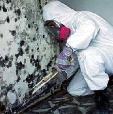
VP: The subject of associated health effects of mold exposure can be one of the most debated areas in the mold industry. This is because each human individual has a different response to different mold types and/or concentrations. This is a primary reason why governmental bodies have not been able to publish or establish exposure guidelines or standards.
With that being said, there have been numerous scientific studies that have been published by well-recognized organizations that document the occurrence of adverse health effects when exposed to damp indoor environments and significant levels of mold. Some of the most common symptoms associated with mold exposure are headaches, fatigue, and allergy-like general upper respiratory problems such as itchy throat, coughing, sneezing, and difficulty breathing.
R&R: Can the age of mold be determined?
VP: There are no practical or standardized tests or laboratory methods that can be performed to definitively ascertain the age of any particular molds. However, it is not uncommon for an experienced mold consultant to provide a sound professional opinion that is based upon a thorough investigation consisting of field sampling and identification of the type of mold and evaluating the surrounding damage to the associated building materials.


Report Abusive Comment